
Affiliate Disclosure: Some links on this page are affiliate links. If you purchase an item through one of our affiliate links, LXURI may earn a commission at no additional cost to you. Our partnerships may influence which products or brands we feature, but they do not determine our editorial opinions or recommendations.
Discover How to Choose a Luxury Handbag That Lasts
A beautifully made handbag can become one of the most useful pieces in your wardrobe. However, an impressive designer label or high price does not always guarantee lasting quality. The best bags combine durable materials, careful construction, practical design and a style you will enjoy carrying for years.
Our luxury handbag buying guide explores what matters before making a significant purchase. From leather and hardware to proportions and cost per wear, understanding these details can help you distinguish a lasting wardrobe investment from a passing trend.
We also explore luxury handbags from four LXURI partners: Mytheresa, Métier, Alexis Bittar and Aspinal of London. Each offers a different approach to design, making it possible to find a bag that reflects your personal style and everyday needs.
- What Makes a Luxury Handbag Worth Buying?
- Métier: Understated Luxury
- Understanding Leather Quality in Luxury Handbags
- How to Evaluate Handbag Construction and Craftsmanship
- Hardware: Small Details That Make a Big Difference
- Mytheresa: Fashion-Led Luxury
- Choosing the Right Handbag Size and Silhouette
- Cost Per Wear: Understanding Long-Term Value
- Timeless Design Versus Fashion Trends
- Comparing LXURI’s Luxury Handbag Partners
- Alexis Bittar: Sculptural Design
- Caring for a Luxury Handbag So It Lasts
- Practical Questions to Ask Before Buying
- The LXURI Luxury Handbag Buying Checklist
- Our Editorial Methodology
- Aspinal of London: Classic Leather Goods
- Final Thoughts: Choosing a Luxury Handbag That Lasts
- Related Resources
What Makes a Luxury Handbag Worth Buying?
The first decision is not which designer to choose. Instead, consider what you need the handbag to accomplish.
A handbag intended for daily use requires different qualities from an evening clutch or an occasional statement piece. Likewise, a bag that looks beautiful on a shelf may prove uncomfortable or impractical once you begin carrying it.
Before shopping, ask yourself:
- Purpose: Will this be an everyday handbag, work bag, travel companion or special-occasion accessory?
- Frequency: How many times each week will you realistically carry it?
- Capacity: Does it need to hold a laptop, wallet, phone, cosmetics or travel essentials?
- Comfort: Do you prefer a shoulder strap, crossbody design or top handles?
- Style: Will the colour and silhouette complement your existing wardrobe?
- Longevity: Will you still appreciate the design five years from now?
A thoughtful purchase should balance appearance with function. After all, a handbag offers little long-term value if it remains unused because it feels too heavy, delicate or inconvenient.
The Difference Between Luxury and Lasting Quality
Luxury often reflects design heritage, brand recognition, exclusivity and craftsmanship. However, these qualities do not always appear together.
A beautifully finished handbag from a lesser-known leather goods specialist may offer better everyday utility than a highly recognizable designer bag.
Therefore, evaluate the product itself rather than relying entirely on the name attached to it.
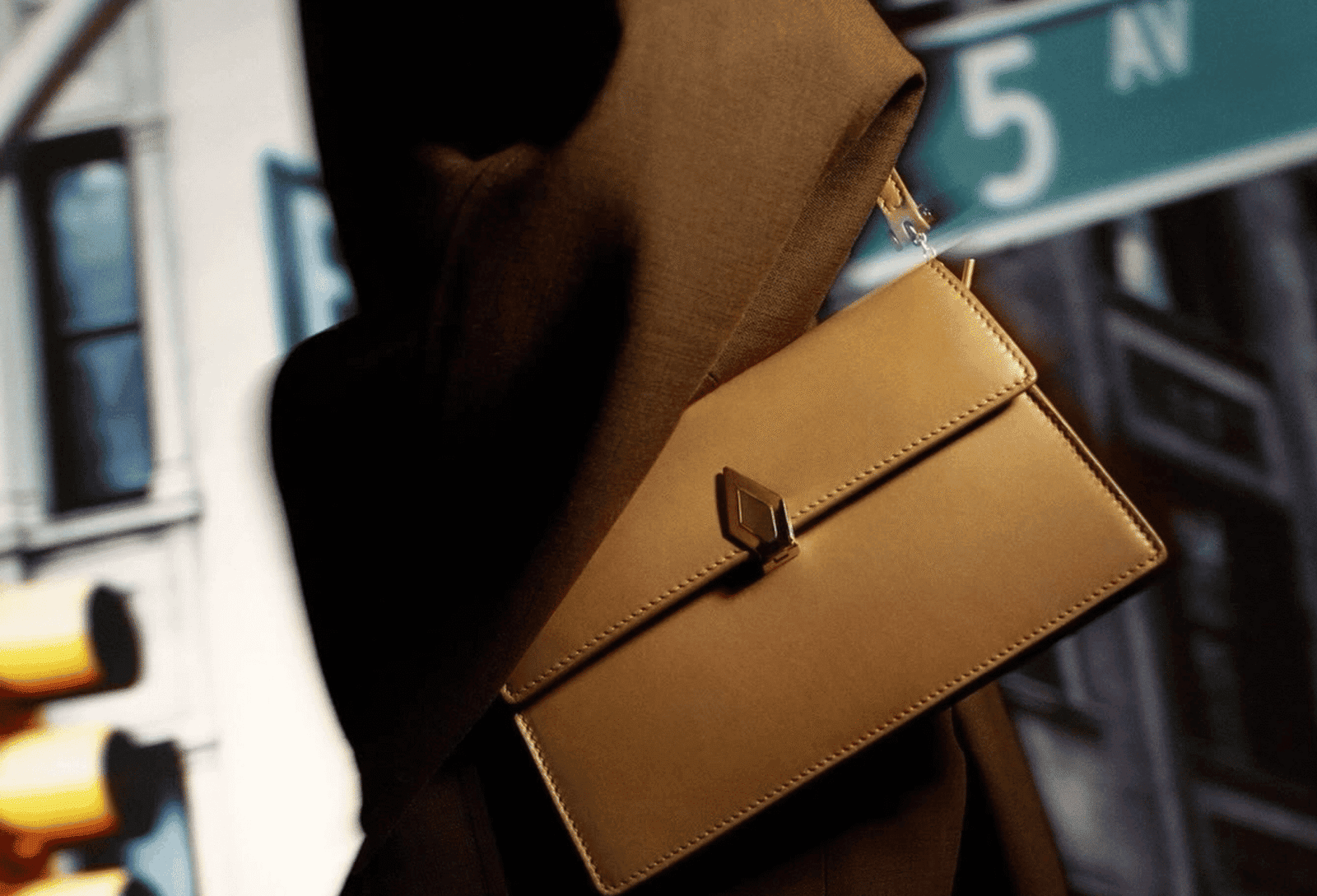
Métier: Understated Luxury
Métier appeals to buyers who appreciate refined design, discreet luxury and practical organization.
The brand emphasizes elegant silhouettes and functional details, making its handbags particularly relevant for work, travel and everyday city life.
Rather than relying on prominent logos, Métier focuses on materials, proportions and utility.
Best for: Professionals, frequent travellers and buyers seeking understated luxury.
What to consider: Specialized compartments and carefully designed interiors can add functionality. However, they may also make a handbag less flexible for unusually shaped belongings.
LXURI Recommendation: Consider Métier when organization, everyday comfort and discreet design matter more than visible branding. Pay particular attention to interior layouts and strap configurations.
Understanding Leather Quality in Luxury Handbags
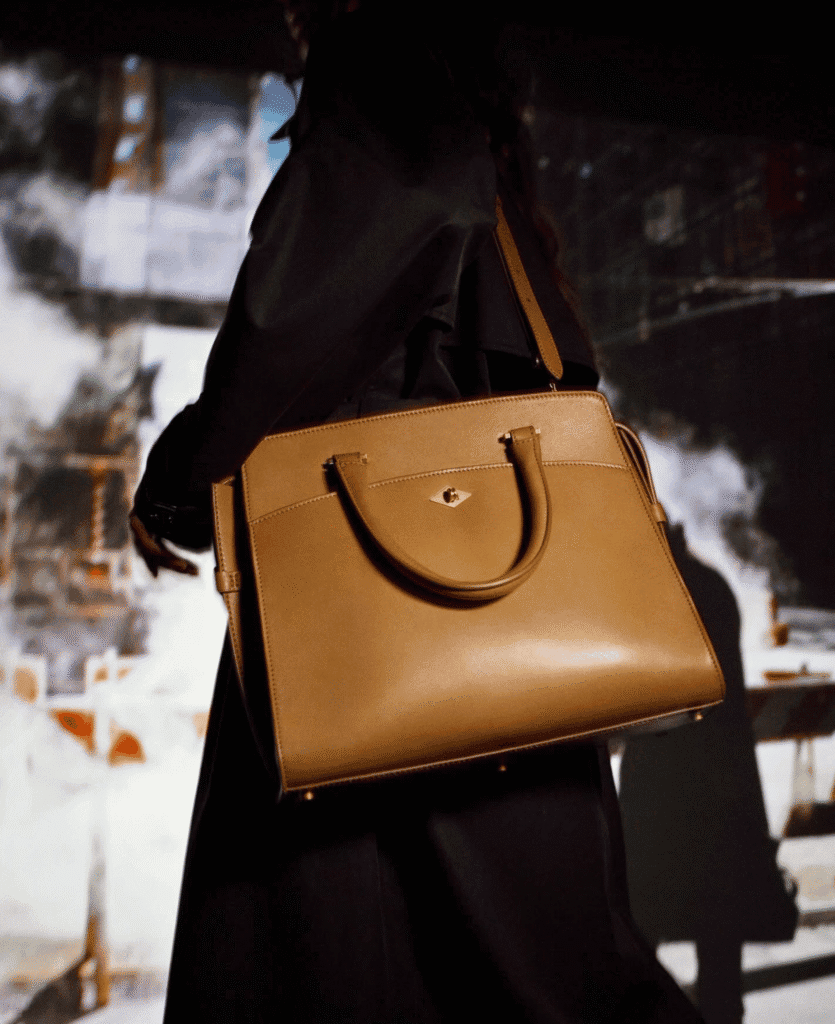
Leather is one of the most important considerations in any luxury handbag buying guide. Its texture, finish, thickness and treatment influence how a bag looks, feels and ages.
However, not all leather behaves in the same way. Some materials develop a rich patina, while others offer greater resistance to scratches and daily wear.
Full-Grain Leather: Natural Character and Longevity
Full-grain leather retains the natural grain surface of the hide. When properly selected and finished, it can offer excellent strength and durability.
Over time, some full-grain leathers develop a patina that adds depth and character.
Best for: Buyers who appreciate natural leather, subtle variations and graceful ageing.
Considerations: Certain finishes can show scratches, water marks and changes in colour. Therefore, full-grain leather is not automatically maintenance-free.
Top-Grain Leather: A Refined, Consistent Finish
Top-grain leather generally undergoes surface refinement to create a more uniform appearance.
Its performance depends on the hide, finishing process and coating. As a result, high-quality top-grain leather can make an excellent handbag material.
Best for: Buyers who prefer a polished appearance and consistent texture.
Considerations: Heavily coated finishes may eventually crack or peel, depending on their quality and use.
Pebbled Leather: Practical Everyday Texture
Pebbled leather features a textured surface that can help disguise minor scratches and signs of handling.
This makes it particularly appealing for everyday handbags, especially in medium and dark colours.
Best for: Commuters, frequent travellers and anyone seeking a practical daily bag.
Considerations: Pebbled texture alone does not guarantee superior leather quality. Some textures are embossed, while others occur naturally.
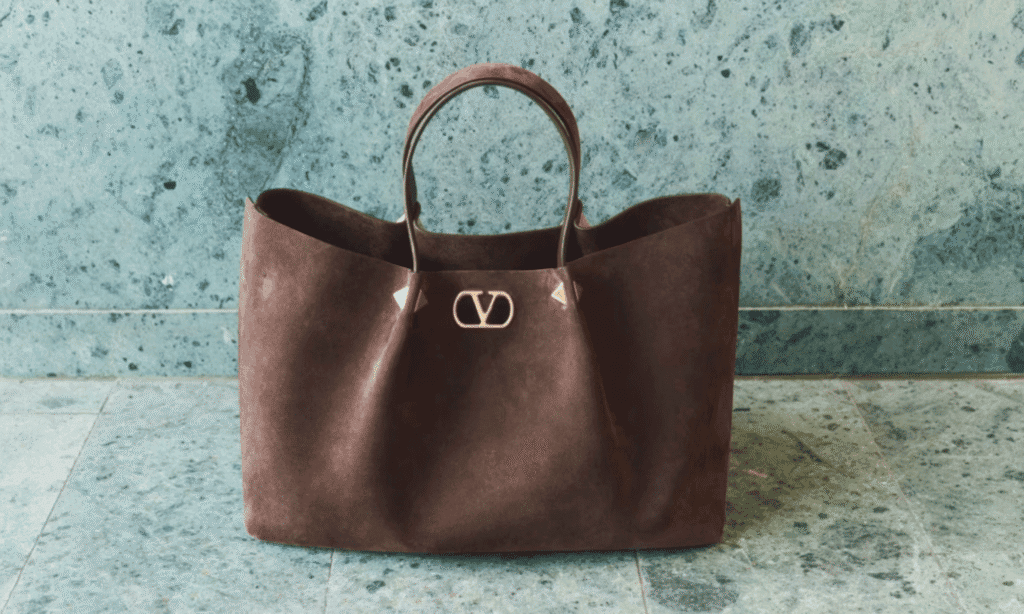
Suede and Nubuck: Softness With Additional Care
Suede and nubuck offer a rich, tactile finish. They can make a handbag feel especially luxurious.
However, these materials usually require more careful handling around moisture, oils and stains.
Best for: Occasional-use handbags and buyers who enjoy maintaining delicate accessories.
Considerations: Light colours and exposed surfaces may show wear more quickly.
Leather Comparison: Which Material Suits Your Lifestyle?
| Leather Type | Main Advantage | Main Limitation | Best Use |
|---|---|---|---|
| Full-grain | Natural character and ageing potential | May show marks | Long-term everyday or heritage styles |
| Top-grain | Refined, consistent appearance | Finish quality varies | Structured handbags |
| Pebbled | Helps conceal minor scratches | Texture does not prove quality | Daily use and travel |
| Smooth calfskin | Elegant, polished appearance | May reveal scratches | Work and refined everyday wear |
| Suede or nubuck | Soft, luxurious texture | More vulnerable to stains | Occasional use |
| Coated leather | Often easier to wipe clean | Coatings can deteriorate | Practical everyday styles |
LXURI Buying Advice: For a frequently used handbag, consider quality pebbled leather or a durable, well-finished calfskin. For occasional use, softer or more delicate materials may be equally appealing.
Luxury Handbag Buying Guide
A luxury handbag should combine exceptional materials, thoughtful design and lasting versatility. Our buying guide explores leather quality, construction, hardware, size and cost per wear, helping you choose a beautiful bag that suits your lifestyle for years to come.
How to Evaluate Handbag Construction and Craftsmanship
Beautiful leather is only one part of a lasting handbag. Construction determines whether the bag can withstand years of opening, closing, carrying and regular handling.
Our luxury handbag buying guide recommends examining five details before purchasing.
Stitching and Seams
Look for even stitching, consistent spacing and secure seams.
Pay particular attention to handles, strap attachments, corners and areas that carry weight. These sections experience repeated stress.
Loose threads, uneven tension or visible gaps may indicate weaknesses.
Edge Finishing
Many leather handbags feature painted or sealed edges.
High-quality edge finishing should look smooth and consistent, without obvious cracks, bubbles or peeling.
However, edge paint can wear over time, especially around handles and corners. Ask whether the manufacturer offers refinishing or repair services.
Handles and Strap Attachments
Handles should feel secure when you lift the bag.
In addition, examine the points where shoulder straps connect to the body. Reinforced stitching, well-secured hardware and thoughtful construction can help prevent premature damage.
A removable strap adds versatility, although its clips and attachment points must also withstand regular use.
Lining and Interior Construction
A handbag’s interior deserves as much attention as its exterior.
Look for secure lining, well-finished pockets and compartments that suit your belongings.
Leather and durable textile linings can both work well. However, thin fabrics, weak pocket seams and poorly attached linings may wear quickly.
Structure and Shape Retention
A structured handbag should maintain its intended shape when lightly loaded.
Meanwhile, a softer bag should drape naturally without placing excessive strain on its seams.
Neither construction style is inherently better. Instead, consider how the bag will perform during regular use.
Hardware: Small Details That Make a Big Difference
Hardware influences both the appearance and durability of a handbag.
Clasps, zippers, buckles, feet and strap attachments face frequent handling. Therefore, their construction deserves careful attention.
What to Look for in Quality Hardware
Good hardware should feel secure and operate smoothly.
When examining a handbag, consider:
- Zippers: They should move easily without catching or separating.
- Clasps: Closures should align correctly and fasten securely.
- Buckles: Adjustments should remain in place during use.
- Strap clips: Connections should feel sturdy and appropriately sized.
- Metal finishes: Surfaces should appear consistent, without obvious defects.
Solid brass and well-made metal alloys can offer good durability. However, plating quality and construction matter more than weight alone.
Gold, Silver or Statement Hardware?
Classic gold- and silver-tone hardware can work with many wardrobes.
However, sculptural hardware adds personality and can transform a simple silhouette into a statement accessory.
For example, Alexis Bittar incorporates jewellery-inspired design into its handbags, making hardware an important part of the overall aesthetic.
The trade-off is straightforward: distinctive hardware creates visual impact, while simpler details may feel more versatile over time.
LXURI Buying Advice: Choose hardware that complements the jewellery and accessories you already wear. This can make the handbag easier to style throughout the year.
Mytheresa: Fashion-Led Luxury
Mytheresa offers a broad selection of luxury handbags from established fashion houses and contemporary designers.
Its assortment makes it particularly useful for comparing different silhouettes, materials and design approaches.
From structured top-handle bags to everyday shoulder styles and evening accessories, Mytheresa offers choices across many wardrobe needs.
Best for: Buyers who want to compare designer brands, explore seasonal collections or find a recognizable fashion-house handbag.
What to consider: Designer pricing may reflect brand positioning and demand as well as materials and construction. Therefore, compare individual products rather than assuming every handbag offers the same level of durability.
LXURI Recommendation: Start with classic leather shoulder bags, structured totes and versatile crossbody styles. Then compare dimensions, leather finishes and practical details before selecting a designer.
Choosing the Right Handbag Size and Silhouette
One of the most common purchasing mistakes involves choosing a handbag for its appearance without considering its dimensions.
A bag may look perfectly proportioned in a photograph but feel too small, large or heavy in everyday life.
Small Handbags: Elegant and Minimal
Small shoulder bags, crossbody bags and compact top-handle styles work well when you carry only essentials.
They can also transition easily from daytime activities to evening occasions.
Best for: Dining, social events, weekends and minimalist wardrobes.
Limitations: Restricted capacity and limited room for larger wallets, sunglasses or travel accessories.
Medium Handbags: Everyday Versatility
A medium handbag often provides the best balance between capacity and comfort.
It should accommodate daily essentials without becoming cumbersome.
Best for: Everyday errands, lunches, shopping and regular city use.
Limitations: Some structured designs may offer less usable interior space than their exterior dimensions suggest.
Large Handbags and Totes: Work and Travel
Large handbags offer room for documents, tablets, laptops and additional belongings.
However, size introduces another consideration: weight.
A large leather tote can become uncomfortable when fully packed. Therefore, examine its empty weight and strap design before purchasing.
Best for: Work, commuting, business travel and busy schedules.
Limitations: Additional weight, greater exposure to surface wear and the temptation to overpack.
Handbag Size Comparison
| Size | Typical Width* | Best For | Main Trade-Off |
|---|---|---|---|
| Mini | Under 20 cm | Evening and essentials | Limited storage |
| Small | 20–25 cm | Weekends and dining | May not fit larger items |
| Medium | 26–35 cm | Everyday use | Capacity varies by shape |
| Large | 36–42 cm | Work and commuting | Greater weight |
| Oversized | Over 42 cm | Travel and carrying extras | Can feel bulky |
These are approximate editorial size categories, not universal industry standards. Always check each handbag’s actual measurements.
The Five-Minute Fit Test
Before purchasing, compare the bag’s dimensions with the items you carry most often.
Measure your largest essential item first. Then check the opening width, interior depth and usable capacity.
If possible, try the handbag with your usual belongings inside. Walk around, adjust the strap and test the closure.
A comfortable fit matters just as much as a beautiful silhouette.
Cost Per Wear: Understanding Long-Term Value
A luxury handbag represents a significant purchase. However, its true value depends partly on how often you use it.
Cost per wear offers a simple way to compare purchases over time.
Cost Per Wear = Purchase Price ÷ Number of Times Worn
Consider three hypothetical handbags:
| Handbag | Purchase Price | Annual Uses | Years Used | Cost Per Wear |
|---|---|---|---|---|
| Everyday leather tote | $1,200 | 150 | 5 | $1.60 |
| Designer shoulder bag | $2,400 | 100 | 8 | $3.00 |
| Statement evening bag | $900 | 12 | 5 | $15.00 |
Illustrative figures in USD. These examples exclude maintenance, repairs, resale value and financing costs.
Although the everyday tote costs more than the evening bag, frequent use produces a much lower cost per wear.
However, the calculation does not mean an occasional handbag lacks value. A special piece may offer enjoyment, personal significance or styling versatility beyond its frequency of use.
Why Resale Value Should Not Determine Every Purchase
Some designer handbags retain substantial resale demand. Nevertheless, resale prices fluctuate with condition, market trends, model popularity and supply.
Selling also involves commissions and potential authentication costs.
Therefore, treat resale value as a possible benefit rather than a guaranteed financial return.
LXURI Buying Advice: Purchase a handbag because it suits your lifestyle and personal taste. Strong resale demand should be a secondary consideration.
Timeless Design Versus Fashion Trends
A lasting handbag should feel relevant to your wardrobe long after its purchase.
However, timeless design does not necessarily mean plain or conservative.
Instead, it reflects a combination of balanced proportions, thoughtful details and personal style.
Features That Support Long-Term Versatility
Consider handbags with:
- Clean, well-proportioned silhouettes.
- Colours that complement your existing wardrobe.
- Practical handles or adjustable straps.
- Hardware that suits your jewellery preferences.
- Interiors designed for your daily essentials.
- Materials appropriate for your lifestyle.
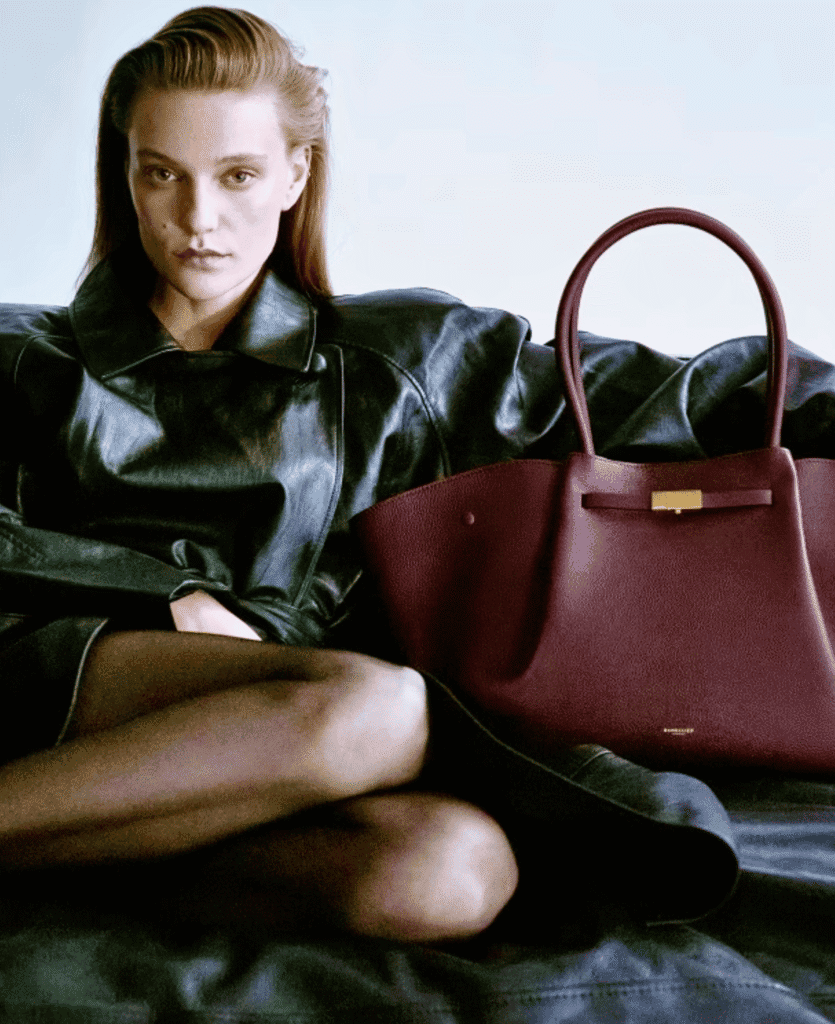
Black, chocolate brown, tan, navy and burgundy can offer excellent versatility. However, a distinctive colour may be equally practical if it works with your wardrobe.
When a Statement Handbag Makes Sense
Not every handbag needs to be understated.
A sculptural clutch, metallic finish or unusual silhouette can become a lasting personal signature.
The key is choosing a design you genuinely appreciate rather than purchasing it solely because it is fashionable.
For buyers with an established collection of everyday bags, a statement piece may provide more enjoyment than another neutral handbag.
Comparing LXURI’s Luxury Handbag Partners
Each partner serves a different buyer. Therefore, the best choice depends on how you plan to use your handbag.
| Partner | Design Approach | Best For | Main Consideration |
|---|---|---|---|
| Mytheresa | Multi-designer luxury fashion | Designer variety and seasonal collections | Quality varies by brand and product |
| Métier | Understated, functional luxury | Work, travel and daily organization | Check compartment flexibility |
| Alexis Bittar | Sculptural, jewellery-inspired design | Statement handbags and occasions | Shape and hardware may affect practicality |
| Aspinal of London | Classic, refined leather goods | Timeless everyday and professional style | Check weight and leather care requirements |
Which Luxury Handbag Should You Choose?
For everyday versatility: Look for a medium leather shoulder bag or crossbody style with a secure closure and durable finish.
For work and travel: Prioritize Métier’s function-led approach or compare structured designer totes at Mytheresa.
For distinctive personal style: Explore Alexis Bittar’s sculptural handbags and expressive hardware.
For classic elegance: Consider Aspinal of London’s structured leather handbags and traditional silhouettes.
For designer variety: Mytheresa offers a convenient starting point for comparing different fashion houses and handbag categories.
These recommendations reflect each partner’s general design approach. Individual product quality and suitability still require careful evaluation.
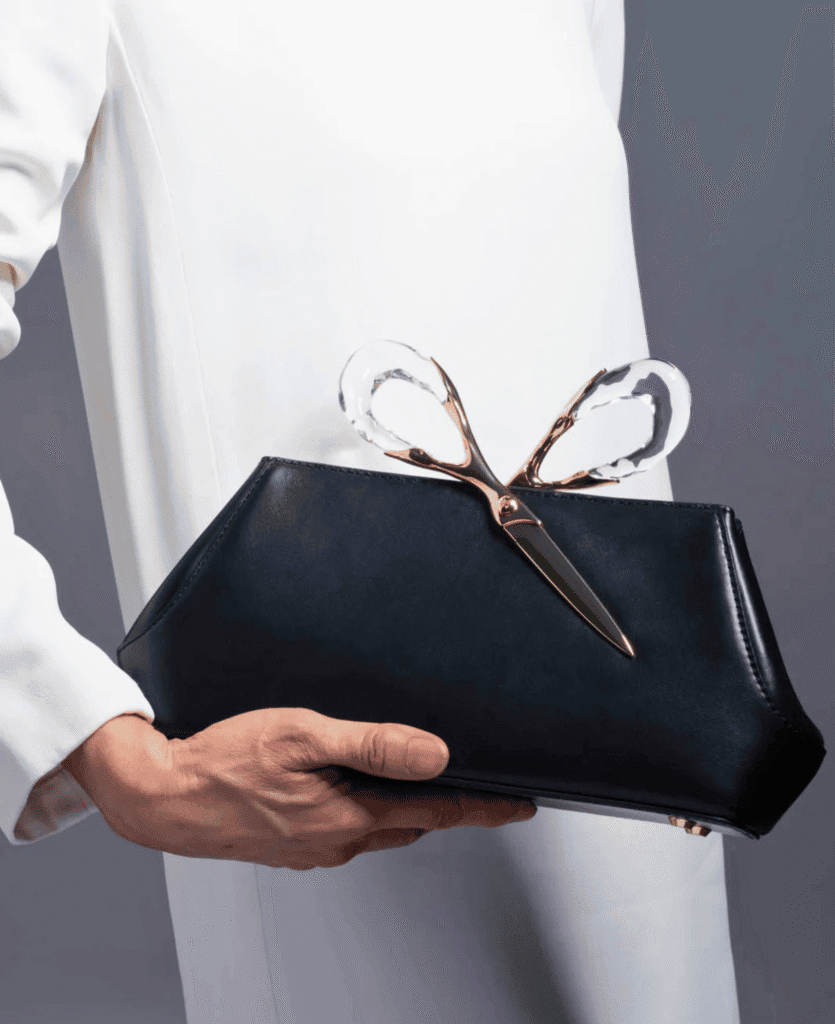
Alexis Bittar: Sculptural Design
Alexis Bittar brings a jewellery-inspired perspective to handbag design.
The brand’s distinctive aesthetic includes sculptural forms, expressive details and artistic hardware.
As a result, its handbags can function as both accessories and focal points within an outfit.
Best for: Buyers who appreciate statement accessories, distinctive design and handbags with strong visual character.
What to consider: Unusual shapes and decorative details may offer less interior capacity or require more careful handling than conventional everyday bags.
LXURI Recommendation: Explore Alexis Bittar when looking for a handbag that adds personality to a refined wardrobe. Consider how its shape and hardware will work with your clothing and jewellery.
Caring for a Luxury Handbag So It Lasts
Even the finest handbag benefits from regular maintenance.
Fortunately, a few simple habits can help preserve leather, hardware and structure.
Daily Care
After use, remove unnecessary items and gently wipe away surface dust with a suitable soft cloth.
Avoid placing handbags on rough floors or exposing them to excessive moisture.
In addition, keep pens, cosmetics and liquids inside protective pouches to reduce the risk of interior stains.
Proper Storage
Store handbags in a cool, dry location away from direct sunlight.
Use a breathable dust bag when appropriate. However, avoid tightly sealed plastic containers that may trap moisture.
Lightly support structured bags with clean, acid-free tissue paper to help maintain their shape.
Do not overstuff them, as excessive pressure can distort the leather.
Leather Conditioning and Professional Cleaning
Different leather finishes require different treatments.
Therefore, follow the manufacturer’s care instructions before applying any cleaner or conditioner.
Some finished leathers may benefit from suitable conditioning products. By contrast, suede, nubuck and delicate finishes often need specialist care.
For significant stains, damaged stitching or worn edges, consult a reputable leather goods repair specialist.
When to Repair Rather Than Replace
A well-made handbag may remain useful after replacing a zipper, repairing stitching or restoring worn edges.
However, repairs are not always economical.
Before authorizing work, compare the repair estimate with the handbag’s value, condition and expected future use.
Practical Questions to Ask Before Buying
A luxury handbag buying guide should help you evaluate more than appearance. Before completing a purchase, consider the following questions.
Is the Handbag Comfortable When Fully Loaded?
Check the empty weight, strap width and handle drop.
A handbag that feels light in a showroom may become uncomfortable once you add your belongings.
Will the Leather Suit My Lifestyle?
Smooth, delicate finishes may require more care than textured leather.
If you commute, travel or carry your handbag daily, prioritize a finish that suits frequent handling.
What Are the Return and Exchange Conditions?
Review the retailer’s current return window, product-condition requirements and exclusions.
In particular, confirm whether sale merchandise, personalized products or special orders have different terms.
Does the Brand Offer Repairs or Aftercare?
Ask whether the manufacturer provides repair services, replacement parts or leather care guidance.
Also confirm whether any warranty covers manufacturing defects, how long it lasts and what exclusions apply.
Normal wear, accidental damage and cosmetic changes may fall outside warranty coverage.
How Long Should a Luxury Handbag Last?
A carefully chosen and properly maintained leather handbag can remain useful for many years.
However, no universal lifespan applies.
Leather quality, construction, storage, frequency of use and environmental conditions all influence longevity.
A heavily used daily handbag will experience more wear than a carefully stored evening bag.
Should I Buy a Luxury Handbag Online?
Online shopping offers access to a broad selection of styles and designers.
However, photographs cannot fully communicate leather texture, weight or interior usability.
Therefore, review product measurements, material descriptions, hardware details and return conditions carefully.
When possible, compare several images and examine the bag in person before making a significant purchase.
The LXURI Luxury Handbag Buying Checklist
Before investing in a luxury handbag, use this checklist to assess its long-term suitability.
- Leather: Is the material appropriate for how often I will use the bag?
- Construction: Are the seams, handles, edges and lining carefully finished?
- Hardware: Do the zippers, clasps and attachments feel secure?
- Size: Will the handbag comfortably hold my essentials?
- Weight: Can I carry it for several hours without discomfort?
- Versatility: Will the colour and design work with my wardrobe?
- Maintenance: Am I comfortable with the required care?
- Aftercare: Are repairs, warranties and support available?
- Value: Does the expected cost per wear justify the purchase?
- Personal Appeal: Will I still enjoy carrying this handbag in five years?
If a handbag satisfies most of these considerations, it may represent a stronger long-term purchase than a more expensive alternative chosen primarily for its label.
Our Editorial Methodology
At LXURI, we believe informed purchasing decisions should begin with practical research rather than promotional claims.
This luxury handbag buying guide evaluates the factors that influence long-term handbag value, including leather characteristics, construction methods, hardware, functionality, maintenance and cost per wear.
Our partner recommendations reflect their design approaches, product categories and suitability for different purchasing needs.
This guide is based on editorial and product research, not comprehensive firsthand testing of every handbag featured. We do not claim to have independently inspected or tested all products.
LXURI may earn a commission when readers purchase through participating retail partners. However, commercial relationships do not replace our responsibility to discuss product limitations and practical considerations.
Prices, product availability, warranties, return policies and repair services can change. Readers should confirm current information directly with the retailer before purchasing.
Last Reviewed: November 11, 2026
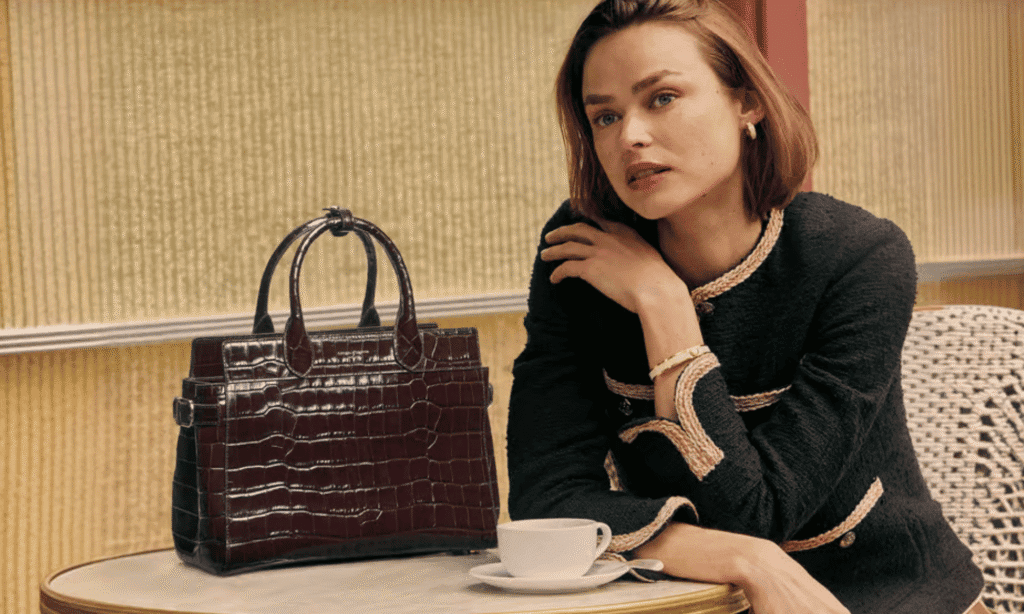
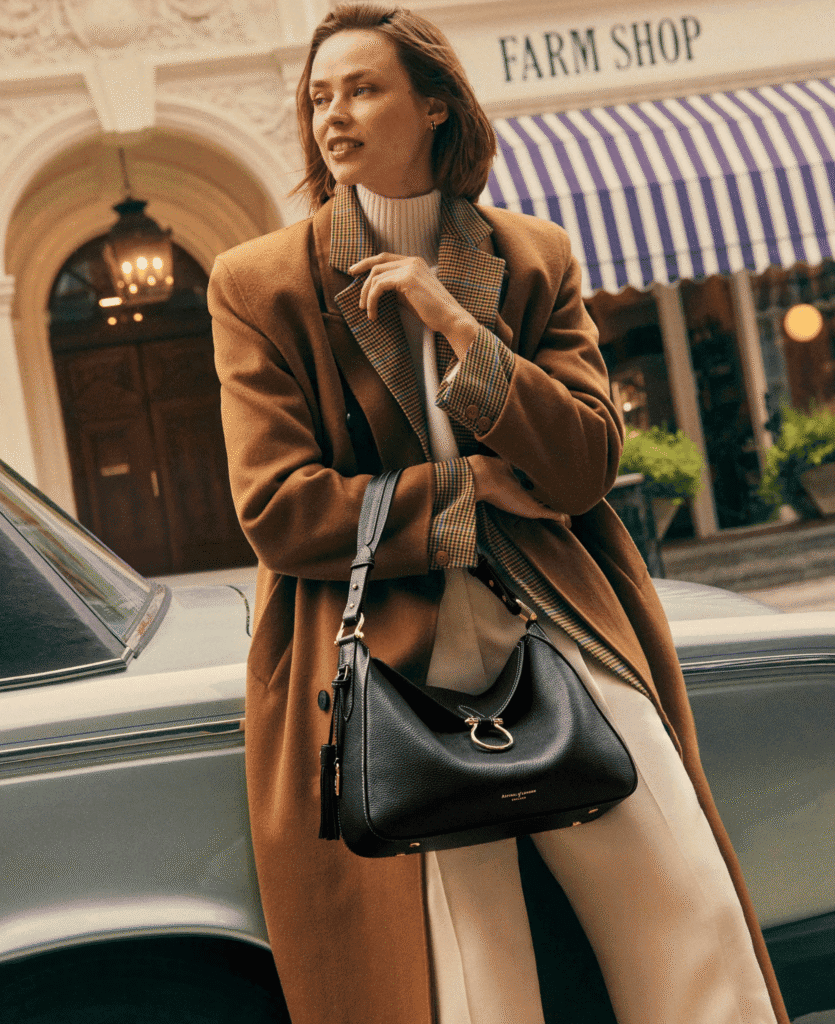
Aspinal of London: Classic Leather Goods
Aspinal of London offers leather handbags that draw on traditional British design influences.
Its collection includes structured silhouettes, polished everyday bags and elegant accessories suited to both professional and social settings.
The brand appeals to buyers who value classic styling and refined leather goods.
Best for: Buyers seeking a versatile leather handbag with traditional styling and an elegant finish.
What to consider: Structured leather handbags can feel less flexible than soft designs. In addition, smooth leather surfaces may require careful handling to preserve their appearance.
LXURI Recommendation: Consider Aspinal of London for polished work bags, structured top-handle styles and classic everyday handbags. Focus on leather finish, handle comfort and interior capacity.
Final Thoughts: Choosing a Luxury Handbag That Lasts
The best luxury handbag is not necessarily the most expensive, recognizable or fashionable.
Instead, it is the one that combines quality materials, reliable construction, practical proportions and a design that feels right for your lifestyle.
Our luxury handbag buying guide recommends beginning with purpose. Determine how often you will carry the bag, what it needs to hold and how much maintenance you are willing to provide.
Then compare leather, hardware, construction and cost per wear before considering brand recognition.
For understated function, Métier offers a compelling design approach. For classic leather accessories, Aspinal of London deserves consideration. Alexis Bittar appeals to buyers seeking artistic expression, while Mytheresa provides access to a broad selection of designer handbags.
Ultimately, a luxury handbag should do more than complete an outfit. It should become a dependable, enjoyable part of your wardrobe.
Choose thoughtfully, care for it well and invest in a handbag you will genuinely love carrying for years to come.
Related Resources
- Burgundy Is the New Neutral for Luxury Handbags
- Top Trending Luxury Designer Bags to Elevate Your Style
- The Best Raffia Bags for Summer 2026
- Alexis Bittar Handbags: Sculptural Luxury for Modern Style
- Spring 2026 Handbag Trends: The Ultimate Style Forecast
- Aspinal of London Atelier Collection: Stunning Luxury
- Fall/Winter 2025 Handbag Trends Report
Luxury Handbag Buying Guide
A luxury handbag should combine exceptional materials, thoughtful design and lasting versatility. Our buying guide explores leather quality, construction,[…]

Art Basel Miami 2026: A Brilliant Cultural Escape
Art Basel Miami Beach returns December 4–6, 2026, bringing international galleries and new artistic voices to the city. Plan[…]
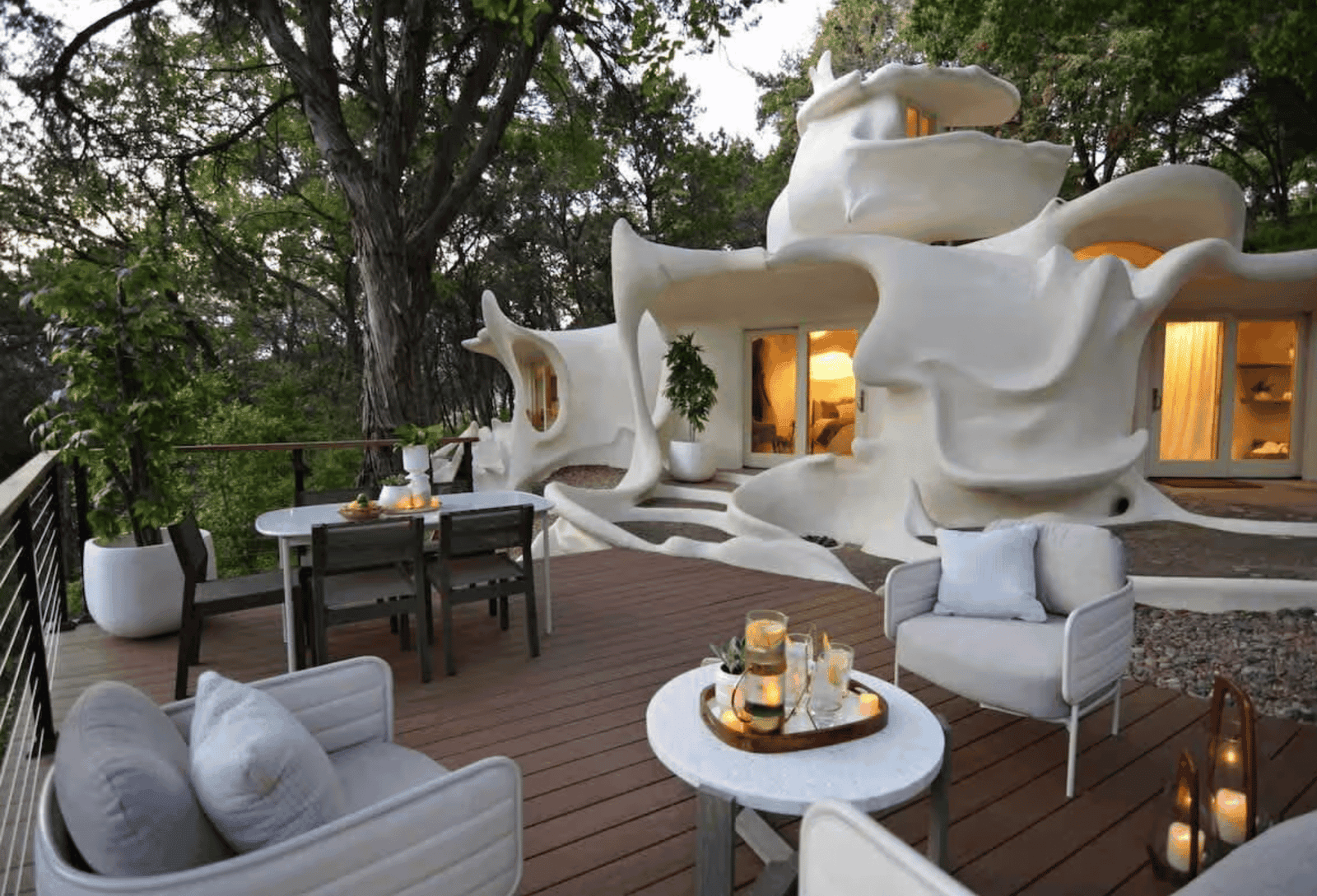
Fall 2026 Travel Trend: Fabulous Weekend Getaways
A memorable escape need not take a week. Discover four unusual Vrbo stays that put architecture, atmosphere and time[…]

NADINE MERABI Partywear: Indulge in Midnight Opulence
For nights that call for more, discover an edit of NADINE MERABI evening wear rich in velvet, lace and[…]
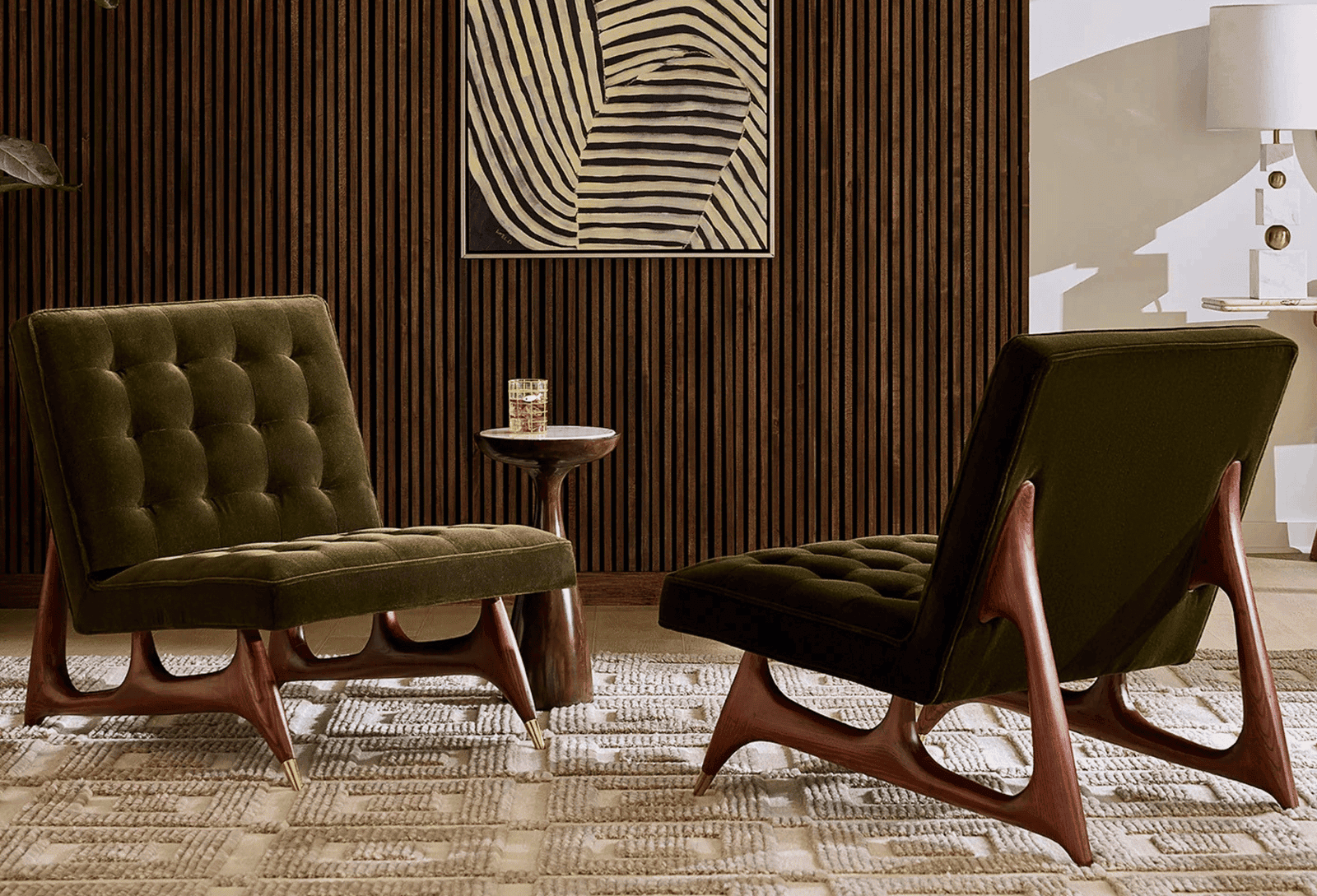
Fall Interior Design Color Trends for 2026
Fall 2026 gives neutrals more depth and jewel tones more room to play. From a cream sectional and an[…]
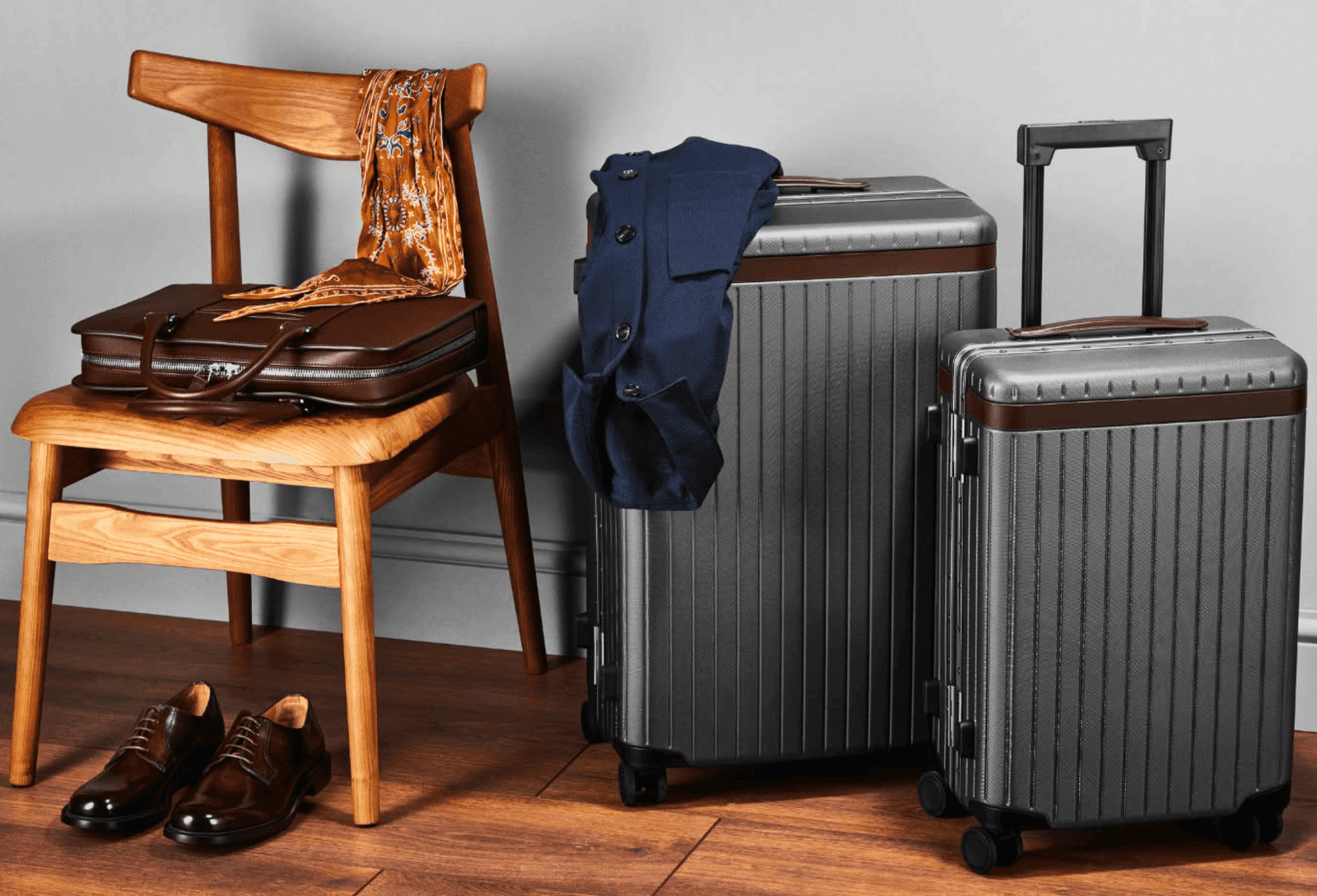
How to Choose Luggage for International Travel
The right suitcase depends on your flights, what you pack and how you get around once you land. Compare[…]