Discover the Craft of the Berkel Flywheel Meat Slicer by LXURI – Please note: Many or all of the products featured here are from our partners, who compensate us. This may influence which products we write about, as well as where and how they appear on a page. However, this does not influence our evaluations. Our opinions are our own.
Introduction
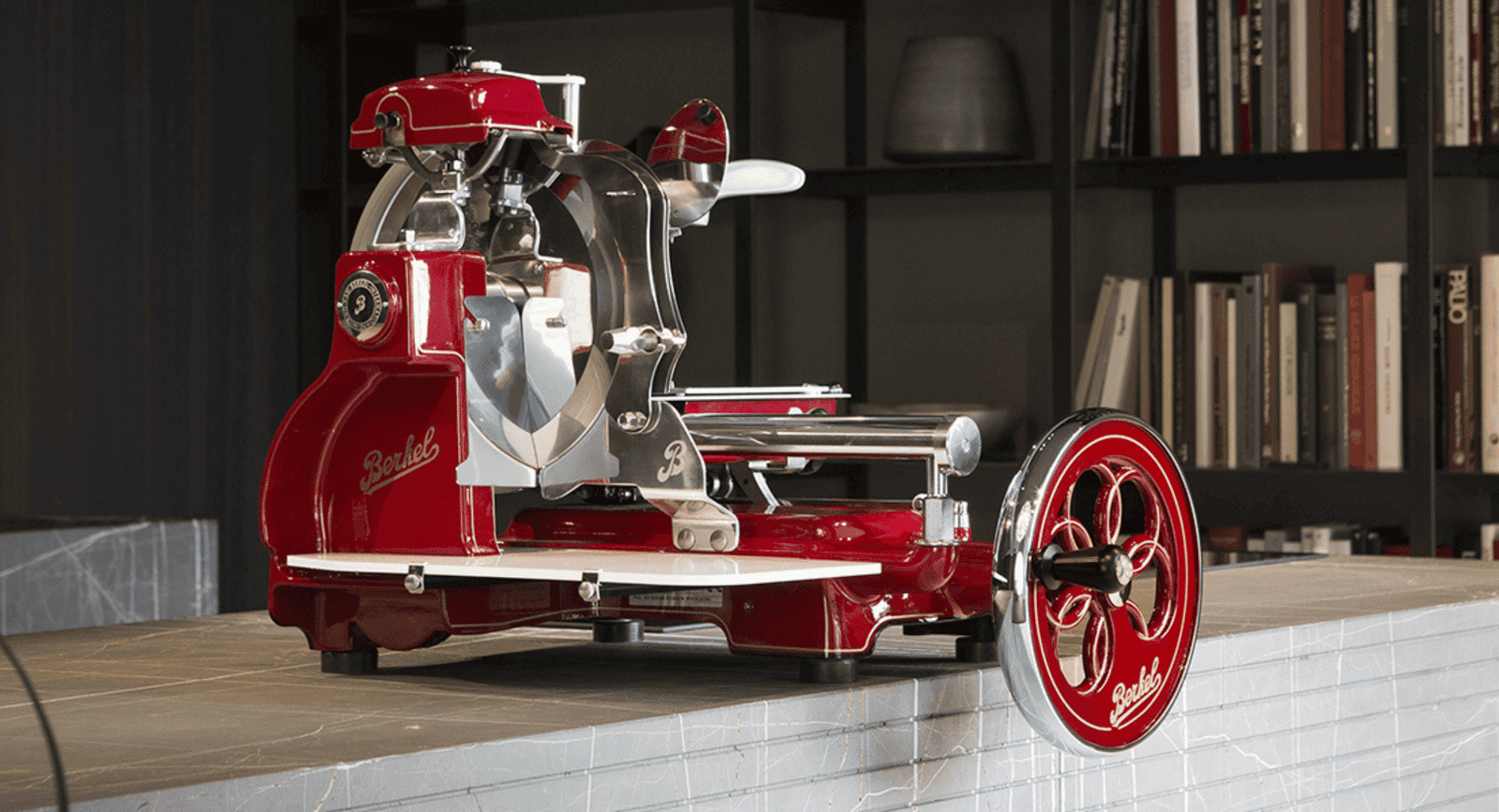
Few tools in the culinary world command as much respect and admiration as the Berkel Flywheel Meat Slicer. Since 1898, Berkel has stood at the intersection of artistry and engineering, creating manual flywheel slicers that embody heritage, precision, and unmistakable visual impact. From fine charcuterie to artisanal kitchens and design-forward homes, these iconic machines elevate slicing into a ritual—measured, intentional, and deeply satisfying.
Today, interest in the Berkel flywheel meat slicer continues to grow. As a result, chefs, collectors, and design enthusiasts are rediscovering the value of manual slicing, not only for the precision it delivers but also for the experience it creates. This guide explores everything you need to know—history, craftsmanship, performance, pros, cons, and reasons to invest—so you can decide whether this legendary slicer belongs in your kitchen. Discover more by Berkel.
The Legacy of Berkel Flywheel Slicers
Berkel’s story begins at the turn of the 20th century, when precision slicing was still a challenge for butchers and chefs. Consequently, the invention of a flywheel-powered slicer changed everything. Uniform cuts became achievable, presentation improved, and food waste decreased.
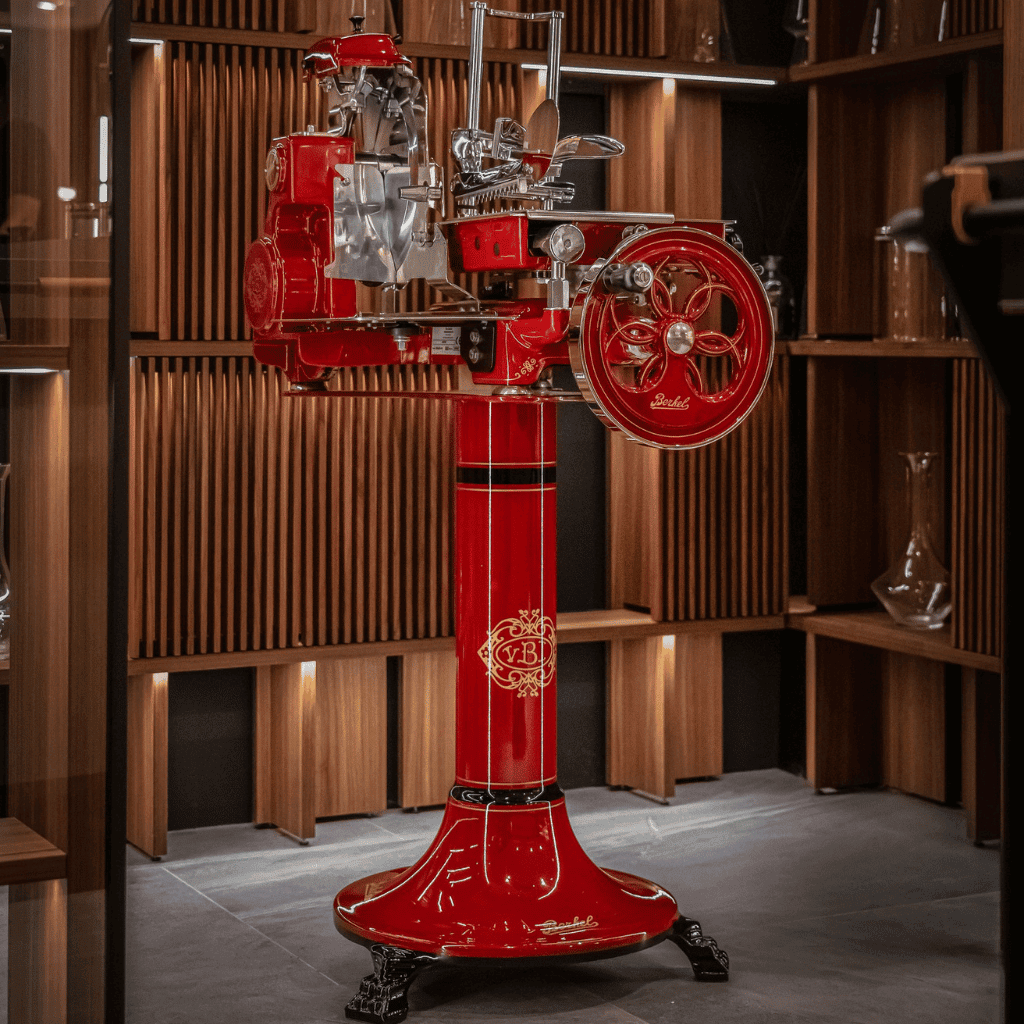
Over the decades, Berkel flywheel slicers have become symbols of European culinary tradition. Meanwhile, their unmistakable red lacquered frames, exposed mechanics, and sculptural silhouettes have earned them a place in museums, restaurants, and private collections around the world. Unlike electric slicers that prioritize speed, Berkel flywheel slicers emphasize control, craftsmanship, and visual beauty.
What Is a Berkel Flywheel Meat Slicer?
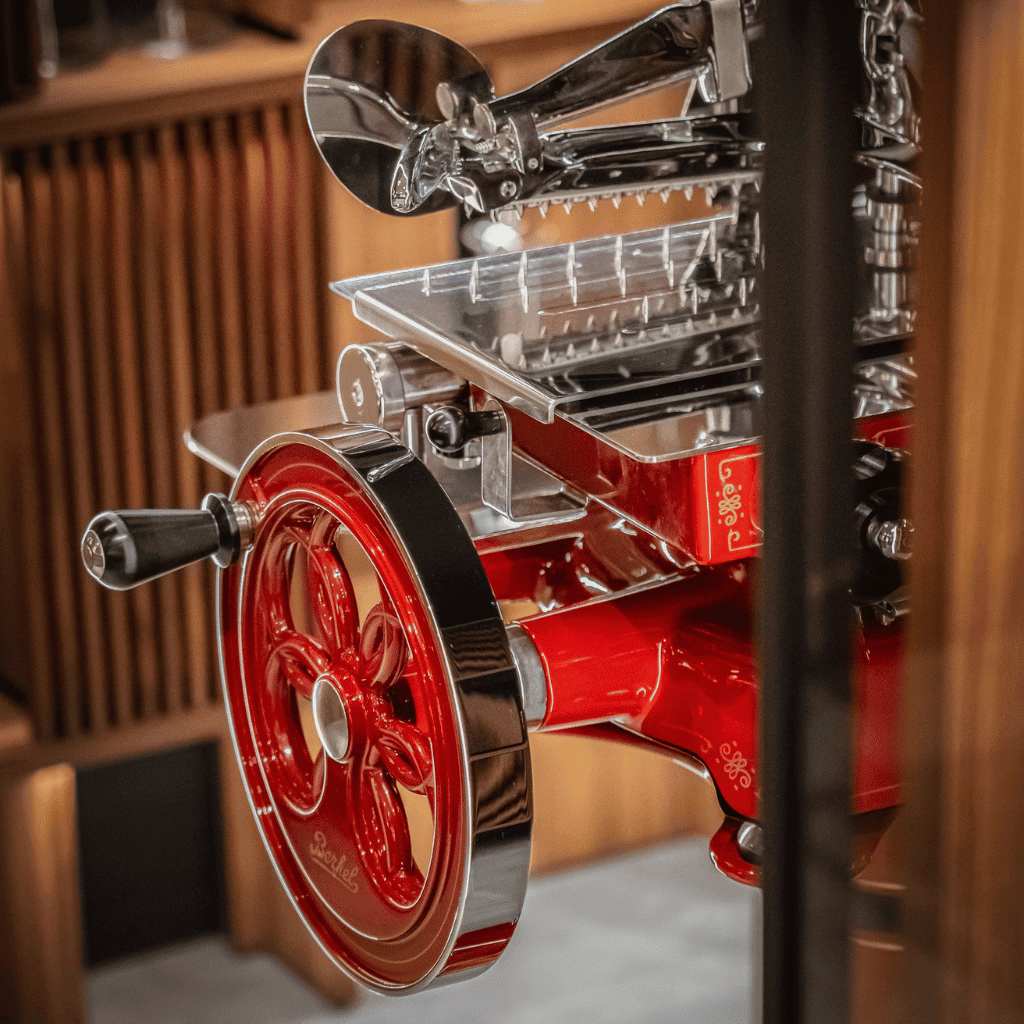
A Berkel flywheel meat slicer is a manually operated slicing machine powered by a hand-turned flywheel. Rather than relying on electricity, the slicer uses mechanical energy generated by the user to rotate a razor-sharp blade at a consistent speed.
Therefore, every slice reflects the operator’s rhythm and intention. This design allows for:
Exceptionally thin, uniform slices
Smooth blade rotation without overheating
Total control over thickness and pressure
In addition, the absence of electrical components enhances longevity and reinforces the slicer’s artisanal appeal.
Craftsmanship and Materials
One of the most compelling reasons to consider a Berkel flywheel slicer is its uncompromising construction. Each model is assembled with premium materials designed to last for generations.
Materials That Define Excellence
Cast iron and aluminum frames for stability and durability
Chromed steel blades engineered for long-lasting sharpness
Precision gears and bearings that ensure smooth operation
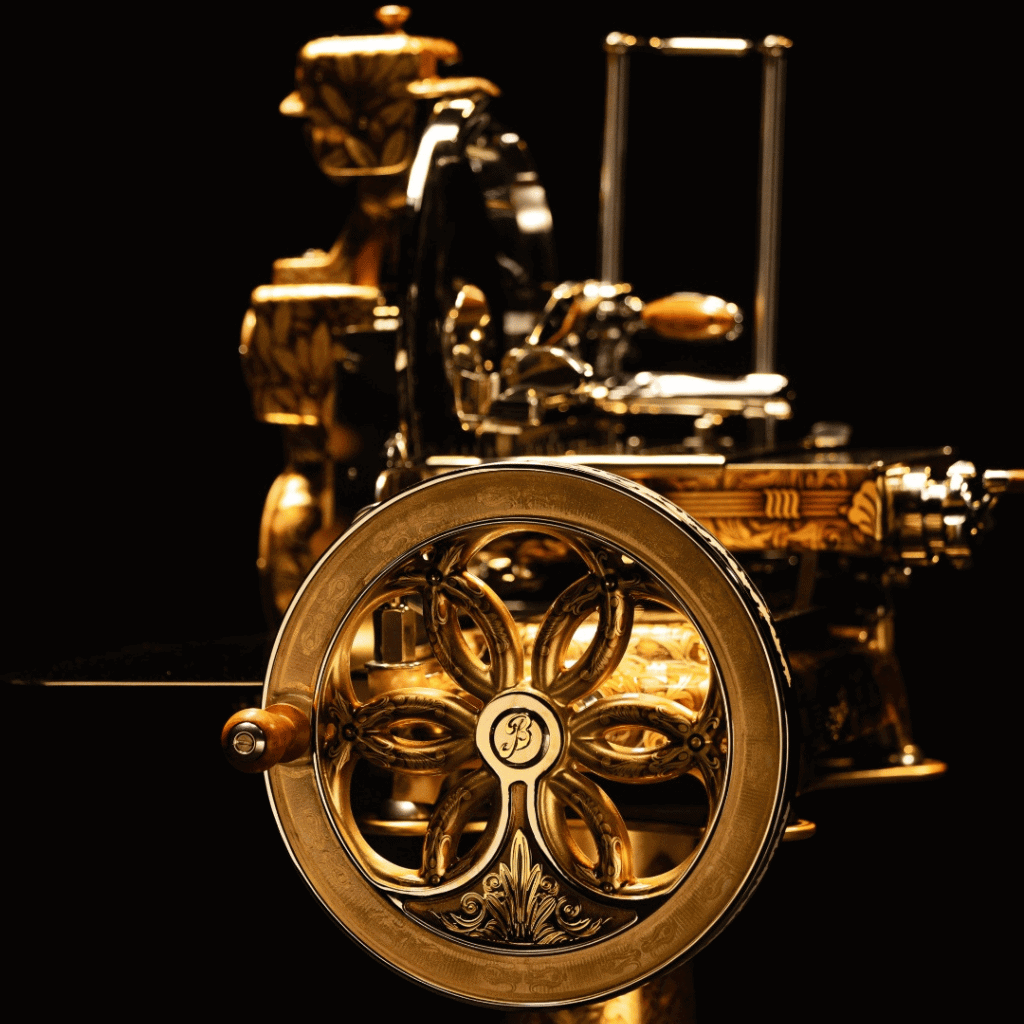
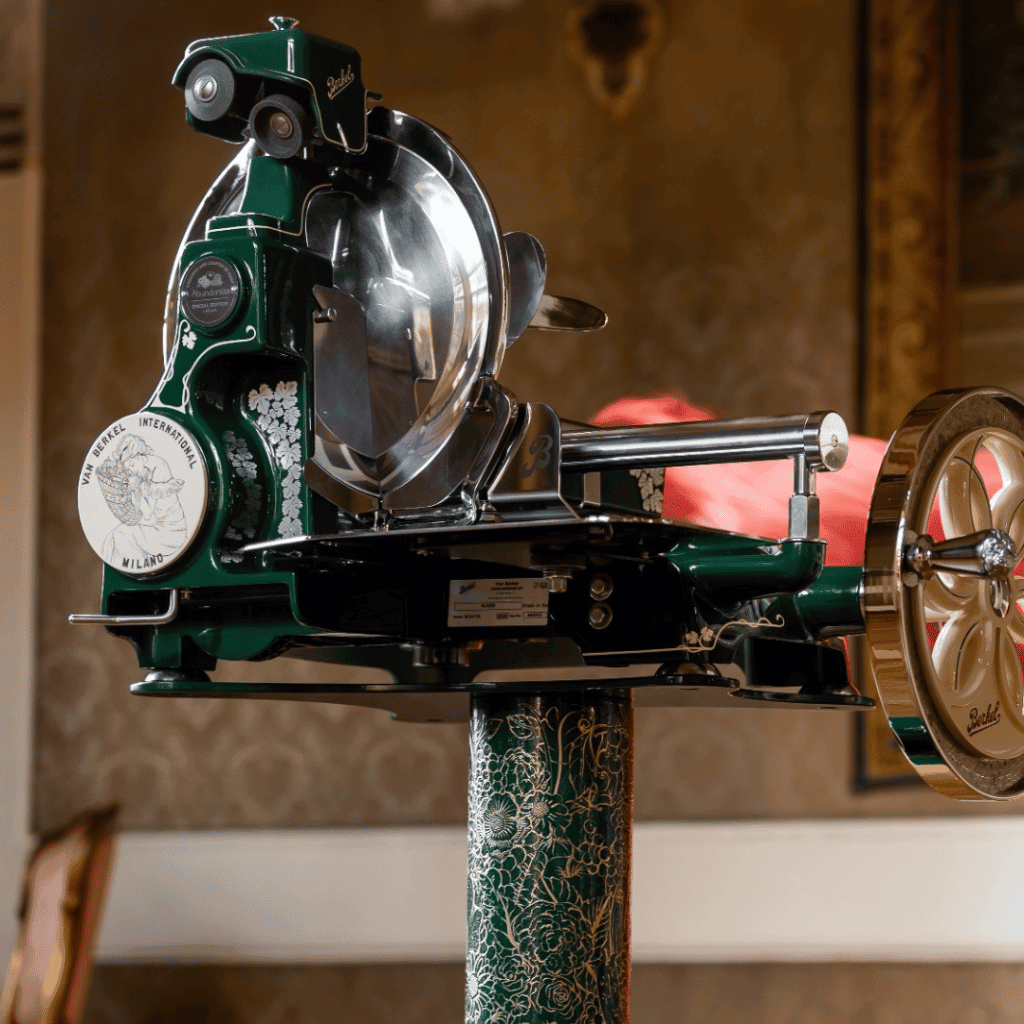
Hand-applied finishes that elevate each slicer into functional art
Moreover, these materials are selected not only for strength but also for hygiene and food safety. As a result, performance and aesthetics coexist seamlessly.
Precision Cutting Performance
While the visual appeal of a Berkel flywheel slicer is undeniable, its true magic lies in performance. Manual operation allows for unparalleled precision, particularly when slicing delicate cured meats.
Why Manual Slicing Matters
- Ultra-thin cuts preserve texture and flavor
- Controlled blade speed prevents tearing or crushing
- Consistent thickness enhances presentation
Therefore, prosciutto, bresaola, salami, and mortadella are sliced cleanly and evenly. In addition, cheeses and certain vegetables benefit from the same gentle handling.
Pros of a Berkel Flywheel Meat Slicer
Investing in a Berkel flywheel slicer comes with a host of advantages that extend beyond basic kitchen functionality.
Timeless Design and Visual Impact
- Iconic vintage aesthetic
- Serves as a statement piece in kitchens or dining spaces
- Enhances the ambiance of open-concept interiors
Unmatched Slicing Precision
- Wafer-thin, uniform cuts
- Adjustable thickness with mechanical accuracy
- Smooth, vibration-free operation
No Electricity Required
- Environmentally friendly
- Silent operation
- Ideal for spaces without easy power access
Durability and Longevity
- Built to last for decades
- Minimal electronic failure risk
- Often passed down as heirloom equipment
Culinary Experience
- Engages the user in the slicing process
- Encourages slower, more mindful food preparation
- Elevates entertaining and presentation
Cons of a Berkel Flywheel Meat Slicer
However, even legendary tools come with considerations. Understanding the limitations ensures realistic expectations.
High Initial Investment
- Significantly more expensive than electric slicers
- Premium pricing reflects craftsmanship and heritage
- Size and Weight
- Heavy construction requires dedicated space
- Not ideal for small kitchens or limited counters
Manual Operation
- Requires physical effort
- Slower than electric slicers for high-volume use
Maintenance Commitment
- Requires regular cleaning and blade care
- Occasional professional servicing may be recommended
Therefore, a Berkel flywheel slicer is best suited for enthusiasts who value ritual and quality over speed.
Reasons to Invest in a Berkel Flywheel Meat Slicer
Despite the higher cost, many buyers see a Berkel slicer as an investment rather than an appliance.
A Functional Work of Art
First and foremost, these slicers blur the line between tool and sculpture. As a result, they elevate kitchens aesthetically while remaining fully functional.
Long-Term Value
- Exceptional resale and collector interest
- Often appreciates over time
- Limited-production models increase exclusivity
Superior Culinary Results
- Enhances flavor through precision slicing
- Ideal for charcuterie boards and fine dining
- Supports authentic European food traditions
Sustainability and Longevity
- No reliance on electricity
- Reduced need for replacement
- Built with repairability in mind
Who Should Own a Berkel Flywheel Meat Slicer?
This iconic slicer is not for everyone. However, for the right owner, it becomes indispensable.
Ideal For
- Culinary professionals and chefs
- Serious home cooks and food enthusiasts
- Design-conscious homeowners
- Collectors of vintage or luxury kitchen tools
Less Suitable For
- High-volume commercial slicing
- Small or minimalist kitchens
- Users seeking quick, push-button convenience
Berkel Flywheel Slicers in Modern Kitchens
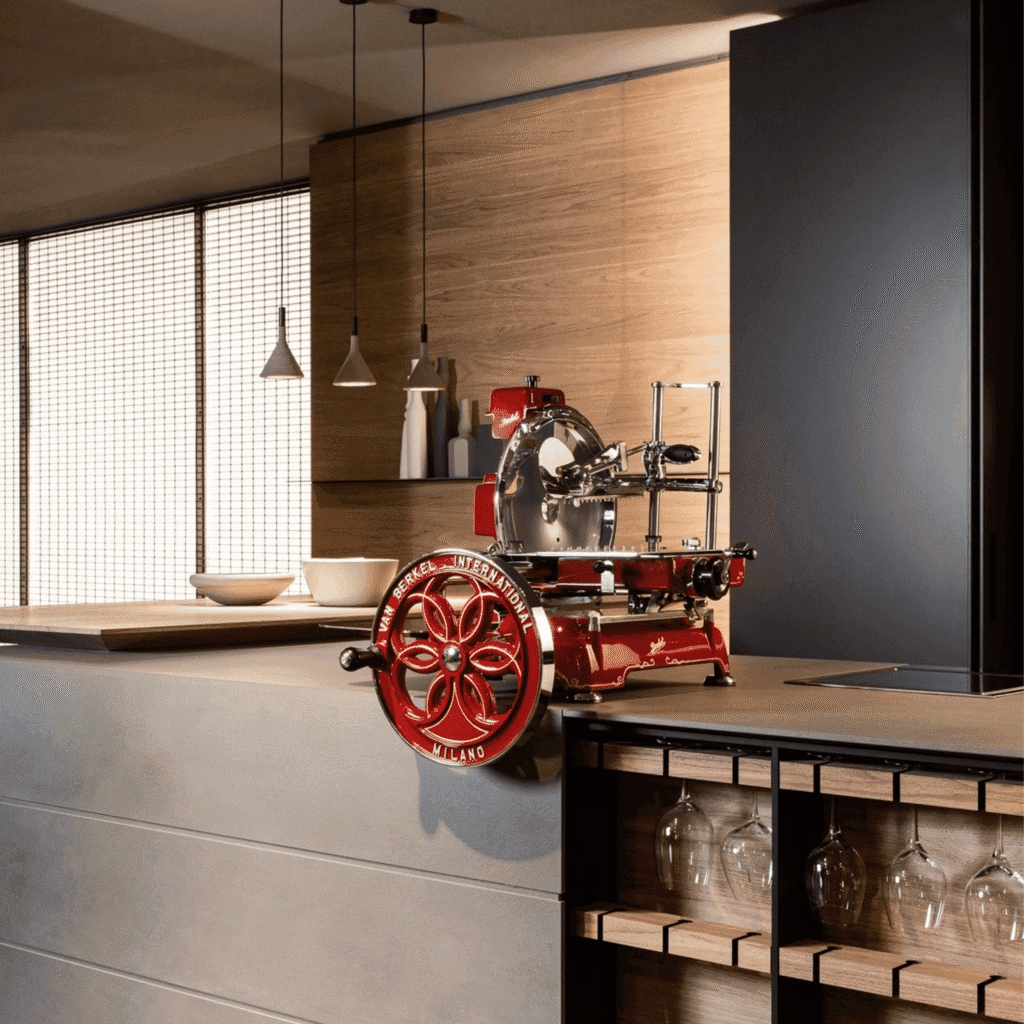
Interestingly, Berkel flywheel slicers are increasingly found in contemporary spaces. Their bold forms contrast beautifully with modern materials like marble, concrete, and stainless steel.
Meanwhile, designers often use these slicers as focal points in kitchens, wine rooms, or entertaining spaces. Therefore, the slicer becomes both a conversation starter and a functional centerpiece.
Maintenance and Care Considerations
Owning a Berkel flywheel slicer requires respect for its mechanical nature.
Best Practices
- Clean after each use with food-safe products
- Dry thoroughly to prevent corrosion
- Schedule periodic blade sharpening
- Lubricate mechanical parts as recommended
Consequently, proper care ensures decades of flawless performance.
Berkel Flywheel Slicer Models
Each slicer showcases masterful engineering, delivering wafer-thin, perfectly uniform cuts with the effortless turn of the flywheel, while standing as a timeless piece of culinary history.
The Emotional Value of Ownership
Beyond specs and features, owning a Berkel flywheel meat slicer is an emotional experience. Turning the flywheel connects you to generations of chefs and artisans who valued patience and precision.
Moreover, it transforms food preparation into a moment of appreciation rather than a task. For many owners, this emotional connection justifies the investment.
Conclusion: Is the Berkel Flywheel Meat Slicer Worth It?
Ultimately, the Berkel flywheel meat slicer is more than a kitchen appliance. It is a celebration of tradition, craftsmanship, and intentional living. While the investment is substantial, the return comes in the form of unmatched precision, timeless design, and enduring value.
If you value quality over convenience and see beauty in the details, this slicer delivers an experience few modern tools can replicate. In the world of fine cooking, the details matter—and Berkel has perfected them for over a century.