Designing the Perfect Home Office to Inspire Creativity by LXURI – Please note: Many or all of the products featured here are from our partners, who compensate us. This may influence which products we write about, as well as where and how they appear on a page. However, this does not influence our evaluations. Our opinions are our own.
Why a Well-Designed Home Office Fuels Creativity
Designing the perfect home office is no longer a luxury. Instead, it has become a necessity for creative professionals, entrepreneurs, and remote workers alike. A thoughtfully designed workspace directly impacts focus, productivity, and overall well-being. Therefore, every detail matters.
Meanwhile, creativity thrives in environments that feel intentional, comfortable, and inspiring. When colors, textures, lighting, and furniture work together, your home office becomes more than a place to work. It becomes a place to think, imagine, and create.
Throughout this guide, you will discover how to design a home office that supports both function and creative flow. Each section focuses on a specific design element while offering practical guidance and editorial inspiration.
Designing for Flow, Focus, and Flexibility
Beyond individual elements, the overall layout matters. Therefore, the home office should feel intuitive and adaptable.
Clear pathways support movement and mental clarity. Flexible furniture allows the space to evolve with changing needs. Meanwhile, thoughtful zoning separates work from rest, especially in shared rooms.
Design strategies include:
- Positioning the desk to face the room
- Creating visual separation with rugs or shelving
- Allowing space for movement and pauses
Consequently, the workspace supports sustained creativity and comfort.
Choosing the Right Colors and Textures to Stimulate Creativity
Color has a powerful psychological effect. Therefore, selecting the right palette is one of the most important steps in designing the perfect home office.
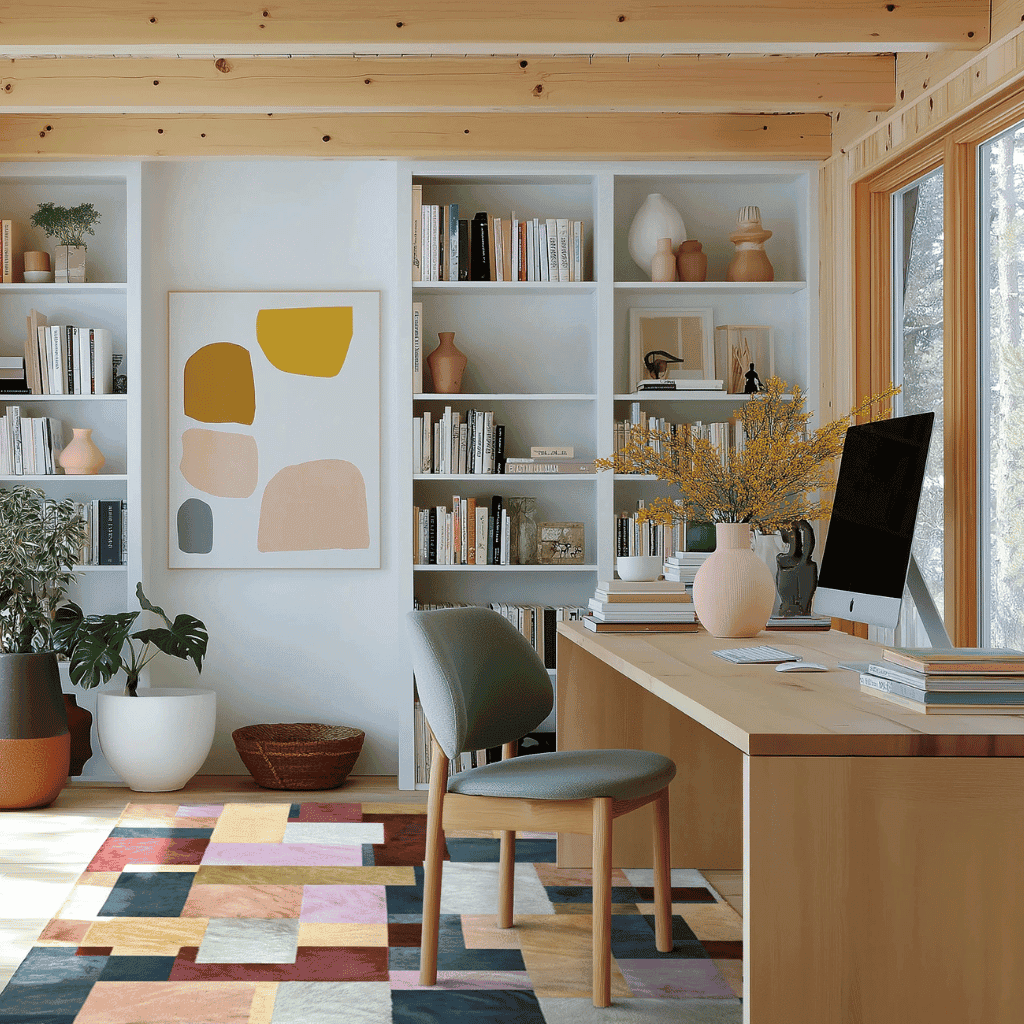
Soft neutrals such as warm whites, sand, or light taupe create a calm foundation. Meanwhile, deeper hues like navy, forest green, or charcoal add sophistication and depth. For creative stimulation, subtle accents of terracotta, ochre, or muted teal can energize the space without overwhelming it.
Textures matter just as much as color. Layering materials creates visual interest and warmth.
Consider incorporating:
- Matte painted walls to reduce glare
- Natural wood finishes for grounding
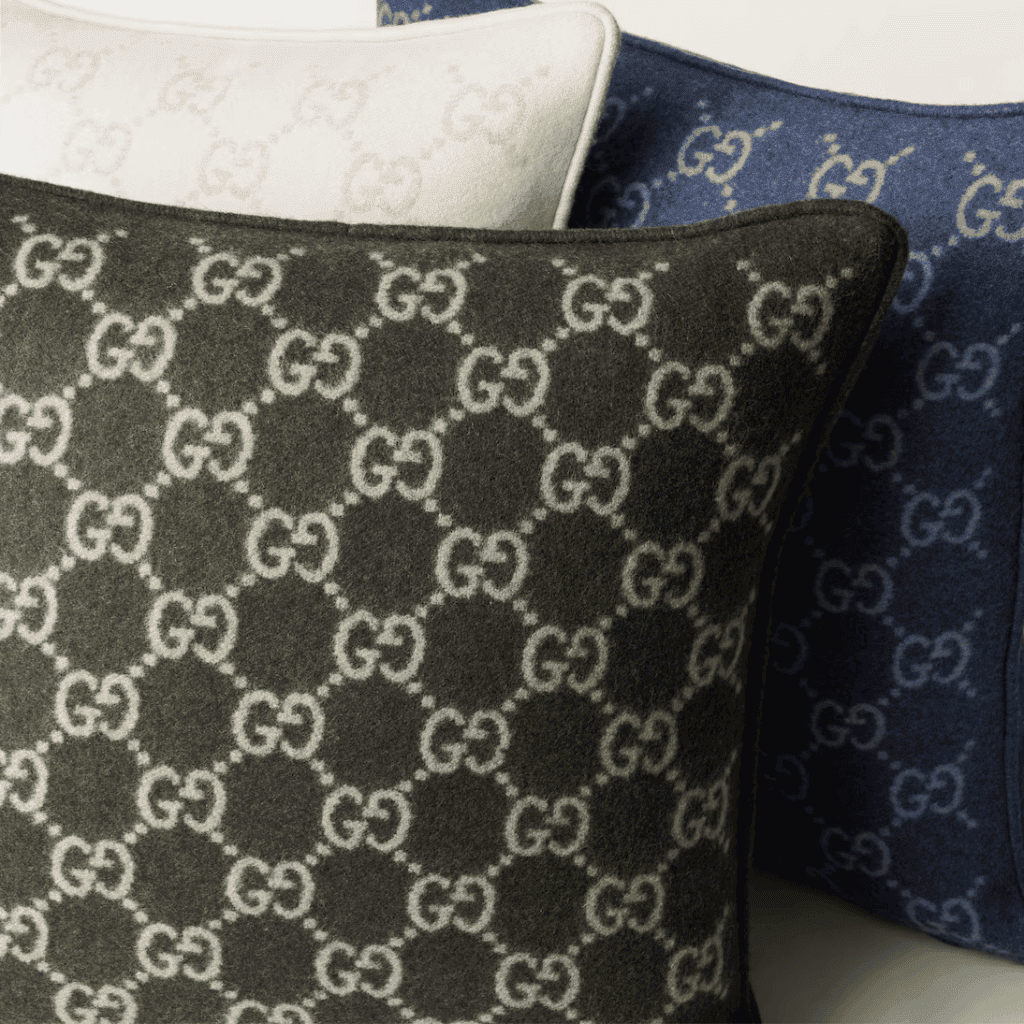
- Soft textiles such as wool, linen, or boucle
- Stone, ceramic, or plaster elements for contrast
Grounding the Space with the Right Flooring
Flooring provides both literal and visual grounding. Therefore, it should support comfort, acoustics, and style.
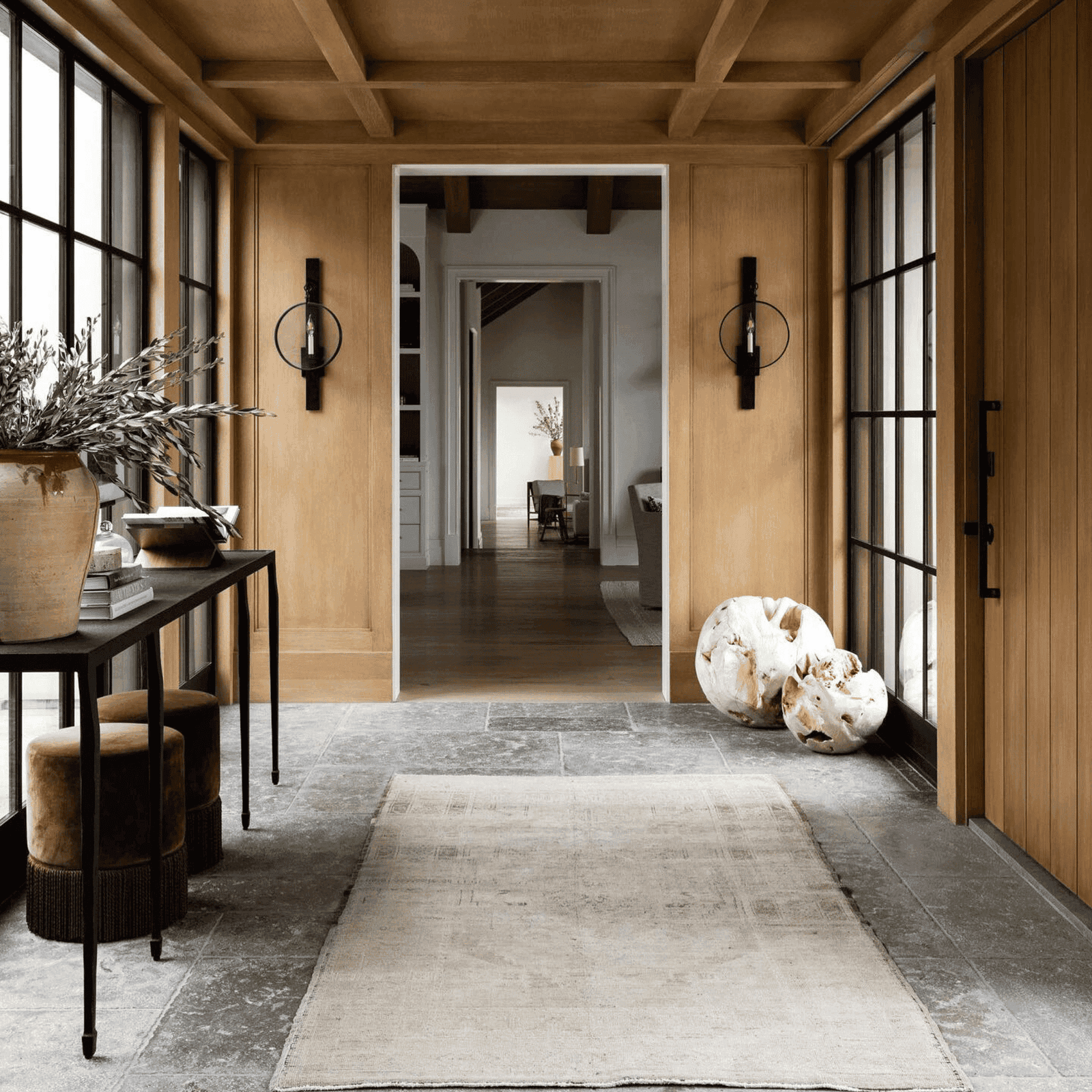
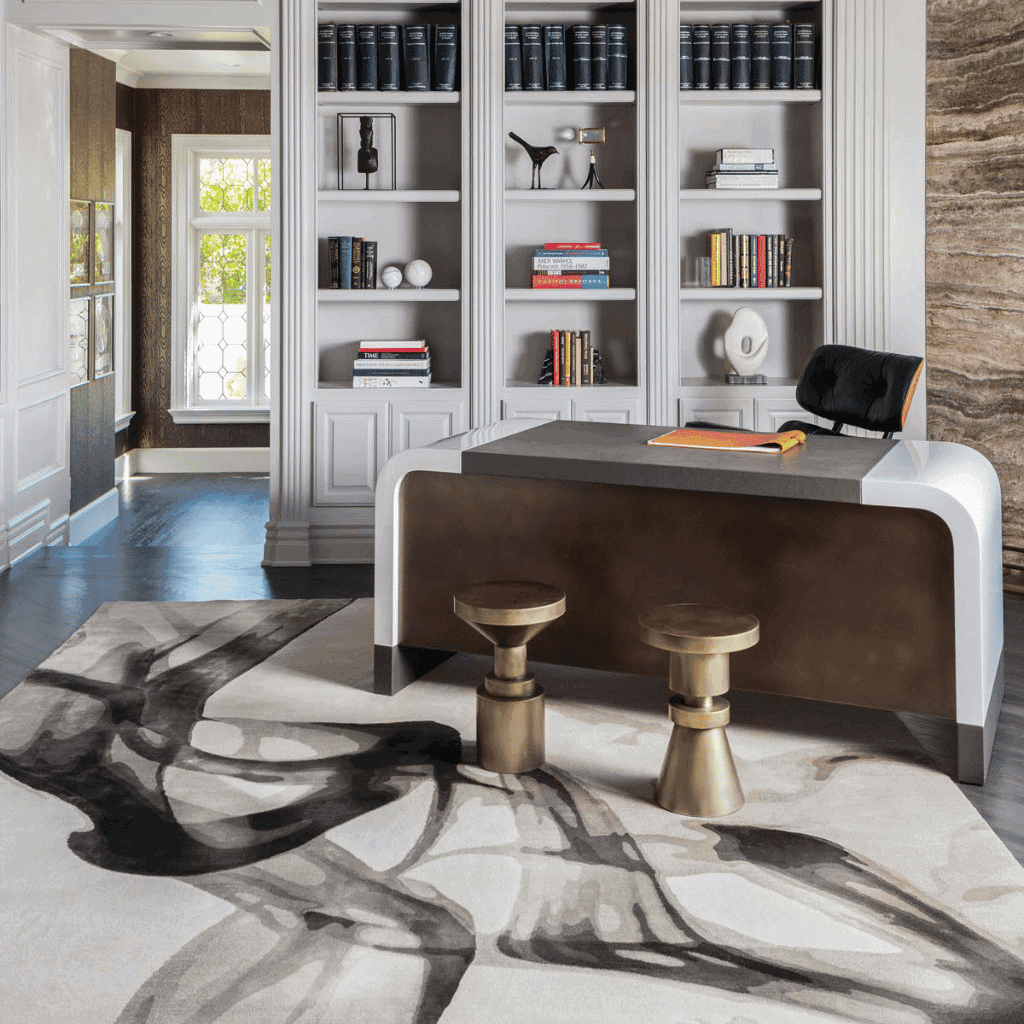
Hardwood floors bring warmth and timeless appeal. However, area rugs are essential for defining the workspace and absorbing sound. A low-pile rug works best under desks and chairs, allowing smooth movement while adding softness.
Meanwhile, cork or engineered wood offers comfort underfoot and subtle sound dampening. In modern spaces, polished concrete paired with a plush rug creates a striking contrast.
When choosing flooring, prioritize:
- Durability for daily use
- Acoustic comfort
- Visual cohesion with the rest of the home
Shop Flooring at:
Selecting the Right Furniture for Function and Comfort
Furniture selection determines how the space performs day after day. Therefore, every piece should balance form and function.
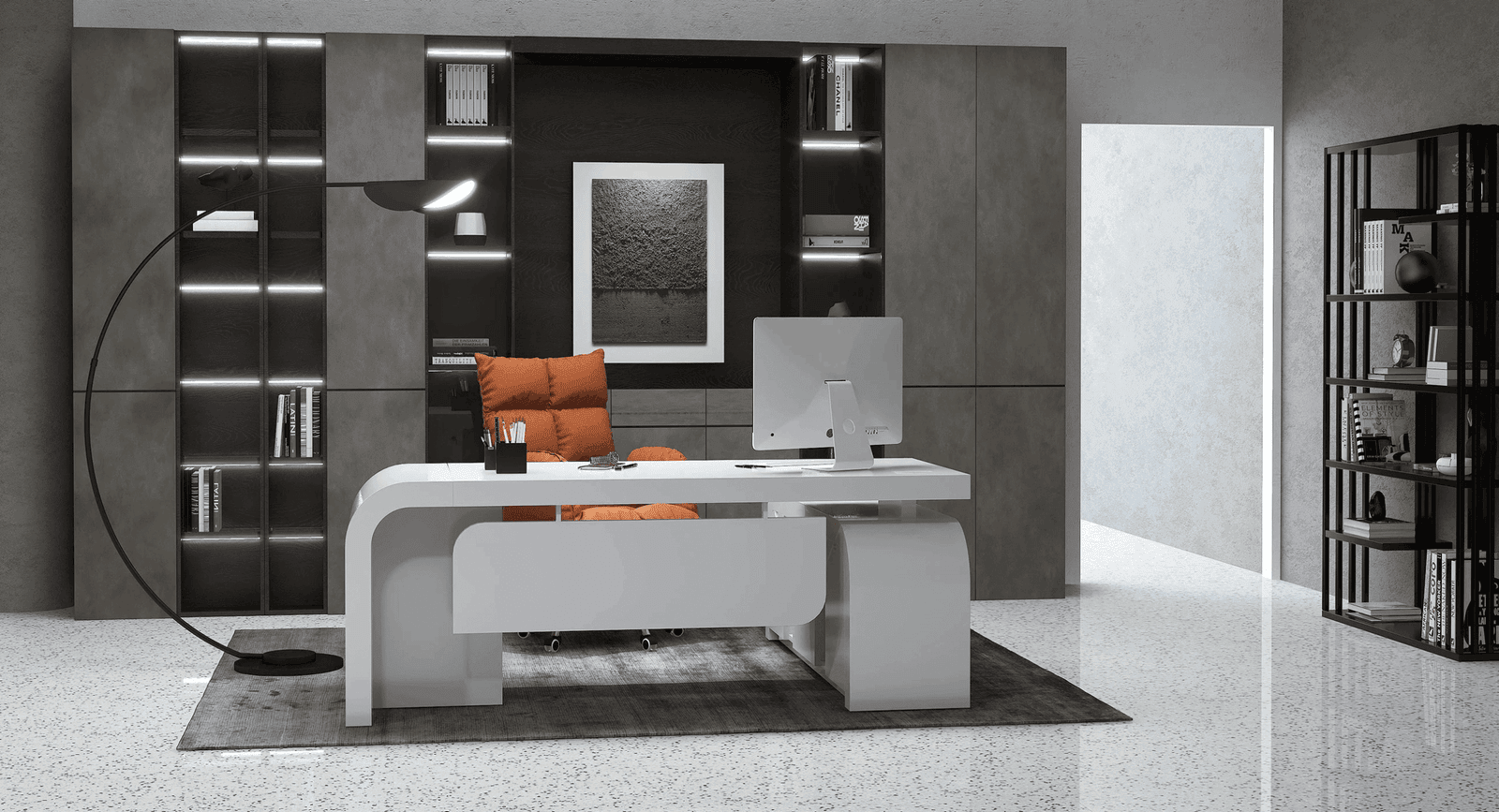
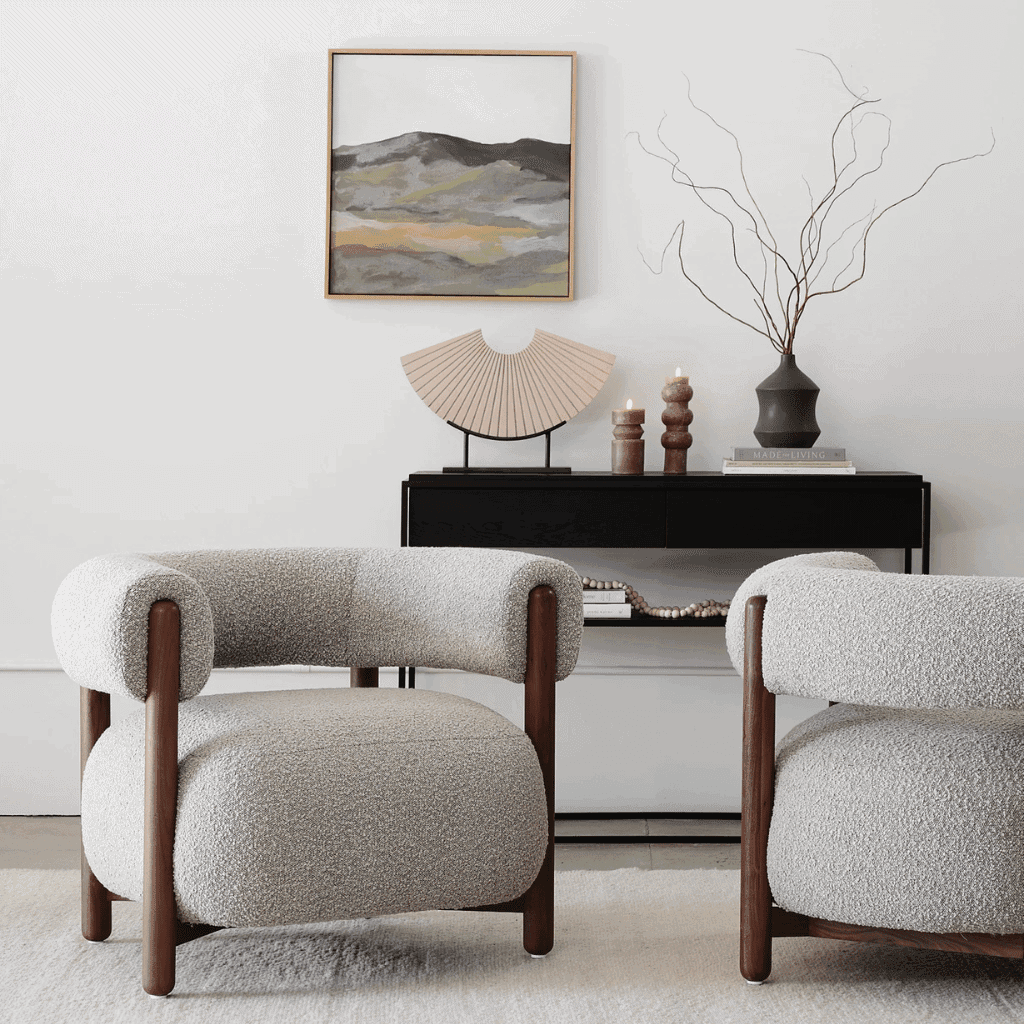
A well-proportioned desk anchors the room. Storage furniture should support organization without cluttering the visual field. Meanwhile, seating must prioritize ergonomics while maintaining a refined aesthetic.
Key considerations include:
- Scale relative to room size
- Clean lines for visual clarity
- Quality materials that age well
- Flexibility for evolving work needs
Ultimately, furniture should support long work sessions without sacrificing style.
Explore Furniture at:
Finding the Right Desk and Choosing the Perfect Chair
The desk and chair are the heart of the home office. Therefore, they deserve special attention.
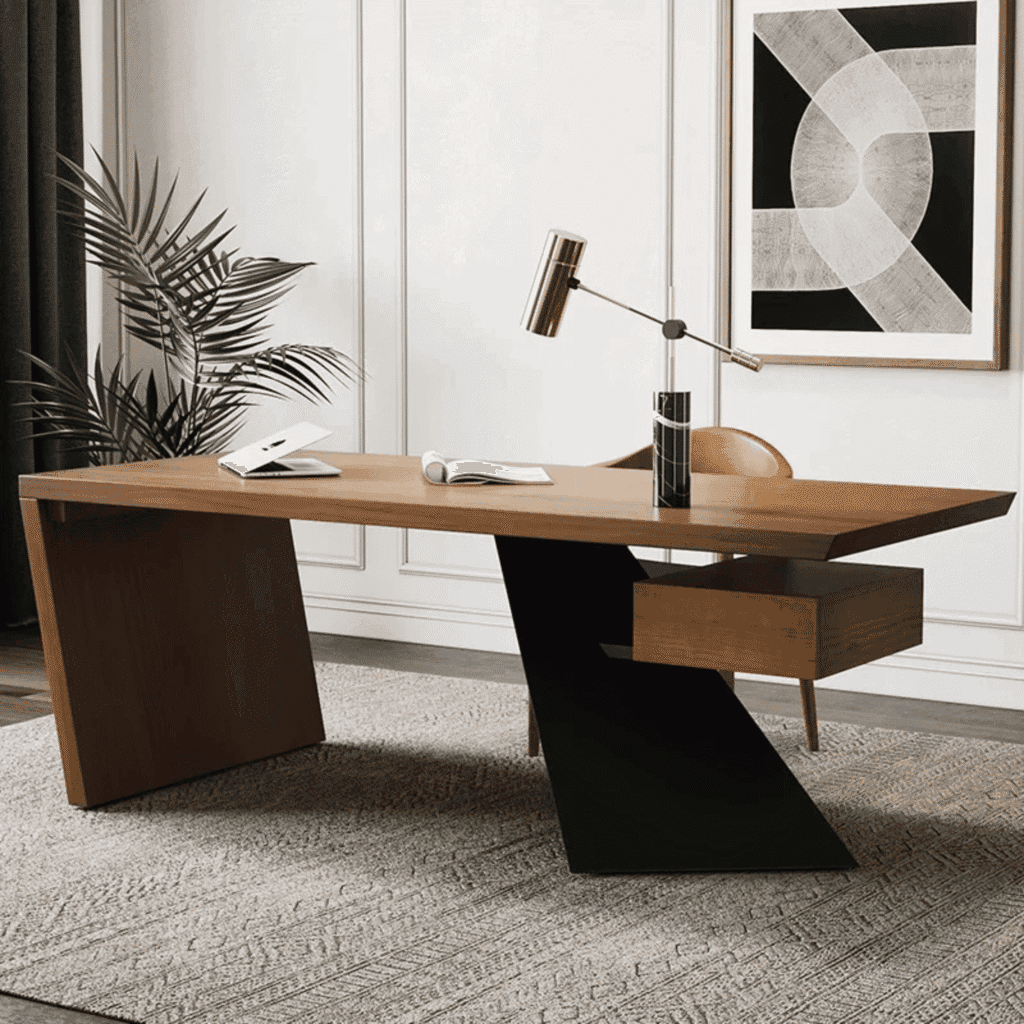
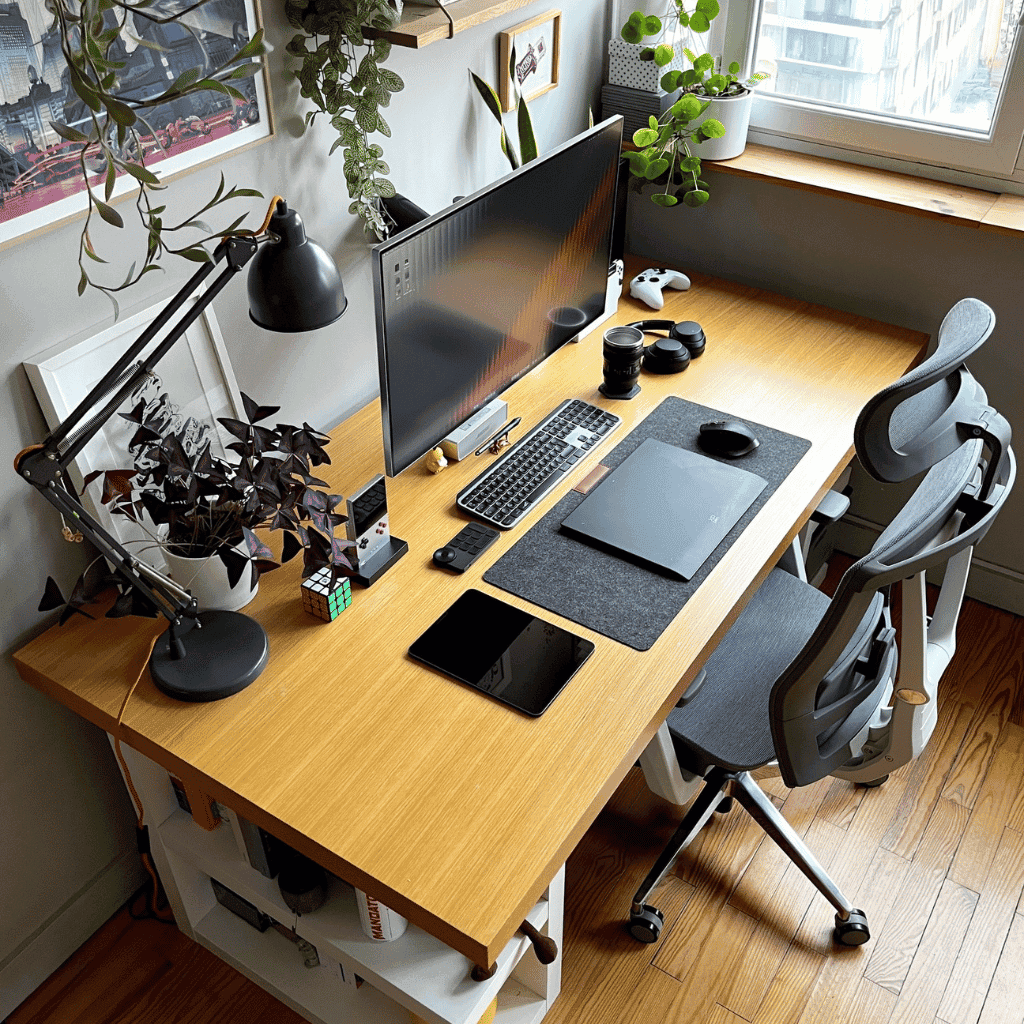
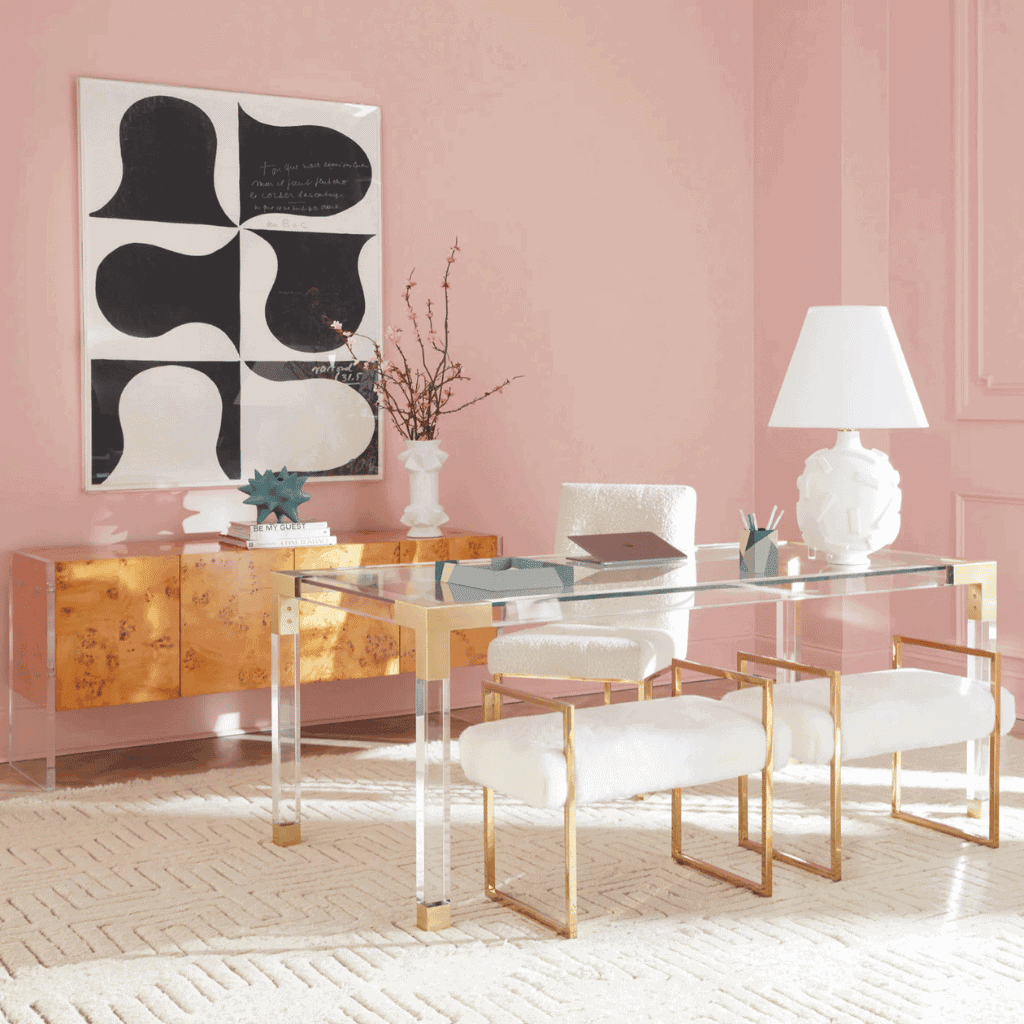
A desk should provide enough surface area without overwhelming the room. Solid wood desks offer warmth and character. Glass desks create lightness, while metal frames add a modern edge.
Equally important, the chair must support posture and movement. Adjustable height, lumbar support, and breathable materials are essential. Fortunately, many ergonomic chairs now feature elegant silhouettes suitable for luxury interiors.
When pairing desk and chair:
- Ensure proper height alignment
- Allow clearance for movement
- Balance visual weight between materials
Shop Desks & Office Chairs:
Staying Organized with Thoughtful Storage Solutions
Clutter disrupts focus. Therefore, effective storage is essential when designing the perfect home office.
Closed storage keeps visual noise to a minimum. Drawers, cabinets, and credenzas conceal paperwork and technology. Meanwhile, open shelving allows curated displays that inspire creativity.
Consider mixing storage types:
- File drawers for documents
- Floating shelves for books and objects
- Decorative boxes for small items
- Hidden cable management systems
As a result, the workspace remains calm, functional, and visually balanced.
Shop Storage Solutions:
Setting the Mood with Layered Lighting
Lighting shapes both mood and productivity. Therefore, a layered approach works best.
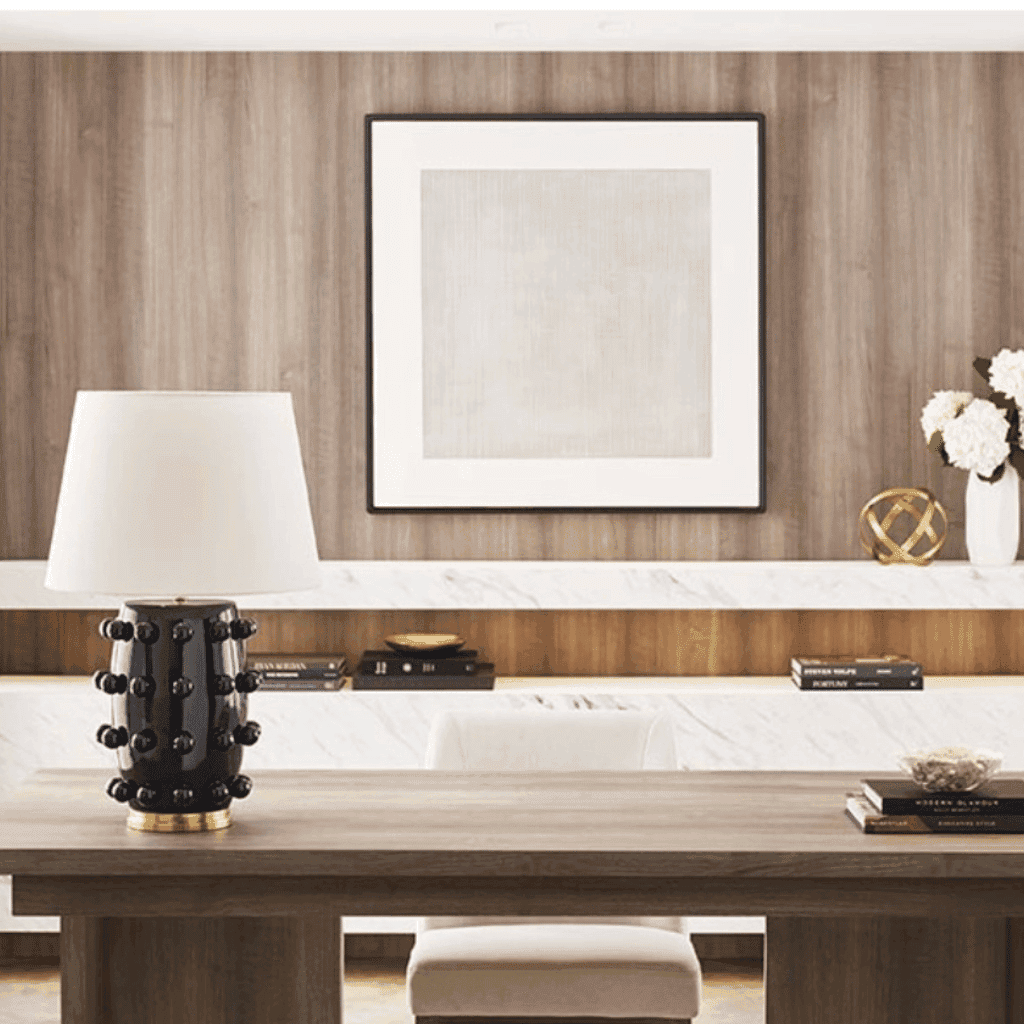
Natural light should be maximized whenever possible. Position the desk near a window, but avoid direct glare on screens. Meanwhile, ambient lighting provides overall illumination through ceiling fixtures or wall sconces.
Task lighting is critical for focused work. A well-designed desk lamp reduces eye strain and enhances precision. Accent lighting, such as picture lights or LED strips, adds warmth and dimension.
Effective lighting layers include:
- Ambient lighting for balance
- Task lighting for work zones
- Accent lighting for atmosphere
Shop Lighting:
Choosing Desk Accessories That Balance Function and Style
Desk accessories should enhance productivity while elevating the aesthetic. Therefore, every item should feel intentional.
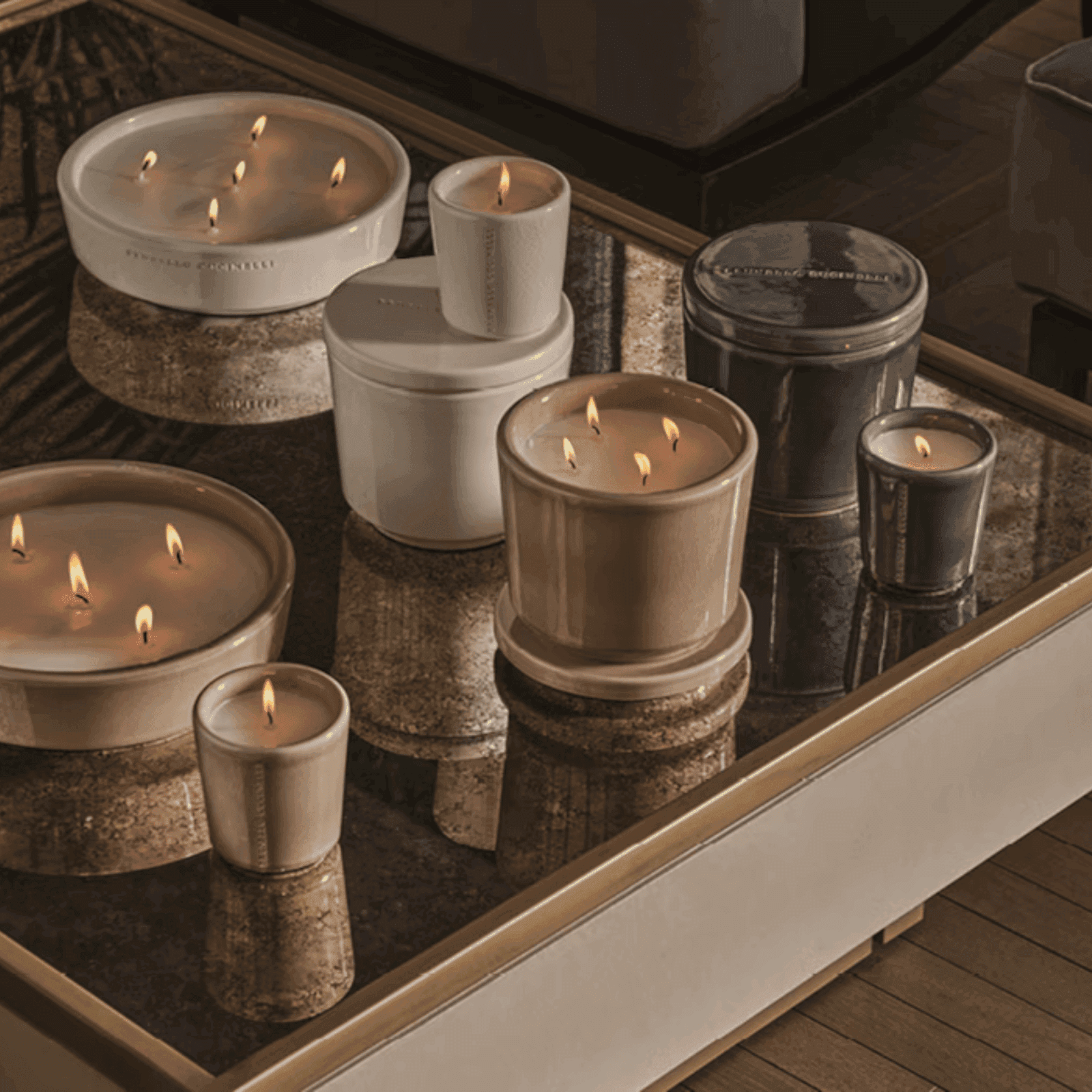
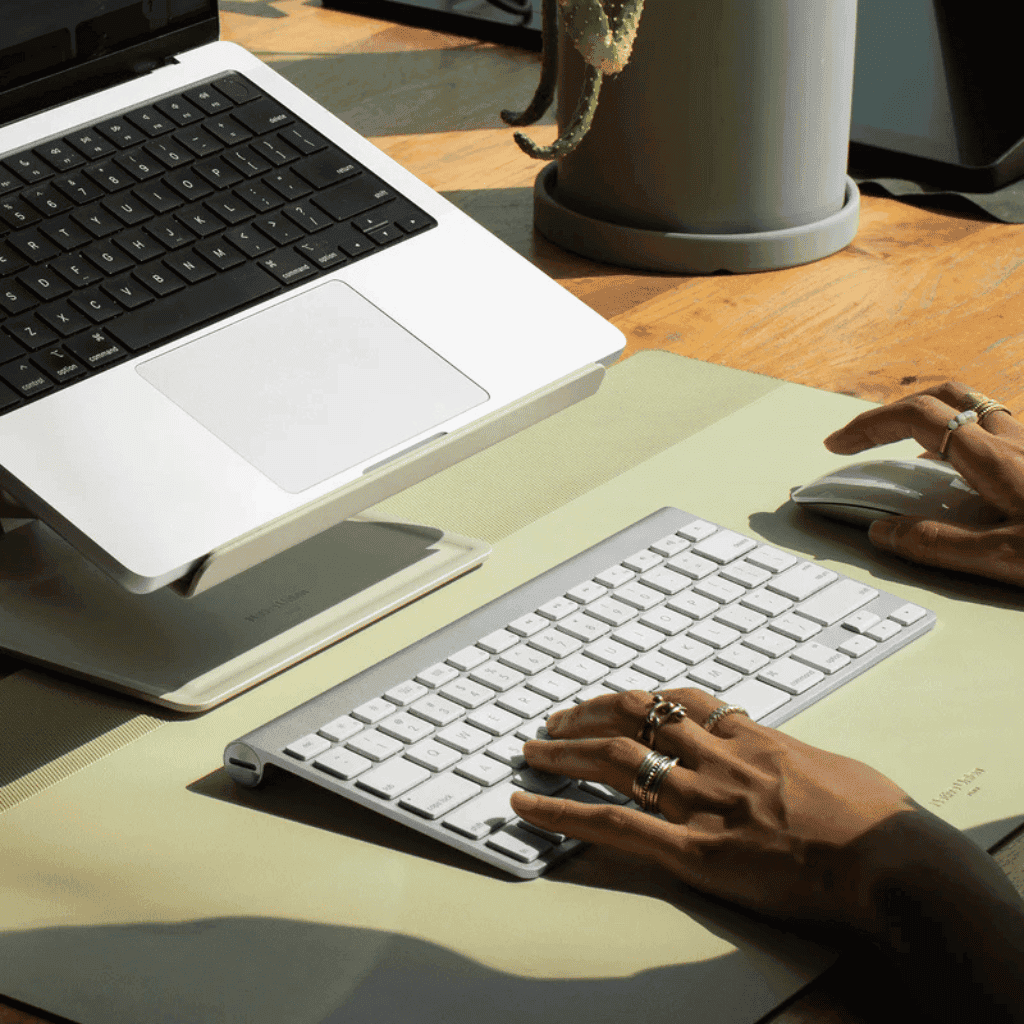
Opt for accessories made from refined materials such as leather, brass, marble, or ceramic. Coordinated finishes create visual harmony and reduce clutter.
Essential desk accessories include:
- Pen holders and trays
- Document organizers
- Minimal desk clocks
- Elegant cable organizers
In addition, limiting accessories to a curated selection helps maintain focus and clarity.
Adding Inspiration with Art and Décor Objects
Art transforms a workspace from functional to inspiring. Therefore, décor should reflect personal taste while supporting creativity.
Large-scale artwork makes a bold statement behind the desk. Meanwhile, smaller pieces can be layered on shelves or walls. Sculptural objects, vases, or books add depth and character.
When selecting décor:
- Choose pieces that evoke emotion
- Limit the palette for cohesion
- Rotate objects seasonally for freshness
As a result, the office remains dynamic and inspiring over time.
Shop Art & Décor:
Selecting Audio and Connectivity Solutions for Seamless Function
A creative home office must support modern technology without visual clutter. Therefore, audio and connectivity solutions should integrate seamlessly.
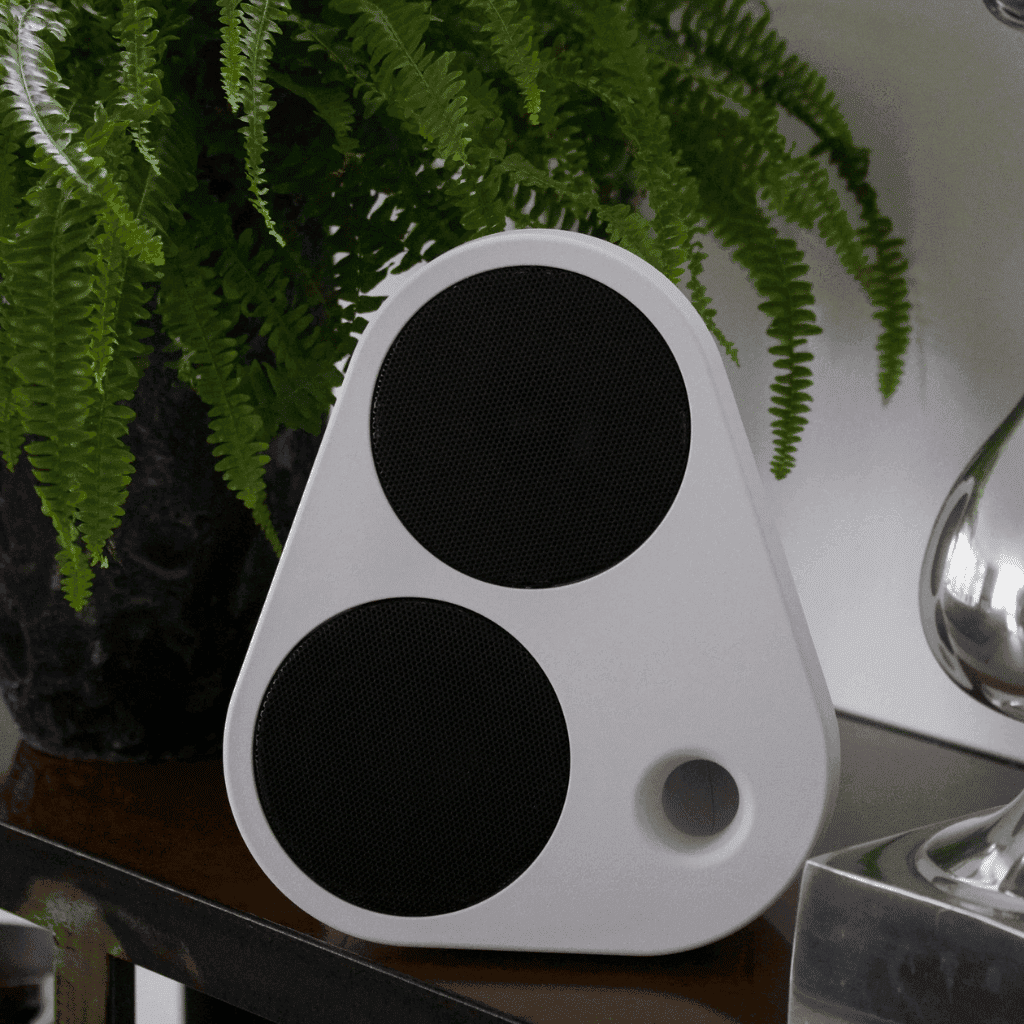
High-quality speakers enhance focus, whether for music or virtual meetings. Wireless connectivity reduces cable chaos, while charging stations keep devices powered and organized.
Consider incorporating:
- Wireless speakers with refined design
- Noise-canceling technology
- Discreet charging hubs
- Integrated power outlets within furniture
- Wireless Internet
Ultimately, technology should enhance productivity without dominating the space.
Shop Audio, Computers & Connectivity:
Autonomous Pods: Redefining the Future of Working from Home
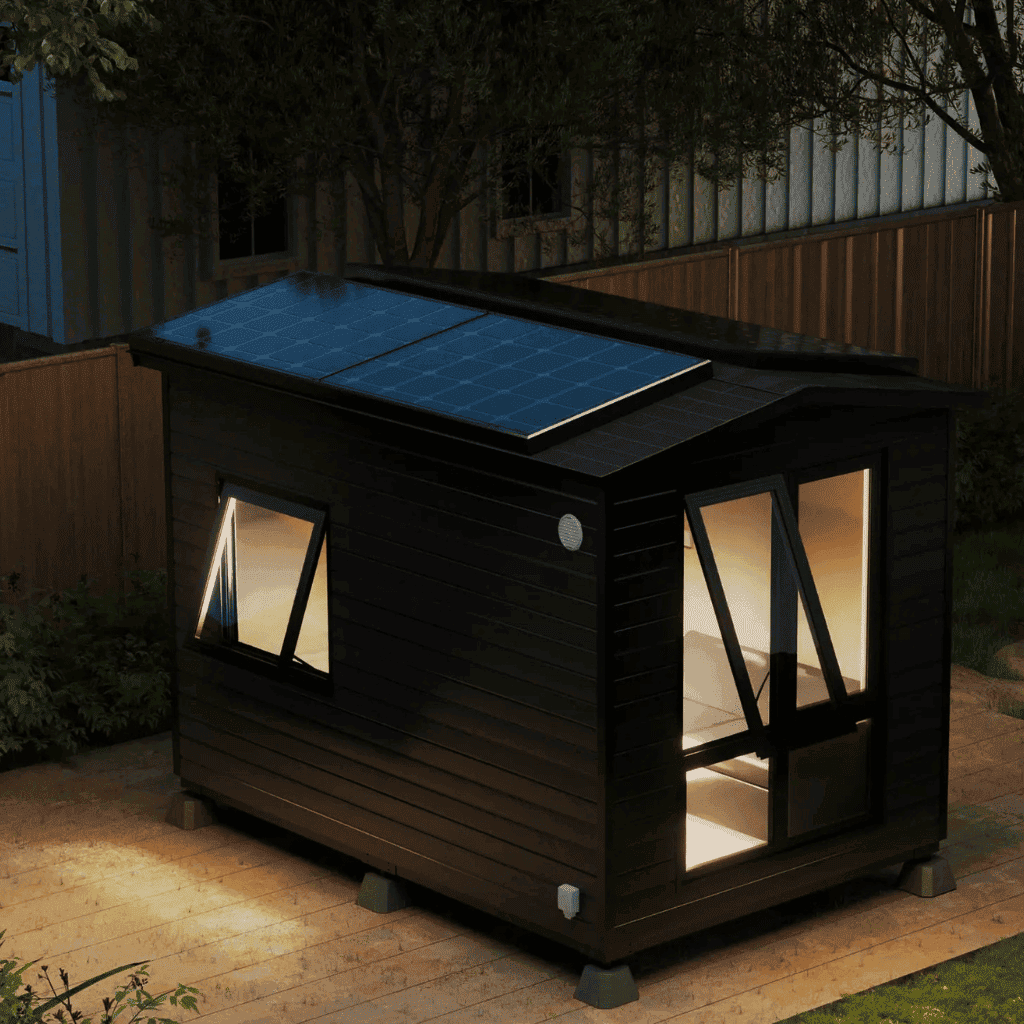
The LXURI article “Autonomous Pods: Redefining the Future of Working from Home” explains how purpose-built autonomous work pods are transforming remote work by offering dedicated, distraction-free spaces outside the traditional home interior. As remote and hybrid work become increasingly common, these prefabricated pods provide a refined solution for professionals seeking privacy, improved focus, and a clear boundary between work and personal life. Designed with architectural sophistication, sound insulation, climate control, and year-round comfort, Autonomous Pods elevate the work-from-home experience while blending modern style with function. Several models are explored, from the premium WorkPod Pro to more versatile and solar-powered configurations, each tailored to different needs and preferences.
The article highlights the benefits of enhanced productivity, healthier work-life balance, and even potential property value appreciation, while also acknowledging considerations like upfront cost and space requirements.
Ultimately, the piece positions Autonomous Pods as a forward-thinking investment that supports creativity, comfort, and refined living in the era of remote work.
Conclusion: Creating a Home Office That Inspires Every Day
Designing the perfect home office is about intention. When color, texture, furniture, lighting, and technology work together, the space becomes a catalyst for creativity.
Rather than following trends, focus on elements that support your work style and inspire your imagination. Over time, a well-designed home office enhances productivity, well-being, and creative confidence.
Ultimately, the perfect home office is not just where you work. It is where ideas take shape and creativity thrives.