
Affiliate Disclosure: Some links on this page are affiliate links. If you purchase an item through one of our affiliate links, LXURI may earn a commission at no additional cost to you. Our partnerships may influence which products or brands we feature, but they do not determine our editorial opinions or recommendations.
Explore Our Designer Furniture Buying Guide
Beautiful furniture can transform a room. However, a high price does not always guarantee exceptional quality, lasting comfort or superior craftsmanship. Understanding what makes furniture worth buying can help you create a home that looks beautiful and functions well for years.
Our designer furniture buying guide explores the qualities that separate lasting furniture from expensive decoration. From solid wood and upholstery to construction, durability and timeless design, we examine what matters before making a significant purchase.
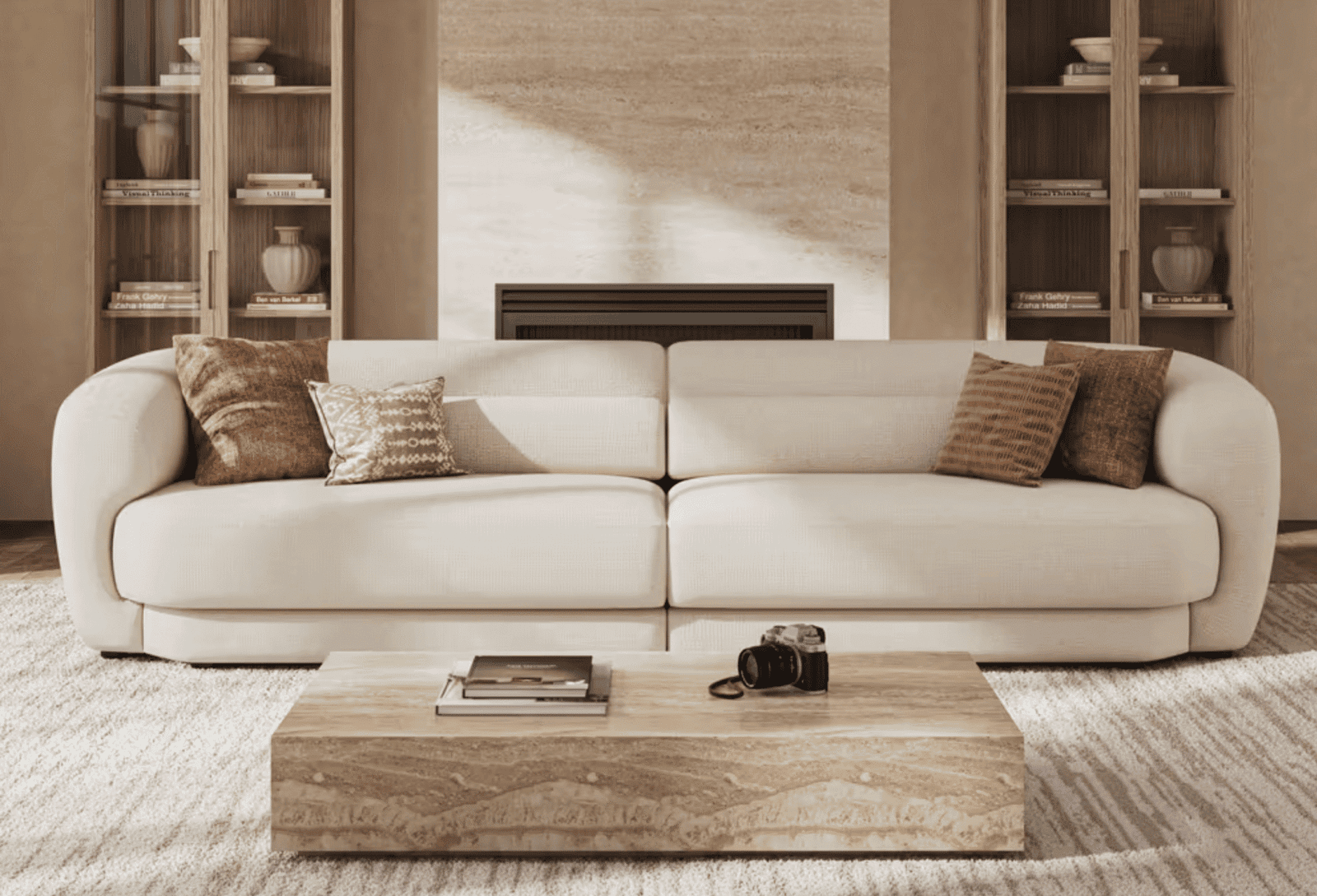
We also introduce furniture from three LXURI partners: POVISON, Jonathan Adler and Mytheresa LIFE. Each offers a different approach to furnishing a sophisticated home.
The goal is not simply to spend more. Instead, it is to understand where quality matters, when design deserves a premium and how to choose furniture that offers lasting satisfaction.
Comparing LXURI’s Designer Furniture Partners
Each partner offers a different approach to furnishing a home.
| Partner | Design Approach | Best For | Main Consideration |
|---|---|---|---|
| POVISON | Contemporary, coordinated furniture | Modern homes and practical furnishing | Verify materials and construction |
| Jonathan Adler | Sculptural, expressive design | Statement pieces and personality | Consider long-term style flexibility |
| Mytheresa LIFE | Curated luxury and design-led furniture | Distinctive interiors and collectible appeal | Evaluate price premiums and delivery terms |
Which Partner Should You Choose?
For a contemporary home: POVISON offers a useful starting point for coordinated furniture with modern proportions.
For a statement piece: Jonathan Adler brings expressive design and artistic character to living rooms, dining areas and bedrooms.
For a distinctive luxury interior: Mytheresa LIFE appeals to buyers seeking design-led furniture with a curated aesthetic.
For everyday durability: Compare individual product specifications across all three partners. No retailer’s entire collection can be assumed to offer the same construction quality.
- Comparing LXURI’s Designer Furniture Partners
- Is Designer Furniture Worth the Investment?
- Furniture Materials: What Makes Quality Last?
- Mytheresa LIFE: Curated Luxury Furniture
- Construction and Craftsmanship: Look Beneath the Surface
- Upholstered Furniture: Comfort, Fabric and Durability
- Timeless Design Versus Furniture Trends
- Size, Scale and Proportion: Will It Work in Your Home?
- Jonathan Adler: Expressive Furniture
- Cost Per Year: Measuring the Value of Designer Furniture
- How Long Should Quality Furniture Last?
- Questions to Ask Before Purchasing Designer Furniture
- POVISION: Contemporary Furniture
- The LXURI Designer Furniture Buying Checklist
- Our Editorial Methodology
- Final Thoughts: What Makes Designer Furniture Worth the Price?
- Related Resources
Is Designer Furniture Worth the Investment?
The first question is not which designer or brand to choose. Instead, consider what you expect the furniture to deliver.
A sofa used every evening requires different qualities from an occasional accent chair. Likewise, a dining table for a busy family must withstand different demands from a decorative console in a formal living room.
Before purchasing, consider five questions:
- Purpose: Will the furniture serve a practical, decorative or combined role?
- Frequency: How often will you use it?
- Durability: What level of wear should it withstand?
- Design: Will its style complement your home over time?
- Value: Does its construction and expected lifespan justify the price?
Designer furniture can command higher prices for several reasons. These include original design, skilled craftsmanship, specialized materials and limited production.
However, branding, marketing and distribution costs can also influence the final price.
Therefore, the strongest purchase is one where the furniture’s design, materials and performance justify its cost for your particular needs.
What Are You Actually Paying For?
A furniture price may reflect several factors.
| Price Factor | Potential Benefit | What to Verify |
|---|---|---|
| Original design | Distinctive appearance and proportions | Designer attribution and authenticity |
| Premium materials | Beauty, durability and texture | Material grade and specifications |
| Craftsmanship | Careful joinery and finishing | Construction methods |
| Specialized production | Unique forms and details | Manufacturing quality |
| Brand reputation | Established design identity | Product-specific quality |
| Limited production | Exclusivity | Whether scarcity matters to you |
| After-sales service | Repairs and replacement support | Actual warranty and service terms |
LXURI Buying Advice: A recognizable name may add appeal, but construction and usability should carry greater weight when buying furniture for everyday use.
EXPLORE POVISION FURNITURE
POVISON: Contemporary furniture designed for today’s living spaces.
Furniture Materials: What Makes Quality Last?
Materials influence how furniture looks, feels, ages and responds to daily use.
However, expensive materials are not always the most practical choice. The best material depends on the furniture’s purpose and environment.
Solid Wood: Natural Beauty and Repair Potential
Solid hardwood remains a popular choice for quality furniture.
Oak, walnut, maple and ash can offer strength, distinctive grain patterns and long service lives when properly constructed.
In addition, some solid wood surfaces can be sanded and refinished after years of use.
However, wood responds to changes in humidity and temperature. Poor construction can lead to warping, cracking or movement.
Best for: Dining tables, desks, cabinets and furniture intended for long-term use.
Considerations: Solid wood requires suitable construction, stable indoor conditions and appropriate maintenance.
Wood Veneer: Refined Design Without Solid-Wood Weight
Wood veneer consists of a thin layer of real wood applied to a supporting material.
High-quality veneer can create beautiful, consistent surfaces. It also allows designers to use decorative wood grains in ways that solid lumber may not permit.
Furthermore, engineered substrates can offer excellent dimensional stability.
Best for: Cabinets, sideboards, desks and large furniture surfaces.
Considerations: Veneer quality, substrate construction and edge finishing matter. Deep damage may be harder to repair than damage to solid wood.
A well-made veneered cabinet can outperform a poorly constructed solid wood alternative.
Engineered Wood: Practicality and Affordability
Plywood, medium-density fibreboard and particleboard appear in furniture across many price categories.
Their quality varies considerably.
Furniture-grade plywood can offer excellent structural performance. Meanwhile, MDF can provide a smooth, stable surface for painted finishes.
However, low-density particleboard may struggle with repeated assembly, heavy loads or prolonged moisture exposure.
Best for: Selected cabinets, shelving and furniture with suitable structural design.
Considerations: Check panel thickness, edge sealing, hardware attachment and moisture resistance.
Metal: Strength and Architectural Character
Steel, stainless steel, aluminium and brass appear in furniture frames, legs and decorative details.
Metal can provide strength while allowing slimmer profiles than many wood structures.
However, finish quality and construction determine long-term performance.
Poor welding, thin components or weak connections can undermine an otherwise attractive design.
Best for: Dining table bases, chairs, shelving and contemporary accent furniture.
Considerations: Check welds, stability, corrosion resistance and surface finishes.
Stone and Marble: Natural Luxury With Practical Trade-Offs
Marble, travertine, granite and other natural stones create striking furniture surfaces.
Their distinctive patterns make each piece visually unique.
However, natural stone can be heavy, porous and vulnerable to certain stains or surface damage.
Marble, for example, can etch when exposed to acidic substances.
Best for: Statement dining tables, consoles, side tables and occasional furniture.
Considerations: Ask about sealing, surface treatments, weight and maintenance requirements.
Furniture Material Comparison
| Material | Main Advantage | Main Limitation | Best Application |
|---|---|---|---|
| Solid hardwood | Durability and refinishing potential | Can move with humidity | Tables, chairs, cabinets |
| Quality wood veneer | Refined appearance and stability | Limited refinishing depth | Sideboards, cabinets |
| Furniture-grade plywood | Strong, stable construction | Quality varies | Structural panels |
| MDF | Smooth painted finishes | Vulnerable to moisture | Cabinet panels |
| Steel | Strength and slim profiles | Finish and weld quality vary | Frames and bases |
| Marble | Distinctive natural appearance | Etching and staining | Tables and consoles |
| Performance upholstery | Practical stain resistance | Performance varies by fabric | Sofas and chairs |
LXURI Recommendation: Prioritize the right material for the intended use rather than assuming that the most expensive material is always superior.
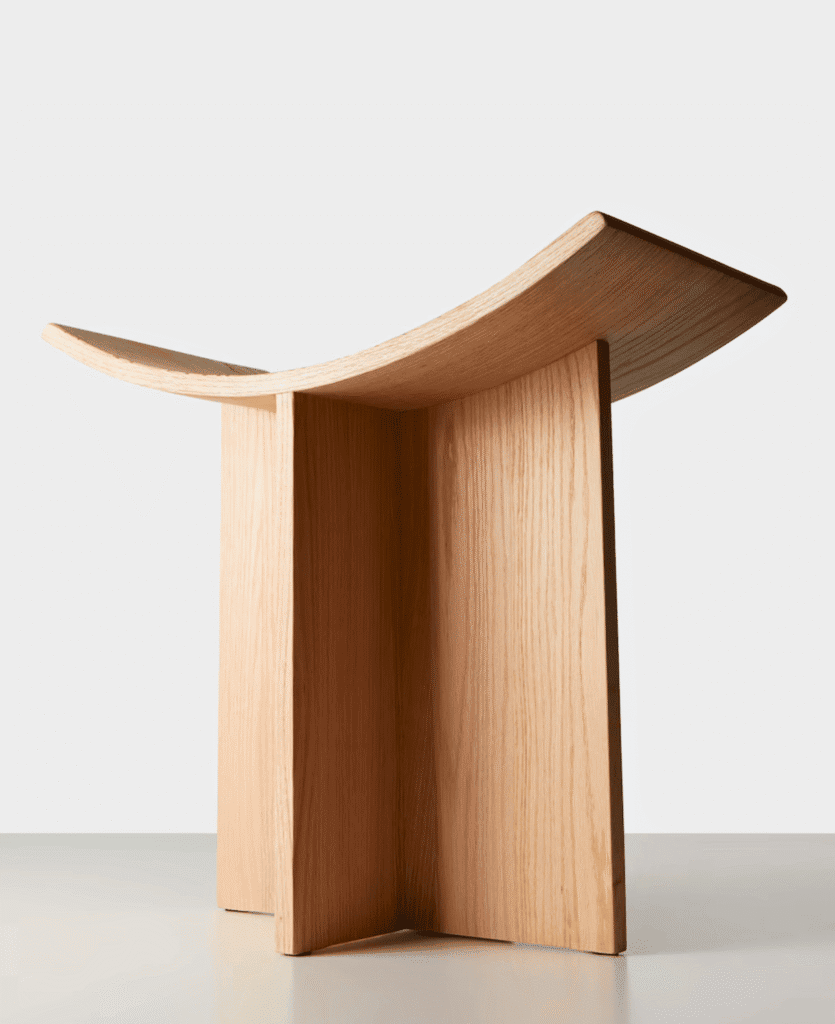
Mytheresa LIFE: Curated Luxury Furniture
Mytheresa LIFE extends the retailer’s luxury perspective into interiors and home furnishings.
Its furniture selection offers access to design-led pieces that emphasize aesthetics, craftsmanship and distinctive materials.
The assortment appeals to buyers who view furniture as part of a broader lifestyle and design collection.
Mytheresa LIFE can be especially relevant when searching for furniture with a strong visual identity.
Best for: Design enthusiasts, collectors and buyers seeking distinctive luxury furniture.
What to Consider: Designer furniture can involve significant price premiums, specialized materials and particular delivery requirements.
Therefore, confirm dimensions, construction details, availability and return conditions before purchasing.
LXURI Recommendation: Consider Mytheresa LIFE when looking for distinctive furniture that can anchor a carefully designed room. Prioritize pieces whose materials, craftsmanship and design justify their premium positioning.
Construction and Craftsmanship: Look Beneath the Surface
A beautiful finish can conceal weak construction.
Therefore, our designer furniture buying guide recommends examining how a piece is assembled before focusing on decorative details.
Joinery and Structural Connections
Furniture joints determine how effectively a piece handles weight and movement.
Traditional techniques include mortise-and-tenon joints, dovetails and reinforced corner blocks.
These methods can provide strong connections when properly executed.
However, modern engineered joints and mechanical fasteners can also perform well.
The important question is whether the construction suits the furniture’s purpose.
For example, a dining chair must withstand repeated movement and shifting weight. A decorative console faces different demands.
Frame Construction
For sofas and upholstered chairs, the internal frame is especially important.
Look for well-designed hardwood or quality engineered frames with secure connections.
Ask whether the frame includes reinforced corners and suitable support.
A sofa’s attractive upholstery means little if its frame begins to loosen after regular use.
Drawers, Doors and Moving Parts
Cabinets, desks and storage furniture rely on hardware that operates repeatedly.
Check that drawers move smoothly, doors align correctly and hinges feel secure.
Soft-close mechanisms can improve convenience. However, their presence alone does not prove overall furniture quality.
In addition, ask whether replacement hardware is available.
Finishing Quality
Careful finishing protects furniture and improves its appearance.
Look for consistent colour, smooth surfaces and neatly finished edges.
On wood furniture, examine the underside and less visible areas when possible.
Poor finishing in hidden sections may suggest limited attention to detail elsewhere.
The Furniture Construction Checklist
Before purchasing, examine:
- Stability: Does the piece remain steady during normal use?
- Connections: Are joints and structural supports secure?
- Alignment: Do drawers, doors and panels fit correctly?
- Finishing: Are surfaces and edges smooth and consistent?
- Hardware: Do moving parts operate reliably?
- Support: Can the structure handle its intended load?
LXURI Buying Advice: Ask retailers for construction details. If the product description says only “wood” or “premium materials,” request more specific information.
Upholstered Furniture: Comfort, Fabric and Durability
Sofas and lounge chairs often represent major furniture purchases.
Unlike decorative pieces, they must deliver comfort and structural support through repeated use.
Therefore, upholstery deserves careful evaluation.
What Makes a Quality Sofa?
A well-made sofa combines a strong frame, suitable suspension, supportive cushions and durable upholstery.
However, comfort remains personal.
Some buyers prefer firm, structured seating. Others value deep cushions and relaxed proportions.
Neither approach is universally better.
Instead, consider how you sit, how often you use the sofa and whether its dimensions support your body comfortably.
Understanding Cushion Construction
Common cushion materials include high-resilience foam, fibre and feather or down blends.
High-quality foam can provide consistent support. Meanwhile, feather-filled cushions often create a softer appearance.
However, feather and down blends may require frequent fluffing.
Foam quality also varies. Ask about density, resilience and replacement options rather than relying on descriptions such as “plush” or “premium.”
Choosing Durable Upholstery
Fabric durability depends on fibre content, weave, finish and intended use.
Performance fabrics may offer improved stain resistance. However, not all performance textiles provide the same benefits.
For frequently used seating, ask about abrasion testing, cleaning instructions and colourfastness.
Leather upholstery can also last for years. Nevertheless, its finish, thickness and maintenance needs affect durability.
Upholstery Comparison
| Upholstery | Main Benefit | Main Limitation | Best For |
|---|---|---|---|
| Full-grain leather | Natural character and ageing potential | Scratches and maintenance | Long-term seating |
| Performance fabric | Often easier to maintain | Quality varies | Family living spaces |
| Linen | Natural texture and relaxed elegance | Wrinkling and stains | Refined, lower-traffic rooms |
| Velvet | Rich texture and visual depth | May show pressure marks | Accent seating |
| Wool blends | Resilience and texture | Cleaning requirements vary | Everyday upholstered furniture |
| Bouclé | Distinctive tactile appearance | Can snag or trap debris | Accent chairs and selected sofas |
LXURI Recommendation: For frequently used seating, prioritize a strong frame, suitable cushion support and durable upholstery before selecting a fashionable fabric.
Timeless Design Versus Furniture Trends
Design contributes to the long-term value of furniture.
However, timeless furniture does not need to be traditional, neutral or understated.
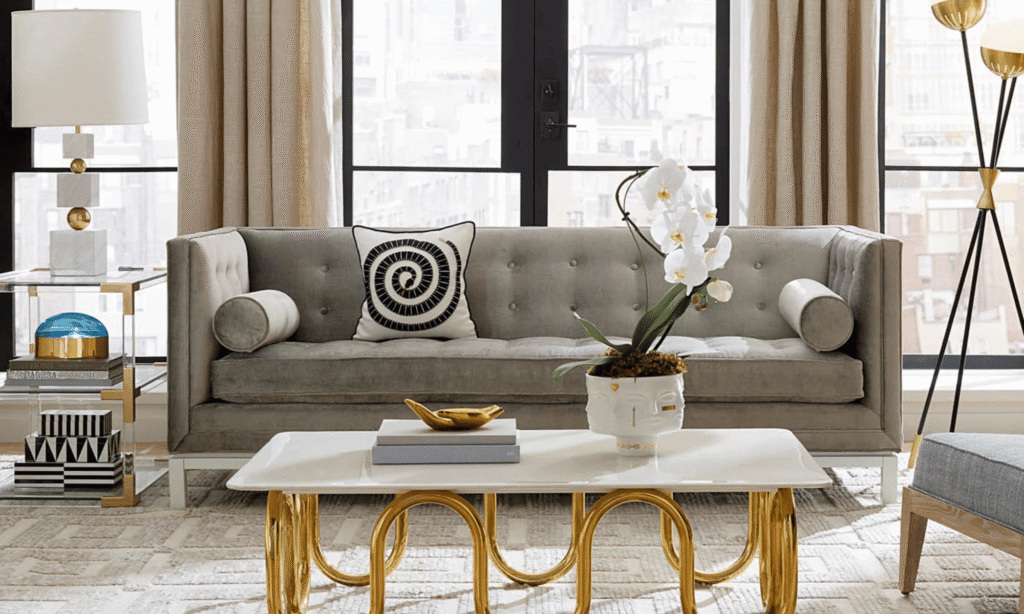
A sculptural chair or dramatic dining table can remain relevant for decades when its proportions and design feel intentional.
What Makes Furniture Timeless?
Several qualities can support long-term appeal:
- Balanced proportions.
- Clear design intent.
- Materials that age attractively.
- Functional comfort.
- Versatility across interior styles.
- Distinctive details without unnecessary complexity.
For example, a well-proportioned walnut dining table can complement both contemporary and traditional interiors.
Likewise, an expressive accent chair may become a lasting focal point in an otherwise restrained room.
When Statement Furniture Is Worth the Price
Statement furniture can bring personality and artistic expression into a home.
However, distinctive designs may be harder to reposition when your décor changes.
Therefore, consider whether you genuinely appreciate the piece or simply find it fashionable at the moment.
A bold console or sculptural chair may offer lasting enjoyment when it reflects your personal taste.
Where to Invest and Where to Save
Not every furnishing needs to carry a designer price.
Consider investing more in pieces that receive frequent use or anchor important rooms.
For example, a quality sofa, dining table or bed frame may justify a larger budget.
Meanwhile, occasional tables, decorative accessories and trend-driven accents may offer opportunities to spend less.
The goal is a balanced interior, not a room where every object carries a premium label.
Size, Scale and Proportion: Will It Work in Your Home?
Even beautifully designed furniture can disappoint when its dimensions are wrong.
A sofa may overwhelm a modest living room. Likewise, a dining table can feel impractical if chairs cannot move comfortably around it.
Before purchasing, measure the room and plan how people will move through the space.
Living Room Furniture
Consider sofa depth, seat height and the distance between furniture pieces.
As a starting point, allow approximately 40–45 cm between a sofa and coffee table.
However, adjust this distance to suit the room and the people using it.
For main walkways, approximately 75–90 cm often provides comfortable circulation.
Dining Tables and Chairs
Dining tables need sufficient space for chairs and movement.
Allow roughly 60 cm of table width per diner as a starting point.
In addition, aim for approximately 90 cm between the table edge and surrounding walls or furniture where space permits.
Bedroom Furniture
Measure the bed frame, nightstands and available walking space.
Remember that upholstered headboards and platform frames may extend beyond the mattress dimensions.
Also consider drawer clearance and wardrobe doors.
Check Delivery Access Before Ordering
Measure doorways, hallways, elevators and staircases.
Large sofas and dining tables may not fit through narrow entrances.
Therefore, confirm packaged dimensions, assembly requirements and delivery conditions before placing an order.
LXURI Buying Advice: Use painter’s tape to mark the furniture footprint on your floor. This simple exercise can prevent an expensive sizing mistake.
Jonathan Adler: Expressive Furniture
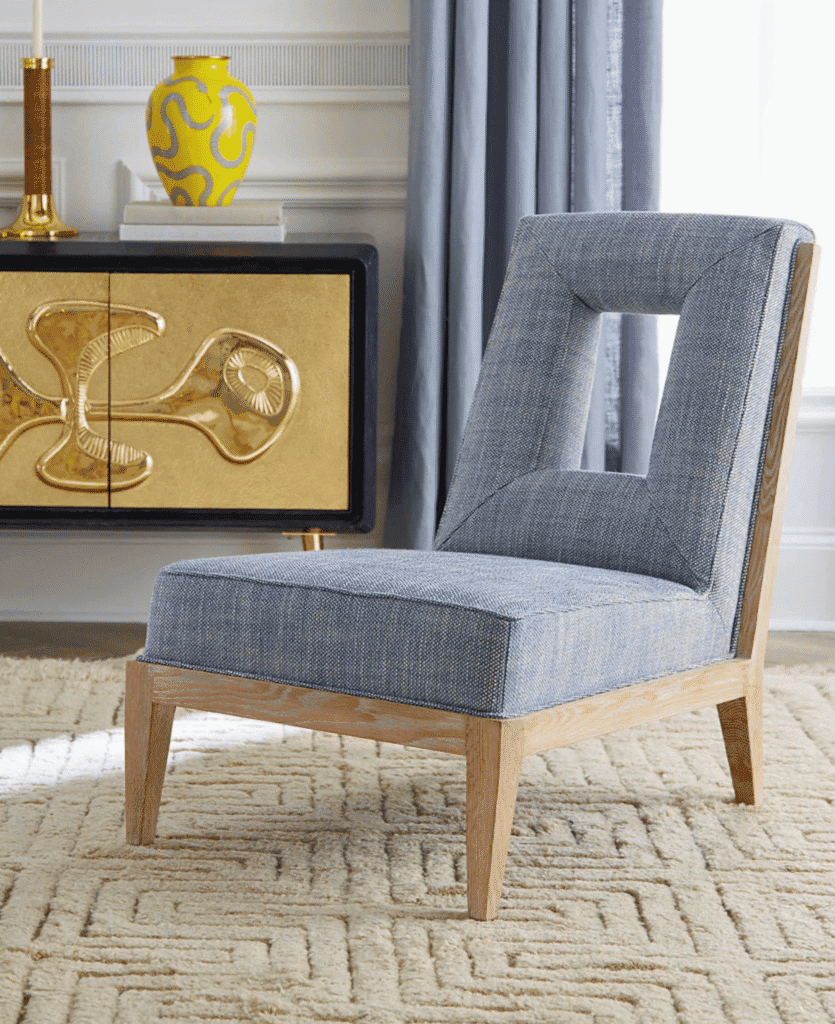
Jonathan Adler approaches furniture with a distinctive design perspective.
The brand is known for playful sophistication, sculptural forms, bold details and expressive interiors.
Its furniture collections include seating, tables, cabinets and statement pieces that bring personality into a room.
Rather than blending quietly into the background, many Jonathan Adler designs become focal points.
Best for: Buyers seeking statement furniture, artistic details and distinctive interiors.
What to Consider: Sculptural forms and specialized finishes may require careful placement and maintenance.
In addition, highly distinctive pieces can be less flexible when redecorating.
LXURI Recommendation: Explore Jonathan Adler for accent chairs, consoles, occasional tables and statement furniture. A single expressive piece can add character to a room without requiring an entirely new interior.
Cost Per Year: Measuring the Value of Designer Furniture
A designer furniture buying guide should consider more than the initial purchase price.
Cost per year provides a practical way to compare furniture with different expected lifespans.
Cost Per Year = Purchase Price ÷ Years of Use
Consider three hypothetical sofas:
| Sofa | Purchase Price | Years Used | Cost Per Year |
|---|---|---|---|
| Budget sofa | $1,200 | 5 | $240 |
| Quality mid-range sofa | $3,000 | 12 | $250 |
| Premium designer sofa | $6,000 | 20 | $300 |
Illustrative figures in USD, not market price quotes or guaranteed lifespans. Maintenance, repairs, financing and resale value are excluded.
The premium sofa costs considerably more upfront. However, its annual cost becomes more comparable if it remains comfortable and functional for two decades.
Of course, a higher price does not guarantee a longer lifespan.
Construction quality, use, maintenance and repairability determine whether the expected value materializes.
Why Repairability Matters
Furniture that can be repaired may offer better long-term value.
For example, replacing worn upholstery can extend the usefulness of a well-built chair.
Similarly, refinishing a solid wood table may restore its appearance after years of use.
Before purchasing, ask whether the manufacturer offers replacement parts, upholstery services or repair support.
Is Designer Furniture a Financial Investment?
Some collectible furniture appreciates in value. However, most furniture should not be purchased with an expectation of financial returns.
Resale prices depend on designer recognition, authenticity, condition, rarity and market demand.
In addition, shipping and selling costs can reduce proceeds.
Therefore, consider designer furniture an investment in your home and daily enjoyment rather than a guaranteed financial asset.
How Long Should Quality Furniture Last?
Furniture lifespan depends on construction, materials, use and maintenance.
Nevertheless, broad planning estimates can help buyers evaluate value.
| Furniture Type | Illustrative Planning Lifespan | Important Factors |
|---|---|---|
| Quality sofa | 10–20 years | Frame, cushions, upholstery |
| Solid wood dining table | 20–30+ years | Joinery, finish, maintenance |
| Well-made dining chairs | 10–20+ years | Joint strength, regular use |
| Quality bed frame | 15–25+ years | Structure and support |
| Solid wood cabinet | 20–30+ years | Joinery, hardware, environment |
| Upholstered accent chair | 10–20 years | Frame and fabric |
These ranges are broad planning estimates, not manufacturer guarantees. Actual lifespans may fall outside them.
Maintenance Makes a Difference
Protect wood from prolonged moisture and extreme temperature changes.
Clean upholstery according to manufacturer instructions.
In addition, tighten accessible hardware when recommended and address minor damage before it becomes more serious.
For valuable furniture, professional restoration may offer a practical alternative to replacement.

Questions to Ask Before Purchasing Designer Furniture
Our designer furniture buying guide recommends answering these practical questions before committing to a major purchase.
What Materials Are Used?
Ask whether wood components are solid, veneered or engineered.
For upholstered furniture, request information about frame construction, cushions and fabric performance.
For stone surfaces, confirm the material and recommended care.
Is the Furniture Suitable for Everyday Use?
A decorative chair may not offer the comfort or durability required for daily seating.
Similarly, a delicate stone table may not suit a busy household.
Choose materials and construction based on actual use.
Does the Furniture Require Assembly?
Some furniture arrives fully assembled. Other pieces require installation.
Confirm whether professional assembly is available and whether additional charges apply.
What Are the Delivery and Return Policies?
Large furniture often involves special delivery arrangements.
Ask about shipping charges, delivery access, damage reporting and return eligibility.
Custom, made-to-order and final-sale furniture may have restricted return conditions.
What Does the Warranty Cover?
Review warranty terms carefully.
Coverage may differ for frames, upholstery, mechanisms and surface finishes.
Normal wear, accidental damage and improper care may fall outside warranty protection.
Can the Furniture Be Repaired?
Ask whether replacement parts, upholstery services or refinishing options are available.
Repairability can substantially improve long-term value.
Will It Work if I Move or Redecorate?
Consider the furniture’s size, weight and design flexibility.
A modular sofa or adaptable dining table may suit changing homes better than a highly specialized piece.
POVISION: Contemporary Furniture
POVISON focuses on contemporary furniture designed for today’s living spaces.
Its assortment includes dining tables, seating, storage furniture and coordinated pieces for modern interiors.
The brand appeals to buyers seeking clean silhouettes, practical functionality and a cohesive design aesthetic.
POVISON is particularly relevant for furnishing dining rooms, living rooms and bedrooms with a contemporary look.
Best for: Buyers who appreciate modern design, coordinated interiors and practical furniture.
What to Consider: Examine the materials and construction of each product individually. Engineered wood, stone surfaces, metal components and upholstery can have different maintenance needs.
In addition, confirm assembly requirements, delivery conditions and product-specific warranties.
LXURI Recommendation: Consider POVISON when creating a cohesive contemporary interior. Focus on dining tables, storage furniture and seating that balance visual simplicity with daily function.
The LXURI Designer Furniture Buying Checklist
Before making a significant purchase, review the following:
- Purpose: Does the piece meet a clear functional or decorative need?
- Materials: Are the materials suitable for its intended use?
- Construction: Are the joints, frame and structural components well designed?
- Comfort: Does the furniture support everyday use?
- Dimensions: Will it fit the room and delivery route?
- Durability: Can it withstand the expected level of wear?
- Maintenance: Are the care requirements realistic?
- Repairability: Can damaged or worn components be restored?
- Design: Will the piece remain appealing as your home evolves?
- Value: Does the expected lifespan justify the purchase price?
- Service: Are warranty, delivery and return conditions acceptable?
A strong purchase should satisfy the most important criteria for your needs.
However, no piece will perform perfectly in every category. The goal is to understand the trade-offs before deciding.
Our Editorial Methodology
At LXURI, we believe furniture recommendations should reflect practical value, design quality and transparent research.
This designer furniture buying guide uses established furniture construction principles, material characteristics and practical purchasing criteria.
Our partner recommendations reflect their general design approaches, product categories and suitability for different interiors.
This article is based on editorial and product research rather than comprehensive firsthand testing of every furniture item discussed. We do not claim to have independently inspected, assembled or tested every product.
LXURI may earn commissions from purchases made through participating retail partners. However, commercial relationships do not replace our responsibility to discuss limitations, maintenance requirements and practical considerations.
Product specifications, prices, availability, delivery services, warranties and return policies can change. Readers should confirm current details with the retailer before purchasing.
Last Reviewed: November 13, 2026
Final Thoughts: What Makes Designer Furniture Worth the Price?
Designer furniture is worth considering when it offers meaningful advantages in construction, materials, comfort, durability or design.
However, a premium price alone does not establish lasting quality.
Our designer furniture buying guide recommends beginning with function. Identify how you will use the piece, how long you expect to keep it and which qualities matter most.
Then evaluate materials, structural construction, maintenance and cost per year.
For contemporary interiors, POVISON offers a practical design direction. For artistic statement furniture, Jonathan Adler brings expressive character. Meanwhile, Mytheresa LIFE offers a curated approach to distinctive luxury furnishings.
Ultimately, the best furniture is not necessarily the most expensive or recognizable.
It is the furniture that fits your home, supports your lifestyle and continues to bring satisfaction long after the initial purchase.
Invest in thoughtful design, dependable construction and furniture you will enjoy living with for years to come.
Related Resources
- Fall Interior Design Color Trends for 2026
- Discover How to Select Lighting for Every Room
- Fall for Your Home With Designer Home Décor
- Luxury Blankets and Throws to Cozy Up With This Fall
- Beautiful Custom Curtains and Drapes from TWOPAGES
- POVISON Dining Room Furniture: A Stylish Guide
- Eden Collection: Stunning Serpent Chic Décor
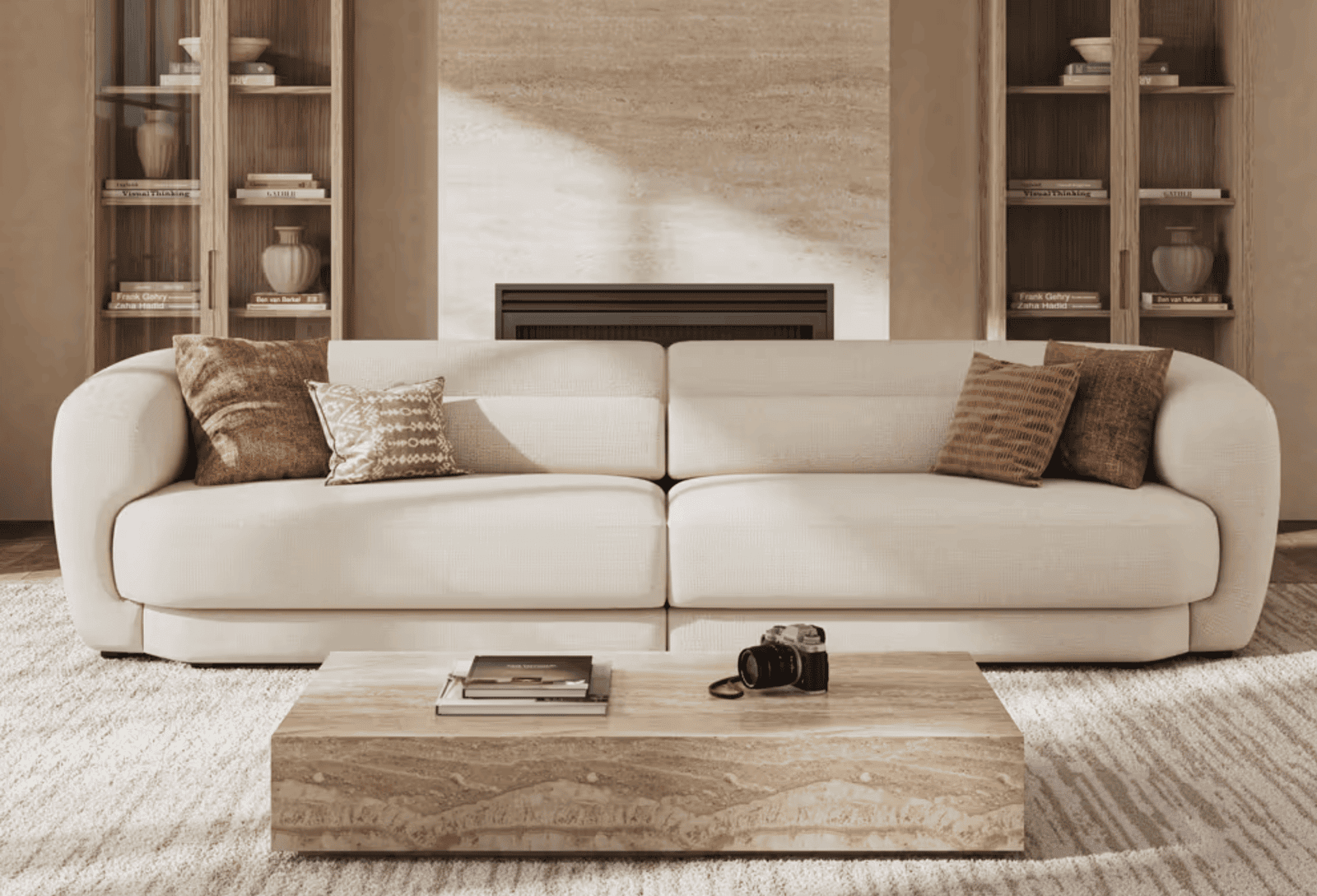
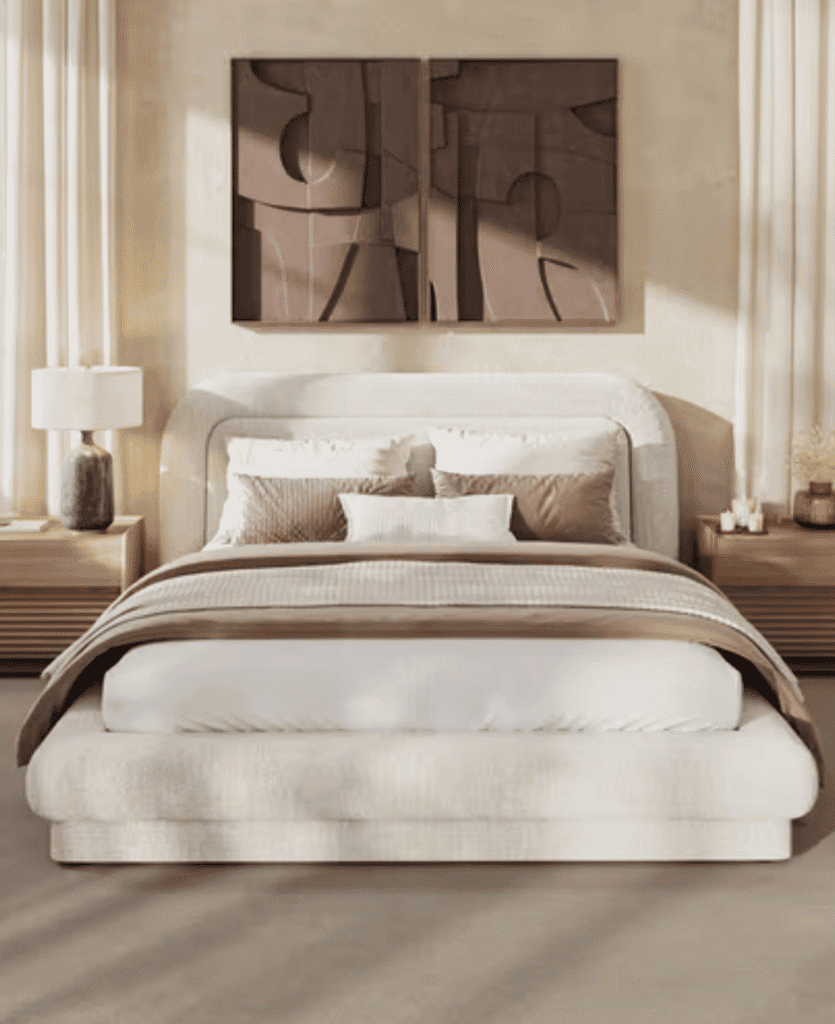
Designer Furniture: What Makes a Piece Worth the Price?
Is designer furniture worth the price? Discover how to evaluate materials, craftsmanship, construction, durability and long-term value before investing[…]

Luxury Handbag Buying Guide
A luxury handbag should combine exceptional materials, thoughtful design and lasting versatility. Our buying guide explores leather quality, construction,[…]

Art Basel Miami 2026: A Brilliant Cultural Escape
Art Basel Miami Beach returns December 4–6, 2026, bringing international galleries and new artistic voices to the city. Plan[…]
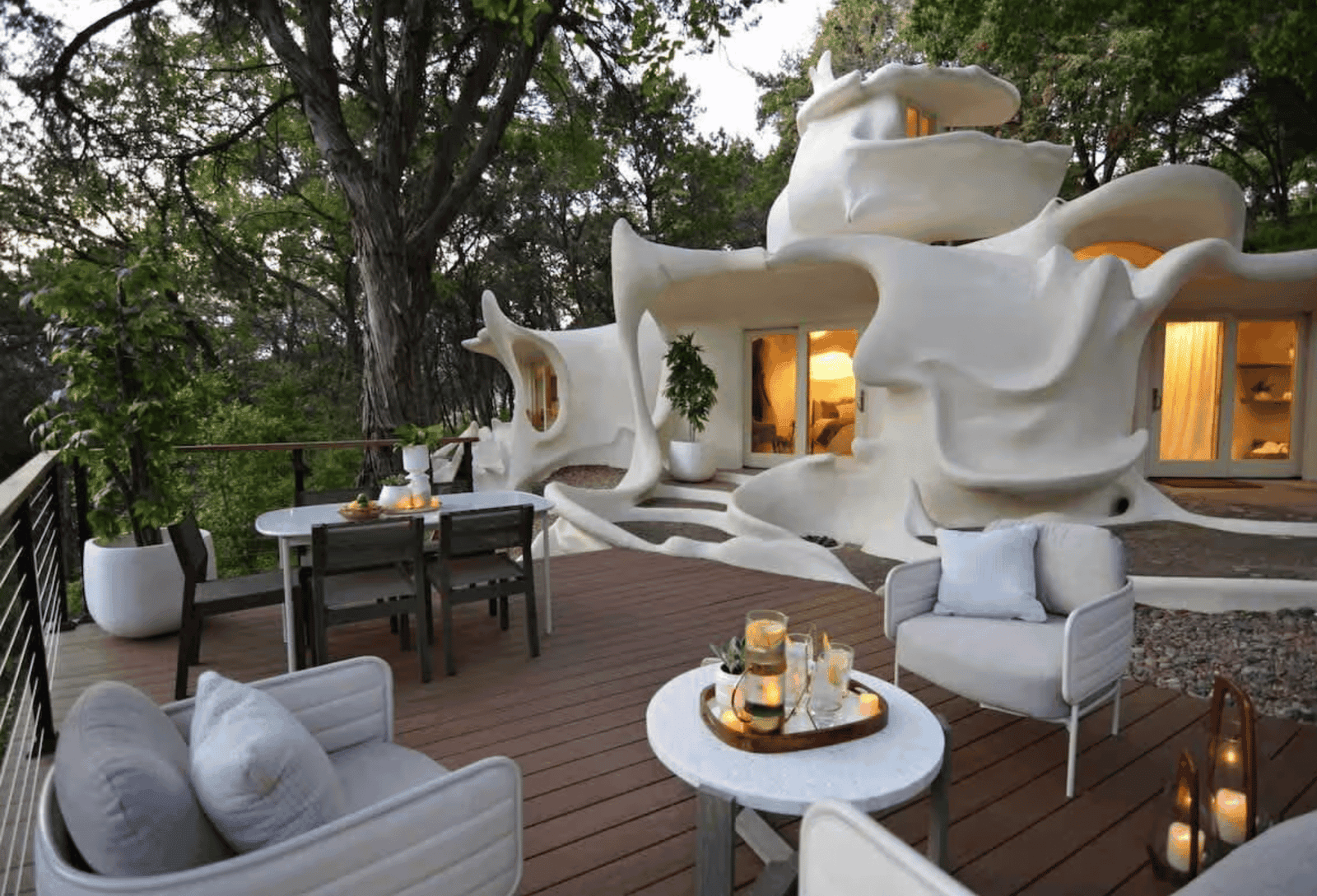
Fall 2026 Travel Trend: Fabulous Weekend Getaways
A memorable escape need not take a week. Discover four unusual Vrbo stays that put architecture, atmosphere and time[…]

NADINE MERABI Partywear: Indulge in Midnight Opulence
For nights that call for more, discover an edit of NADINE MERABI evening wear rich in velvet, lace and[…]
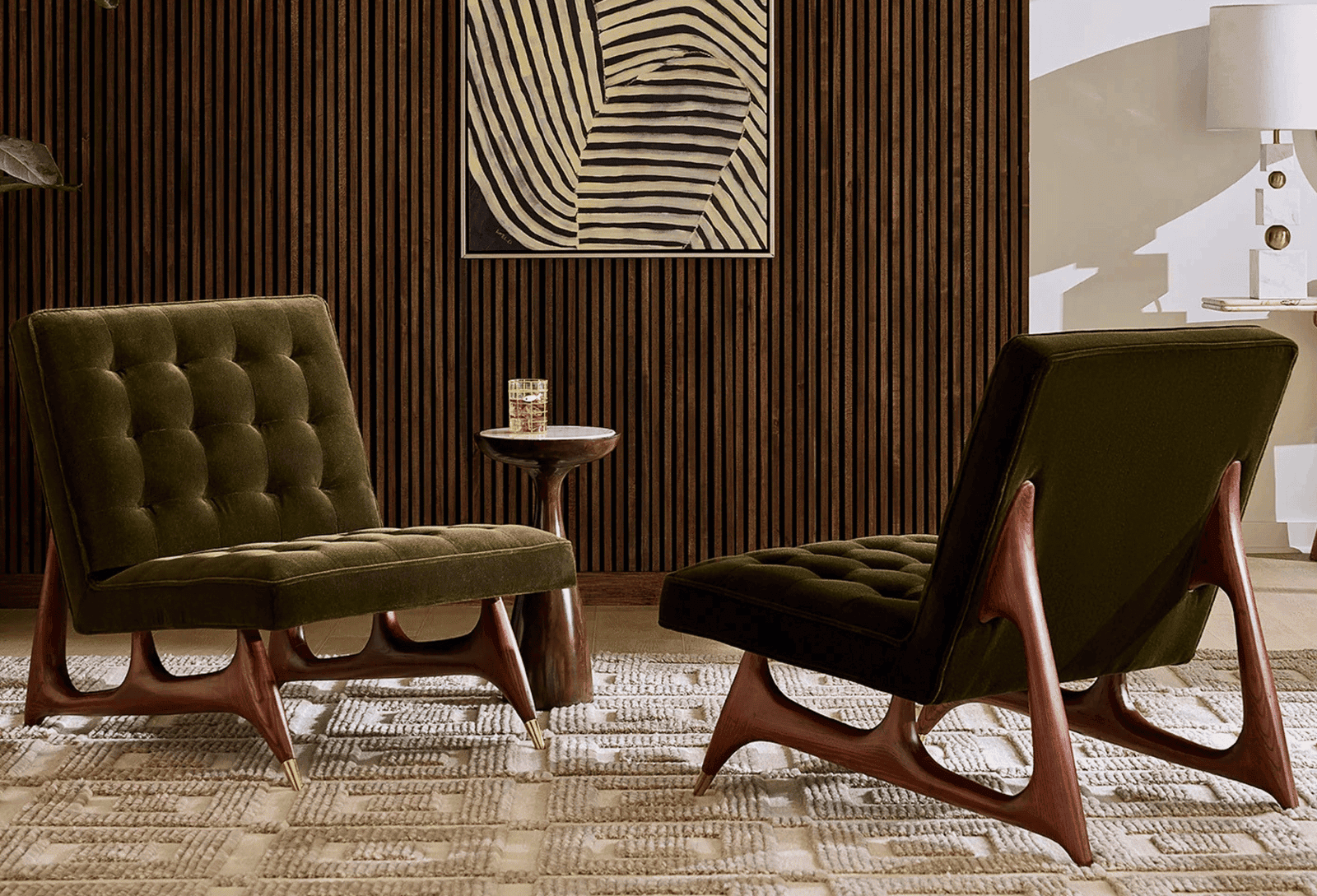
Fall Interior Design Color Trends for 2026
Fall 2026 gives neutrals more depth and jewel tones more room to play. From a cream sectional and an[…]