
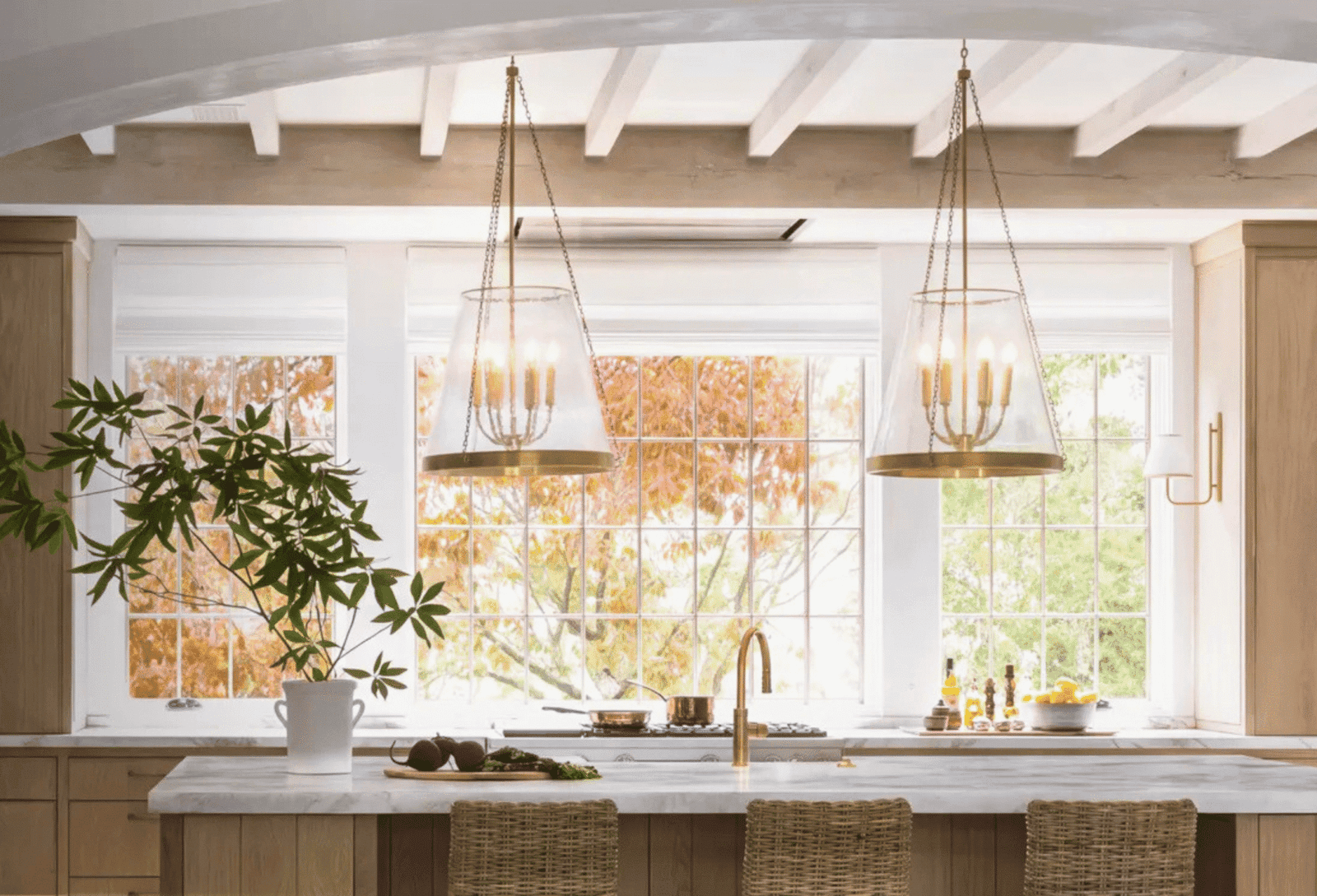
Affiliate Disclosure: Some links on this page are affiliate links. If you purchase an item through one of our affiliate links, LXURI may earn a commission at no additional cost to you. Our partnerships may influence which products or brands we feature, but they do not determine our editorial opinions or recommendations.
Explore Our Brilliant Room-by-Room Guide
Knowing how to select lighting can change how your home looks, feels and functions. A sculptural chandelier may define a dining room. However, a well-placed reading lamp can make an equally meaningful difference to daily life.
The decision goes beyond choosing a beautiful fixture. You are choosing where light falls, how much you need and how easily you can adjust it.
Start with the activities in each room. Then consider scale, brightness, glare, materials and maintenance before settling on a style.
This guide explains those choices, followed by relevant lighting options from LXURI partner Visual Comfort & Co.
Reviewed: October 20, 2026
Methodology: This guide draws on published manufacturer specifications, lighting guidance and policy research. It does not represent firsthand testing of the featured fixtures. Product examples illustrate different needs rather than a ranked comparison.
- How to Select Lighting: Start With Three Layers
- Compare Light Quality Before Fixture Style
- How to Select Lighting in the Right Size
- A Room-by-Room Lighting Plan
- Compare Fixture Types and Their Trade-Offs
- Materials, Finishes and Maintenance
- Explore Lighting From Visual Comfort & Co.
- How to Select Lighting Within Your Budget
- Practical Questions Before You Order
- The Best Lighting Choice Depends on Your Needs
- Related Resources
How to Select Lighting: Start With Three Layers
Most rooms need more than one source of light. Otherwise, a single ceiling fixture must handle every activity and mood.
A layered plan combines ambient, task and accent lighting. However, one fixture may serve more than one purpose.
| Lighting Layer | What It Does | Common Fixtures | Main Limitation |
|---|---|---|---|
| Ambient | Provides general light for moving around | Flush mounts, chandeliers, recessed lights | May leave work surfaces or seating areas in shadow |
| Task | Directs light where you need to see detail | Reading lamps, desk lamps, under-cabinet lights | Can create glare without careful placement |
| Accent | Highlights art, texture or architectural details | Picture lights, adjustable spots, wall washers | Usually cannot light a room on its own |
For example, a living room might combine a ceiling light, a reading lamp and a softly lit bookcase. Meanwhile, a kitchen needs general light plus focused illumination on its counters.
Separate controls make these layers more useful. As a result, you can prepare dinner under bright task lighting and lower the room’s light afterward.
Explore Visual Comfort
Beautiful lighting starts with understanding how you use a space. This room-by-room guide explains how to compare fixtures, choose the right scale, manage glare and build layers of light, with considered options from Visual Comfort & Co.
Compare Light Quality Before Fixture Style
Brightness: Read Lumens, Not Just Watts
Lumens describe light output. Watts describe power use.
Therefore, compare lumen ratings when choosing brightness. Two LED products can use similar power while producing different amounts of light.
However, output alone does not tell you how bright a room will feel. Dark walls, deep shades, ceiling height and beam direction all affect the result.
For integrated fixtures, check delivered lumens where available. This figure describes light leaving the fixture rather than the LED source alone.
Colour Temperature: Choose the Mood
Colour temperature, measured in kelvin, describes whether white light looks warm or cool. It does not measure brightness.
Use these ranges as starting points, then test them against your finishes and personal preference.
| Colour Temperature | General Appearance | Where to Consider It | Trade-Off |
|---|---|---|---|
| 2200K–2700K | Very warm to warm white | Evening accent lighting, bedrooms, relaxed living spaces | May feel too amber for detailed tasks |
| 3000K | Warm white with a crisper appearance | Kitchens, bathrooms and mixed-use rooms | Feels less soft than 2700K |
| 3500K–4000K | More neutral white | Utility rooms and workspaces | Can feel stark beside warmer rooms |
For connected spaces, keep colour temperatures consistent or deliberately coordinated. Otherwise, an open-plan home can develop distracting pools of different-coloured light.
Colour Rendering: Look Beyond Warmth
The colour rendering index, or CRI, describes how accurately a source renders colours against a reference light.
As a shopping preference, consider CRI 90 or above where colour matters. Dressing areas, bathrooms, kitchens and art displays are good examples.
However, CRI does not describe every aspect of light quality. Also check glare, beam spread and dimming performance.
Dimming: Confirm the Complete Combination
A dimmable fixture still needs a compatible control. In addition, a replaceable LED bulb must work with both the fixture and dimmer.
Ask whether the combination dims smoothly at low levels. Otherwise, you may encounter flicker, buzzing or a light that switches off too early.
For integrated LEDs, check the specified dimming method before buying the control.
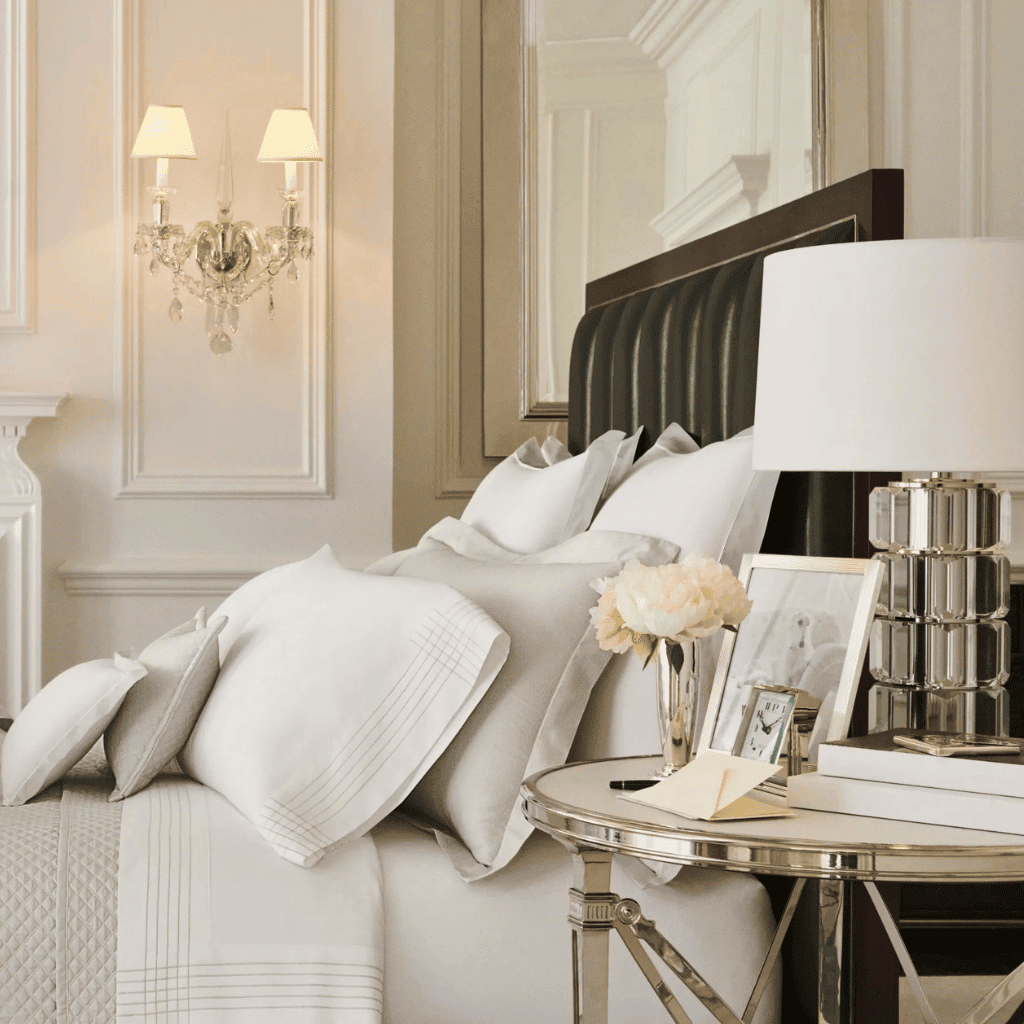
THE Ralph Lauren Lighting Collection
Discover the Ralph Lauren Lighting Collection at Visual Comfort & Co., where equestrian heritage, industrial influences and coastal inspiration shape a timeless American aesthetic. From statement chandeliers and pendants to table lamps and wall sconces, the collection brings warmth and character to varied interiors. Explore its materials, finishes and styling ideas to create a cohesive, layered lighting scheme throughout your home.
How to Select Lighting in the Right Size
Begin with a few measurements:
- Room length, width and ceiling height.
- Table, island, console or nightstand dimensions.
- Junction box and outlet locations.
- Door swings, cabinet openings and walking routes.
- Fixture width, projection and minimum installed height.
Next, use painter’s tape or a paper template to mark the fixture’s footprint. For pendants, a cardboard mock-up can help you judge volume and sightlines.
Dining Tables and Islands
Above a dining table, approximately 30–36 inches between the tabletop and fixture bottom is a useful starting point. However, adjust for the fixture, ceiling height and seated views.
A diameter around one-half to two-thirds of a round table’s width can help establish proportion. Treat this as a design guide rather than a fixed rule.
For islands, measure the entire arrangement. Two broad pendants may work better than three smaller ones, especially when you want clear views.
Walking Areas and Low Ceilings
In a circulation area, head clearance takes priority over visual impact. Therefore, flush mounts and semi-flush mounts often suit lower ceilings.
Check the full installed drop. A fixture’s body height may exclude its canopy, chain or required downrod.
For stairwells and double-height spaces, also plan how someone will clean the fixture and service its light source.
A Room-by-Room Lighting Plan
Use this table to identify the problem before choosing a fixture.
| Room | Main Need | Useful Combination | Common Mistake |
|---|---|---|---|
| Entryway | Clear movement and a welcoming arrival | Ceiling light plus console lamp or sconces | Hanging a fixture too low |
| Living room | Flexible light for relaxing and reading | General light, portable lamps and accents | Relying on ceiling downlights alone |
| Dining room | Comfortable light over the table | Dimmable pendant or chandelier plus background light | Choosing scale without checking glare |
| Kitchen | Clear visibility on work surfaces | General light, under-cabinet lighting and island fixtures | Leaving counters in your own shadow |
| Bedroom | Soft general light and personal task light | Ceiling fixture plus bedside lamps or sconces | Buying lamps that look right but cannot support reading |
| Bathroom | Even facial light and suitable general light | Mirror lighting plus ceiling lighting | Using one downlight directly above the face |
| Home office | Focused work light without screen reflections | Adjustable task lamp plus general light | Pointing a bright lamp at the monitor |
| Laundry or utility room | Clear, practical visibility | Broad ceiling light plus task lighting where needed | Using a decorative fixture with weak output |
| Hallway and stairs | Consistent visibility along the route | Ceiling lights, sconces or step lighting | Creating bright spots between dark stretches |
Entryways: Balance Presence With Clearance
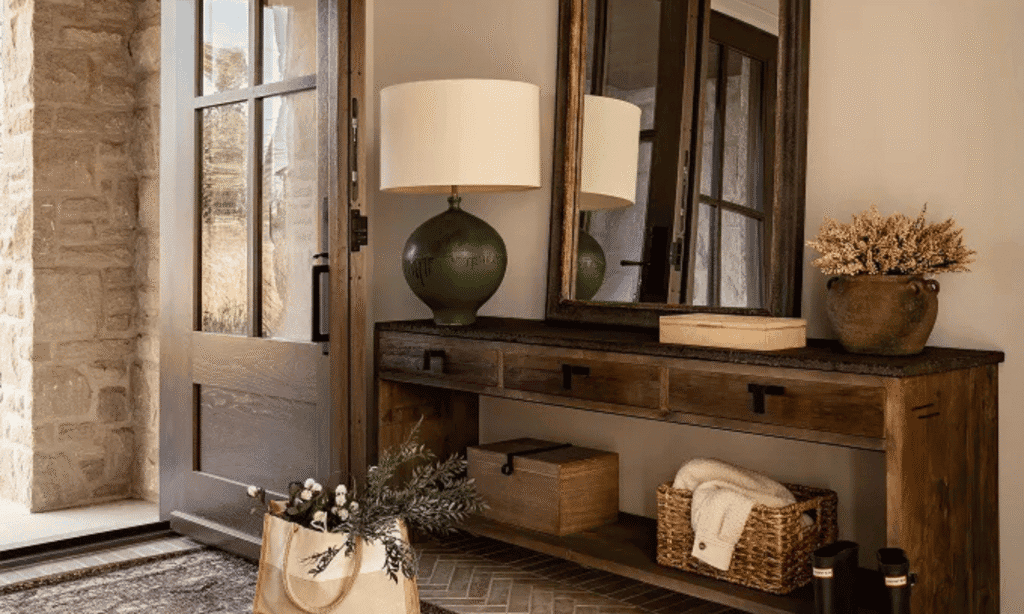
An entry fixture should suit the space while leaving doors and walking routes clear. For a compact foyer, a broad flush-mount can offer presence without a deep drop.
Meanwhile, a console lamp adds a softer evening layer. If surface space is tight, consider wall sconces instead.
In a tall entrance, a chandelier can connect the upper volume to the room below. However, confirm installation access and future maintenance before choosing an elaborate design.
Living Rooms: Light the Seating Areas
Start with where people sit, read and gather. Then place lamps close enough to serve those activities.
A shaded table lamp can soften a seating group. In contrast, an adjustable floor lamp gives a reader more control.
For television viewing, keep bright sources out of the screen’s reflection. Also test the room from each seat, since an exposed bulb may look comfortable from one angle and harsh from another.
Dining Rooms: Prioritize Faces and Food
A dining fixture should illuminate the table without making guests stare into bright bulbs.
Therefore, compare shades, diffusers and light direction alongside the overall shape. Clear glass may look airy, but it can leave the source exposed.
Add background light through sconces, a sideboard lamp or nearby architectural lighting. As a result, the table feels connected to the room after you dim the main fixture.
Kitchens: Light the Work Surface First
Kitchen lighting must reach counters, sinks and preparation areas. However, ceiling lights behind your body can leave those surfaces in shadow.
Under-cabinet lighting helps solve that problem. Check its placement and diffusion, especially above glossy counters.
For islands, distinguish decorative light from task light. A pendant may create a focal point while still needing support from other fixtures.
Also consider cleaning. Open shades and intricate details can collect grease near cooking areas.
Bedrooms: Give Each Person Control
Bedroom lighting should support dressing, reading and winding down. Therefore, combine soft general light with a dedicated bedside source.
For shared rooms, give each side its own switch. Adjustable reading lights can also reduce spill toward the other sleeper.
Test lamp height while sitting in bed. The shade should screen the bulb while allowing useful light to reach the page.
Meanwhile, wall-mounted fixtures free nightstand space. Their limitation is placement: hardwired sconces work best when you have settled the bed’s position.
Bathrooms: Light the Face Evenly
Mirror lighting should help you see your face without strong shadows. Fixtures beside the mirror can provide useful cross-light, while a well-designed light above it may suit narrower layouts.
However, general ceiling lighting still matters. Shower areas may also require their own suitable fixture.
Choose products with the appropriate location rating. Have your installer confirm local requirements, permitted placement and suitability near water.
Home Offices: Control Reflections
A home office needs comfortable general light plus focused task light.
Place an adjustable lamp where it illuminates paperwork without reflecting in the monitor. In addition, check whether your hand casts a shadow across the desk.
For video calls, soft light from in front of you usually works better than a bright source behind you. However, avoid pointing a bare lamp directly toward your eyes.
Children’s Rooms and Guest Rooms: Keep Controls Simple
Children’s rooms benefit from stable fixtures, managed cords and light for reading or play. Avoid fragile lamps where active play makes them easy to knock over.
Meanwhile, guest rooms need switches that visitors can find easily. A bedside lamp should be reachable without leaving the bed.
For either room, choose light sources that are straightforward to replace and maintain.
Laundry Rooms, Closets and Utility Spaces: Choose Visibility
These spaces need enough light to see labels, stains, shelves and stored items.
Therefore, prioritize broad coverage and good colour rendering. In deep closets, shelf or vertical lighting may work better than a ceiling fixture alone.
Check suitability and required clearances near stored materials. Also make sure doors do not block the light when opened.
Hallways and Stairs: Maintain Consistent Light
Light the full route rather than creating isolated bright pools.
Sconces can add rhythm, but their projection must suit the passage width. Meanwhile, step lighting can support a lower evening setting.
Plan controls around how people enter and leave the space. However, motion sensors need careful positioning so lights respond when needed.
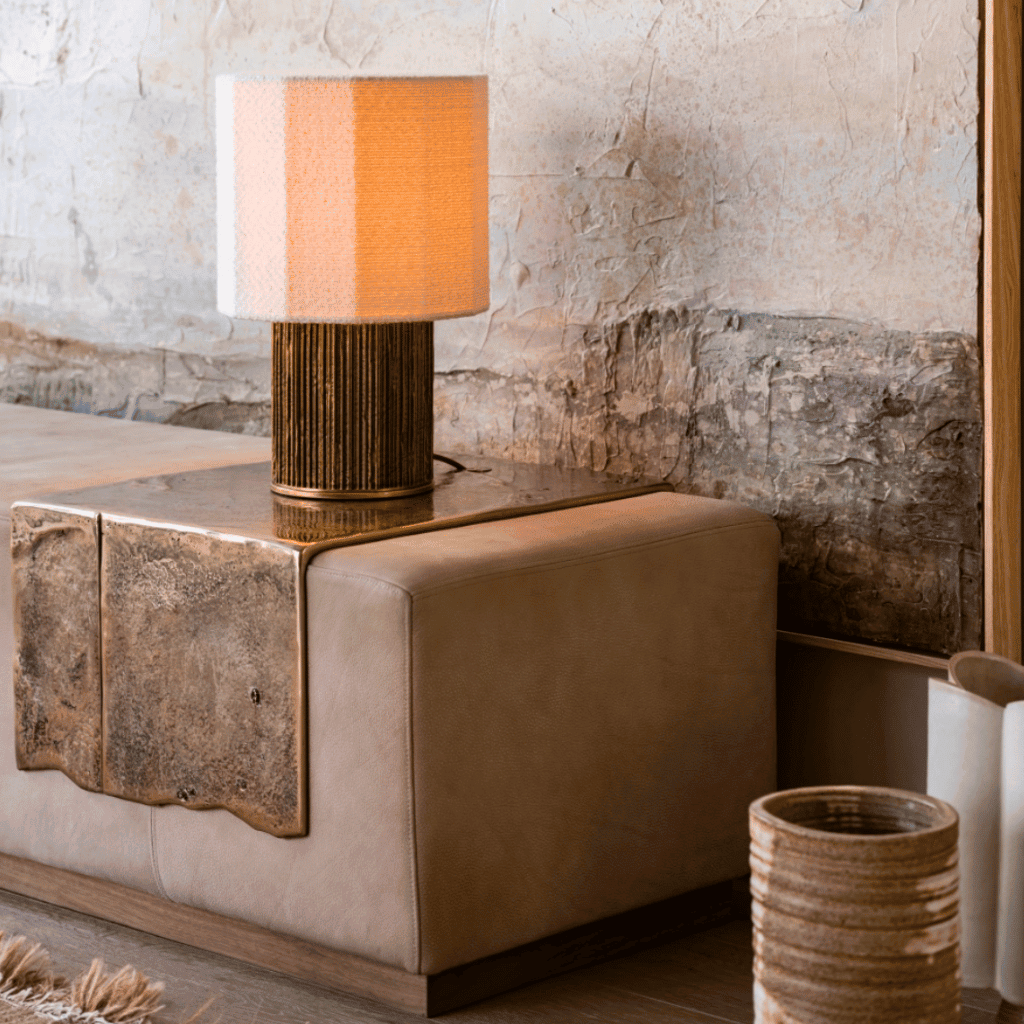
Discover Kelly Wearstler Lighting
Explore Kelly Wearstler lighting at Visual Comfort & Co., where sculptural forms, rich textures and vintage influences meet contemporary design. From statement chandeliers to architectural sconces and distinctive lamps, the collection brings depth and personality to interiors. Discover its signature materials and styling ideas for creating layered lighting throughout your home.
Compare Fixture Types and Their Trade-Offs
Knowing how to select lighting also means deciding how permanent, adjustable and serviceable each fixture should be.
| Fixture Type | Best Suited To | Main Benefit | Main Limitation |
|---|---|---|---|
| Replaceable-bulb fixture | Buyers who value simple maintenance | Bulbs can change output or colour temperature | Bulb choice affects appearance and dimming |
| Integrated LED fixture | Buyers seeking slim or sculptural forms | Allows designs that conventional bulbs cannot | Repair depends on access to compatible parts |
| Plug-in lamp | Renters and flexible layouts | Easy to move and reposition | Needs an outlet and cord management |
| Hardwired sconce | Planned bedside or wall lighting | Saves surface space | Relocation may require electrical work |
| Rechargeable lamp | Occasional accent light away from outlets | Portable and convenient | Runtime and brightness need checking |
| Recessed fixture | Discreet general or accent lighting | Keeps ceilings visually quiet | Placement and glare control require planning |
Integrated LED does not automatically mean disposable. However, ask whether the driver and LED module can be replaced, by whom and at what cost.
For rechargeable lamps, check runtime at the setting you expect to use. A maximum runtime may refer to the lowest brightness.
Materials, Finishes and Maintenance
A fixture’s material affects both its appearance and its upkeep.
| Material or Shade | Why Choose It | What to Consider |
|---|---|---|
| Linen or fabric | Soft diffusion and texture | Dust, stains and replacement shade availability |
| Clear glass | An open, visually light appearance | Visible bulbs, fingerprints and glare |
| Opal or etched glass | A more diffused glow | Cleaning access and replacement glass |
| Alabaster or natural stone | Character and softly varied light | Weight, natural variation and material-specific care |
| Painted or plated metal | A defined colour or finish | Cleaning instructions and finish durability |
| Unlacquered brass | A finish that develops patina | Visible change and uneven ageing |
Choose finishes around your tolerance for change. For example, a living finish suits someone who enjoys patina, but may frustrate someone seeking a uniform appearance.
Before cleaning, turn off the fixture and let it cool. Then follow its care instructions, since glass, stone, fabric and metal can need different treatment.
Explore Lighting From Visual Comfort & Co.
Once you know how to select lighting for your space, the partner range becomes easier to navigate.
Visual Comfort & Co. offers ceiling, wall, table, floor and outdoor lighting, alongside cordless and rechargeable options. Use those categories to solve a defined need before comparing decorative details.
Celia Large Left Table Lamp by AERIN
The Celia pairs an asymmetrical, stone-inspired base with an oversized linen shade. It suits living rooms and bedrooms where a lamp should contribute texture as well as light.
Best for: A substantial console, generous nightstand or relaxed seating area.
Trade-off: The shade needs space. Therefore, check its full width against the furniture and nearby objects.
Treat it as a decorative layer first. For prolonged reading, assess its placement and useful output separately.
Discover more: Discover the Elegant AERIN Lighting Collection
Boule 48-Inch Chandelier by Verena Brausch
The Boule combines a ring form with etched glass shades and integrated LEDs. Its 48-inch width makes it an option for generous dining rooms or larger open spaces.
Best for: Buyers seeking a broad, contemporary focal point.
Trade-off: Its scale can overwhelm a smaller setting. In addition, confirm dimming compatibility, installed height and LED service options.
Wall Lighting for Compact Bedrooms
Visual Comfort & Co.’s wall-lighting range offers an alternative to bedside lamps.
Best for: Small nightstands and bedrooms with a settled furniture plan.
Trade-off: Not every decorative sconce directs enough light toward a book. Therefore, compare adjustability, switch access and beam direction.
Cordless and Rechargeable Accent Lighting
Portable lighting can add a soft layer to a dining table, shelf or console away from an outlet.
Best for: Flexible styling and occasional evening use.
Trade-off: It may provide accent light rather than enough output for detailed work. Also confirm charging arrangements, battery serviceability and location rating.
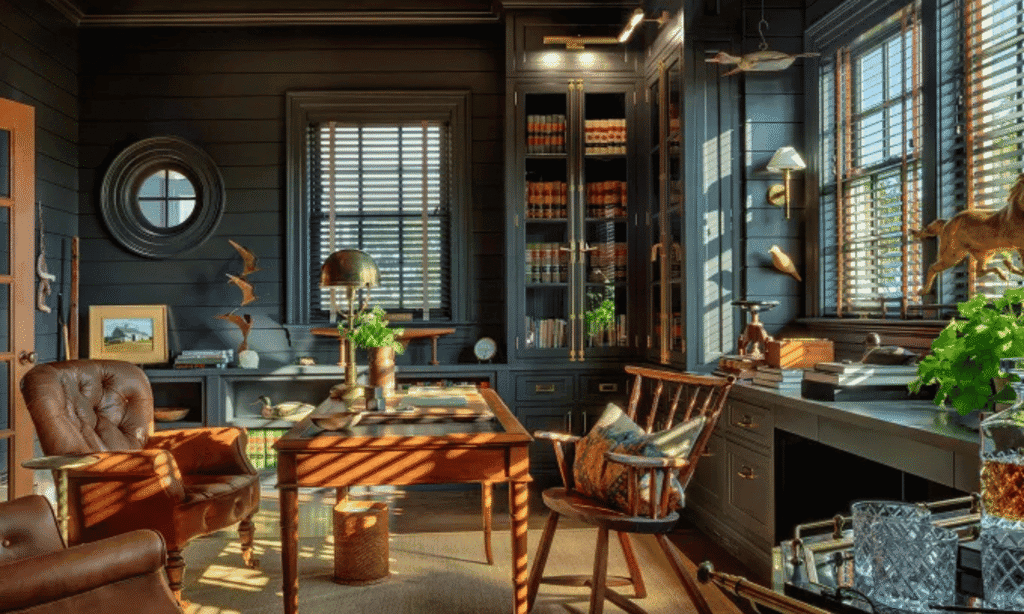
How to Select Lighting Within Your Budget
Compare the complete installed cost rather than the fixture price alone.
Include bulbs, dimmers, delivery, taxes, installation and any required ceiling repairs. Heavy fixtures may also need additional support.
Next, spend where the improvement will matter most. Under-cabinet lighting may transform a kitchen more than a decorative pendant, while bedside task lights can improve a bedroom immediately.
For a phased project, establish wiring and controls first. Then add portable and accent lighting as the budget allows.
Practical Questions Before You Order
How Much Light Does a Room Need?
There is no single lumen total that suits every room of the same size.
Ceiling height, surface colours, fixture distribution and personal needs all affect the answer. Therefore, plan light at the task surface as well as across the room.
For a complex renovation, ask a lighting professional to assess output and placement. This is especially useful in large, dark or unusually shaped spaces.
How Long Should Lighting Last?
Separate the fixture’s expected service life from the rating of its bulb or LED system.
A quoted LED life does not guarantee that every component will last as long. Drivers, controls and batteries may need attention sooner.
For perspective, 25,000 operating hours equals roughly 17 years at four hours per day. However, that calculation is not a product guarantee.
Ask what the lifetime rating means and which parts remain replaceable.
What Warranty Applies?
At the review date, Visual Comfort & Co.’s published U.S. limited warranty generally lists one year from purchase for products.
It lists separate coverage for integrated electronics and LEDs: five years or 50,000 hours from installation, whichever comes first.
However, exclusions and product-specific provisions apply. Confirm coverage for the exact item, seller and destination, including whether labour or removal costs are covered.
Can You Return a Fixture After Installation?
Do not assume so.
At the review date, Visual Comfort & Co.’s U.S. retail and trade return policy requires prior authorization and receipt within 30 days of delivery. Eligible returns generally incur a 15% restocking fee plus return shipping.
Installed, modified, customized and specified final-sale items are excluded. The policy also states that international orders are final sale.
Therefore, inspect the item promptly and confirm dimensions, finish and terms before installation. Purchases through another seller may follow that seller’s policy.
What Should You Check Before Installation?
Use this final checklist:
- Confirm the exact model, finish and dimensions.
- Check voltage, certification and location rating.
- Verify canopy coverage and mounting requirements.
- Confirm bulb, driver and dimmer compatibility.
- Inspect glass, shades and finishes for damage.
- Retain packaging until you have resolved any concerns.
- Confirm delivery timing against the project schedule.
For Canada and other international destinations, also verify shipping eligibility, duties and local electrical suitability before ordering.
Discover Barbara Barry Lighting
Explore Kelly Wearstler lighting at Visual Comfort & Co., where sculptural forms, rich textures and vintage influences meet contemporary design. From statement chandeliers to architectural sconces and distinctive lamps, the collection brings depth and personality to interiors. Discover its signature materials and styling ideas for creating layered lighting throughout your home.
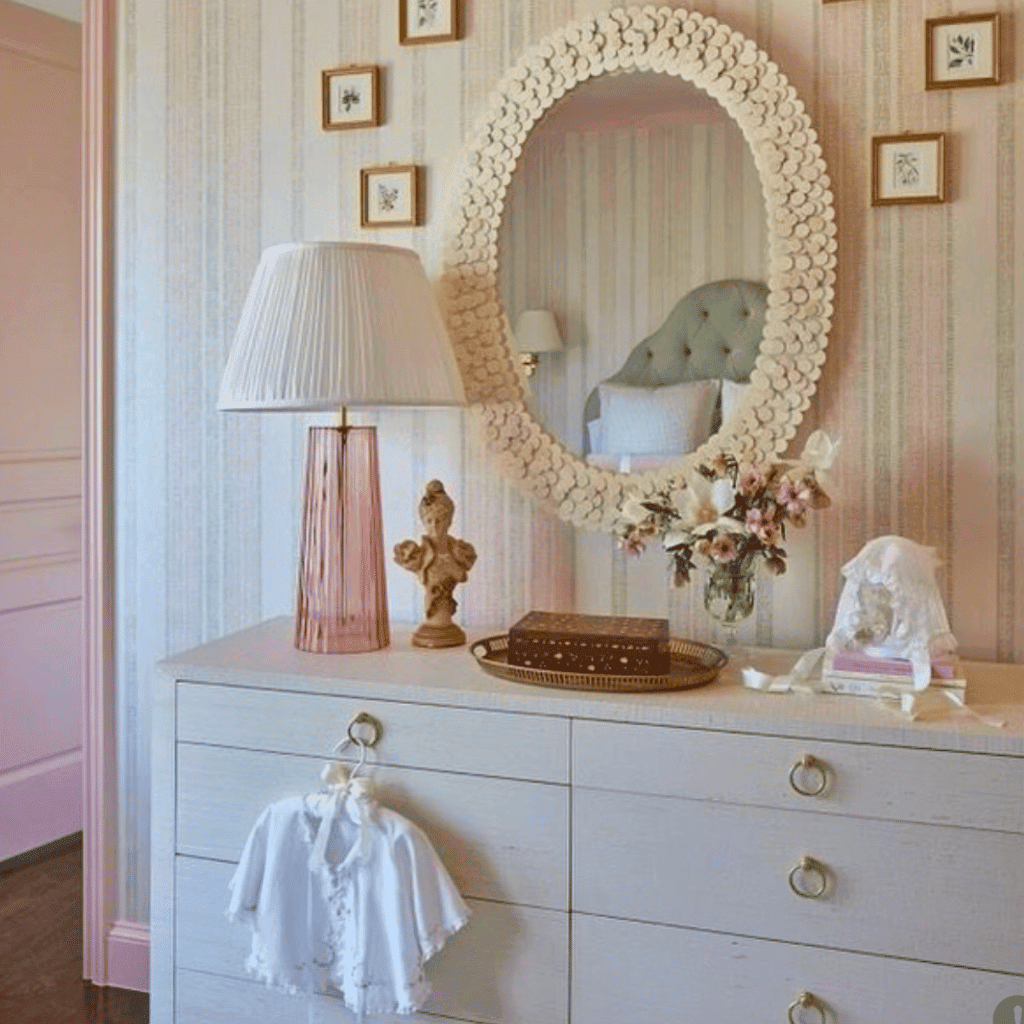
The Best Lighting Choice Depends on Your Needs
Learning how to select lighting starts with the way you live. Choose useful output, comfortable placement and suitable controls, then refine the decorative details.
For renters and changing layouts, plug-in lamps offer flexibility. For compact bedrooms, well-positioned sconces save surface space.
For busy kitchens, prioritize counter lighting and easy-care fixtures. Meanwhile, dining rooms and generous entryways can justify a statement chandelier once scale and glare are resolved.
For simple long-term maintenance, consider replaceable bulbs and readily available parts. For slim, sculptural designs, integrated LEDs may suit you better when service options are clear.
The strongest lighting plan gives each source a purpose. Visual Comfort & Co. offers options across those roles; the right combination depends on your room, routines and budget.
Related Resources
- Visual Comfort & Co. Lighting: Explore the Collections
- LXURI Welcomes Visual Comfort & Co.: A New Era of Luxury Lighting
- Discover the Stunning Champalimaud Lighting Collection
- Inspired Patio Décor Ideas for Your Outdoor Space
- Bookshelf Décor Ideas: Discover Stunning Designer Style
- Design the Ultimate Basement Home Theatre
Research References — Separate From Publication Copy
Manufacturer guidance informed the discussion of layered light, colour temperature, colour rendering and dining-table placement. visualcomfort.com
Featured product descriptions and shopping categories were checked against Visual Comfort & Co.’s published pages. Visual Comfort
Warranty and return summaries reflect the published U.S. policies reviewed for this guide. visualcomfort.com
LED performance and lifespan distinctions draw on U.S. Department of Energy guidance. Department of Energy
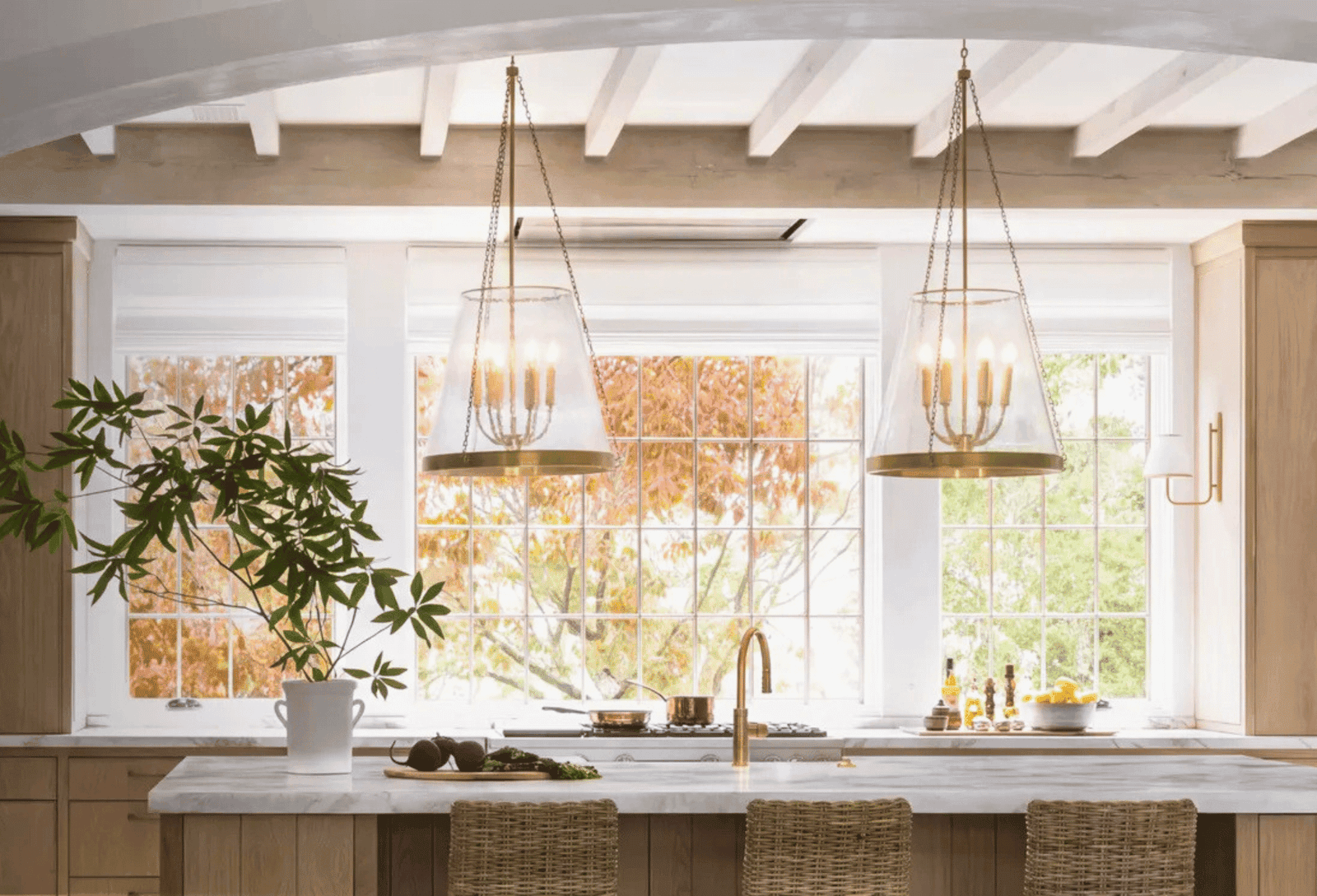
Discover How to Select Lighting for Every Room
Affiliate Disclosure: Some links on this page are affiliate links. If you purchase an item through one of our[…]

Resort vs. Boutique Hotel: Which Is Right for Your Trip?
Should your hotel be the destination or your base for exploring? Compare luxury resorts and boutique hotels, understand the[…]

Cashmere Buying Guide: How to Evaluate Quality
What makes cashmere worth the investment? Learn how to assess fibres, construction, fit and care requirements, then explore Pura[…]

Italian Glamour: The Etro Holiday Capsule at Mytheresa
Explore the Etro Holiday Capsule at Mytheresa, where signature paisley prints meet plush velvet and expressive eveningwear. Discover how[…]

Noah Kahan: The Sound, Story and Style of a Folk-Pop Star
From his rural Vermont roots to sold-out stadiums, Noah Kahan has turned deeply personal stories into a shared soundtrack.[…]

Ultra Chic Fall 2026 Boot Trends
Sleek heels, rich brown suede and polished riding boots set the mood for autumn. Discover LXURI’s edit of standout[…]