
Affiliate Disclosure: Some links on this page are affiliate links. If you purchase an item through one of our affiliate links, LXURI may earn a commission at no additional cost to you. Our partnerships may influence which products or brands we feature, but they do not determine our editorial opinions or recommendations.
Introduction: The Marias: Indie Pop’s Bilingual Dreamscape
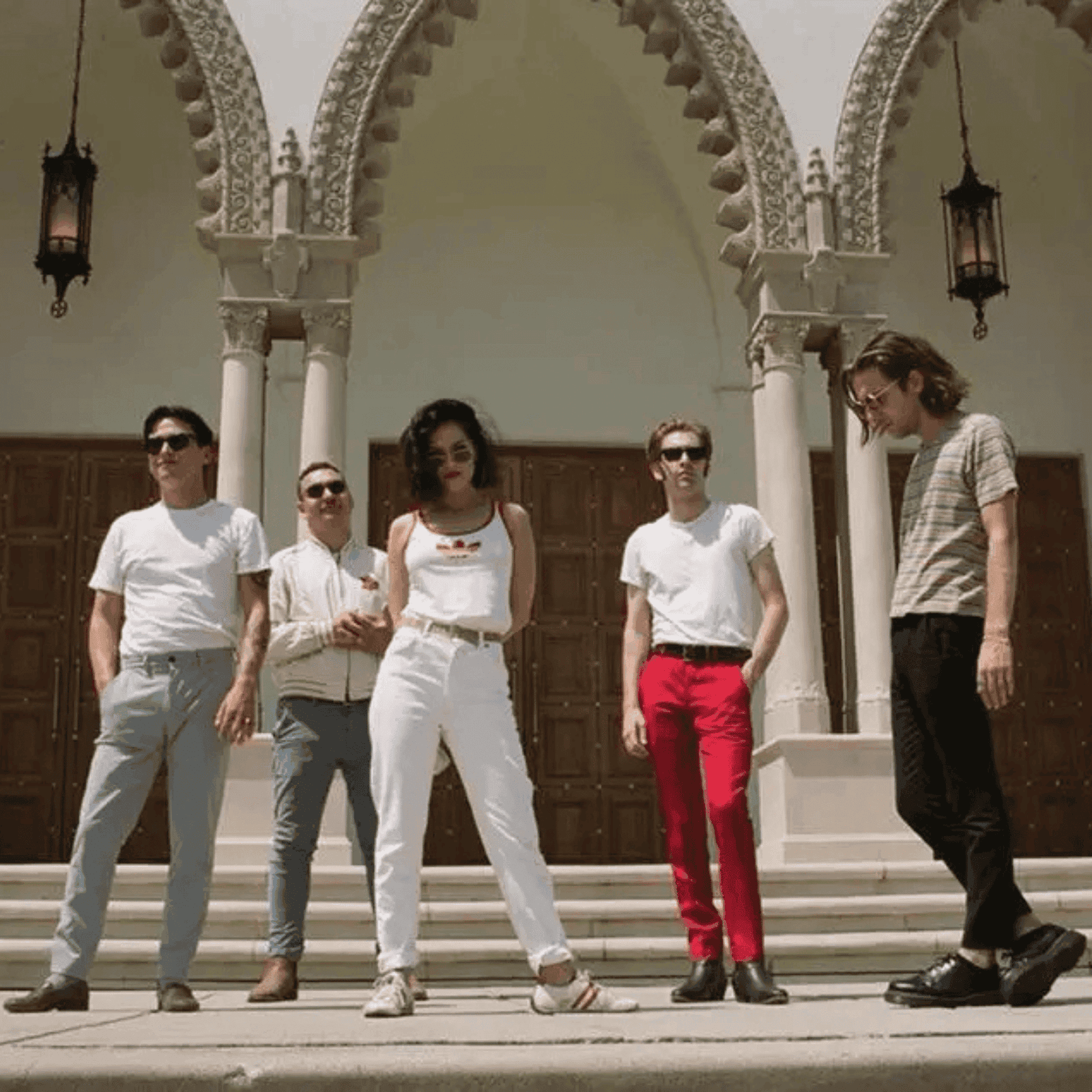
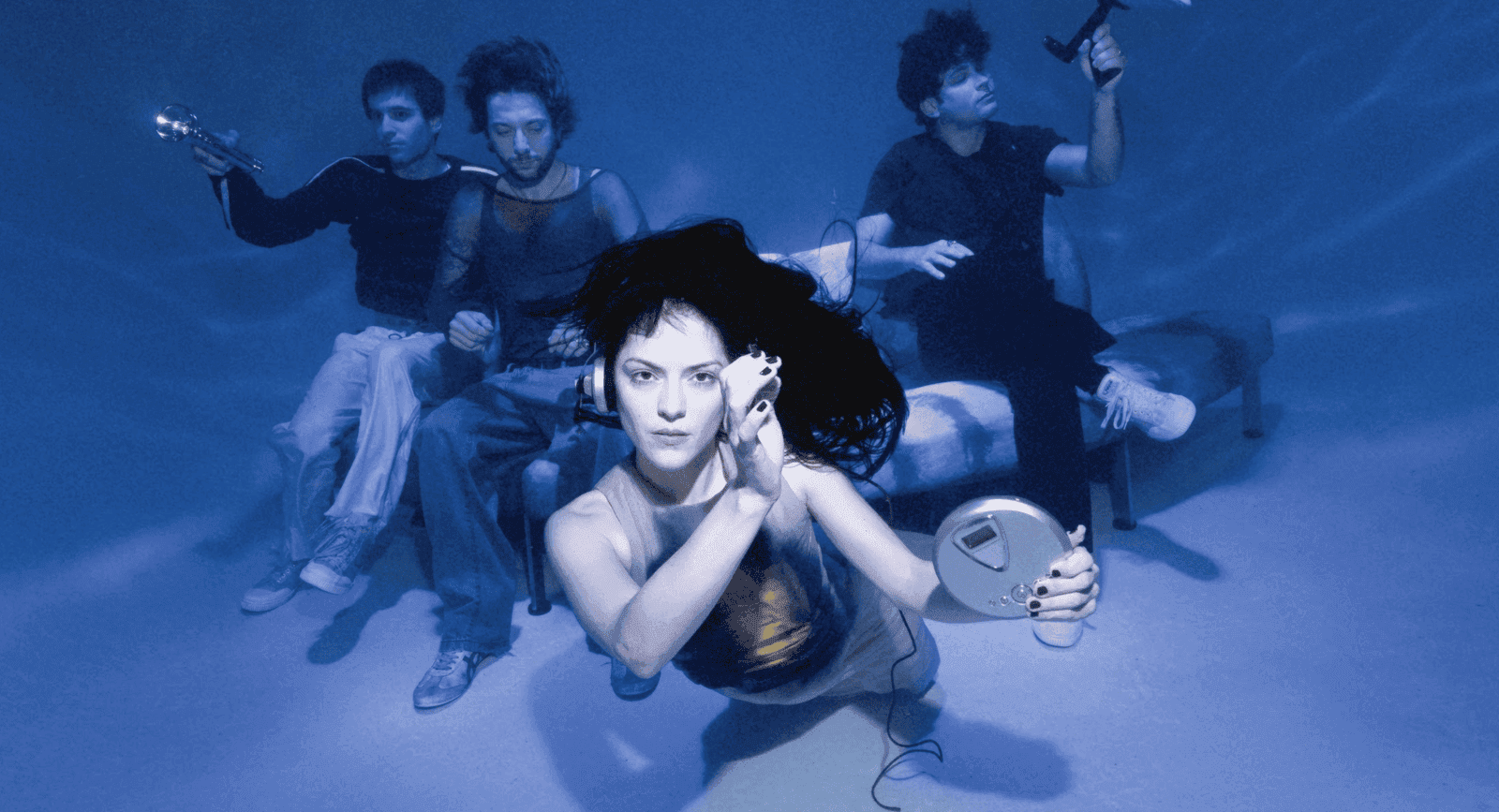
Few modern bands capture atmosphere quite like The Marías. Emerging from Los Angeles with a sound that feels both intimate and cinematic, the indie pop quartet has carved out a distinct space in today’s alternative music landscape. Their music flows seamlessly between English and Spanish, blending soft vocals, jazz percussion, sensual guitar riffs, and warm horn solos into something hypnotic.
At the center is vocalist María Zardoya, whose breathy delivery defines the band’s signature mood. Alongside drummer and producer Josh Conway, the group crafts songs that feel like late-night conversations bathed in neon light.
In an era dominated by algorithm-driven singles, The Marias stand out for their cohesive aesthetic. Their world is immersive. Their sound is fluid. And importantly, their style extends far beyond music, influencing fashion and visual culture along the way. Discover more artists on our blog.
Early Life and Musical Foundations
Before The Marias became a global indie sensation, the story began with two creative minds crossing paths in Los Angeles. María Zardoya was born in Puerto Rico and later moved to Atlanta before settling in California. As a child, she absorbed both Latin rhythms and American pop influences. Therefore, bilingual storytelling became second nature.
Meanwhile, Josh Conway grew up immersed in jazz and film scores. His fascination with rhythm and cinematic structure shaped the band’s sonic identity. When María and Josh met, their chemistry was immediate. They began experimenting with dreamy melodies layered over jazz-inspired drum patterns.
Soon after, guitarist Jesse Perlman and keyboardist Edward James joined the lineup. As a result, The Marias evolved into a fully realized band rather than a studio project. Their early sessions focused on texture. Soft trumpet lines. Reverb-soaked guitars. Minimalist percussion.
Importantly, their early influences were diverse:
- Jazz legends with smoky brass sections
- Psychedelic rock bands from the 1960s
- Contemporary R&B vocal stylings
- Latin boleros and romantic ballads
Because of this mix, The Marias developed a sound that feels nostalgic yet modern. It is dreamy, but grounded in rhythm.
Fashion Style and Visual Identity
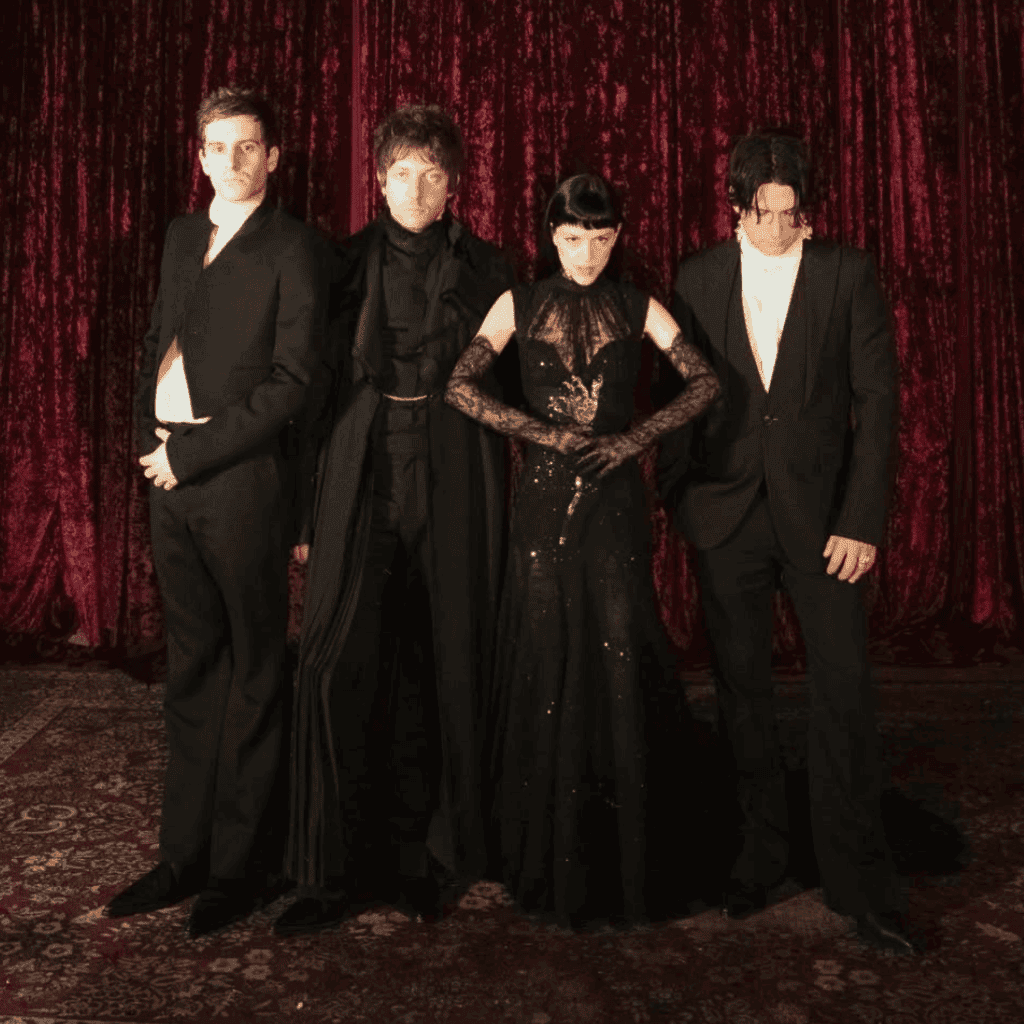
The Marias’ music is atmospheric. Their fashion follows the same philosophy.
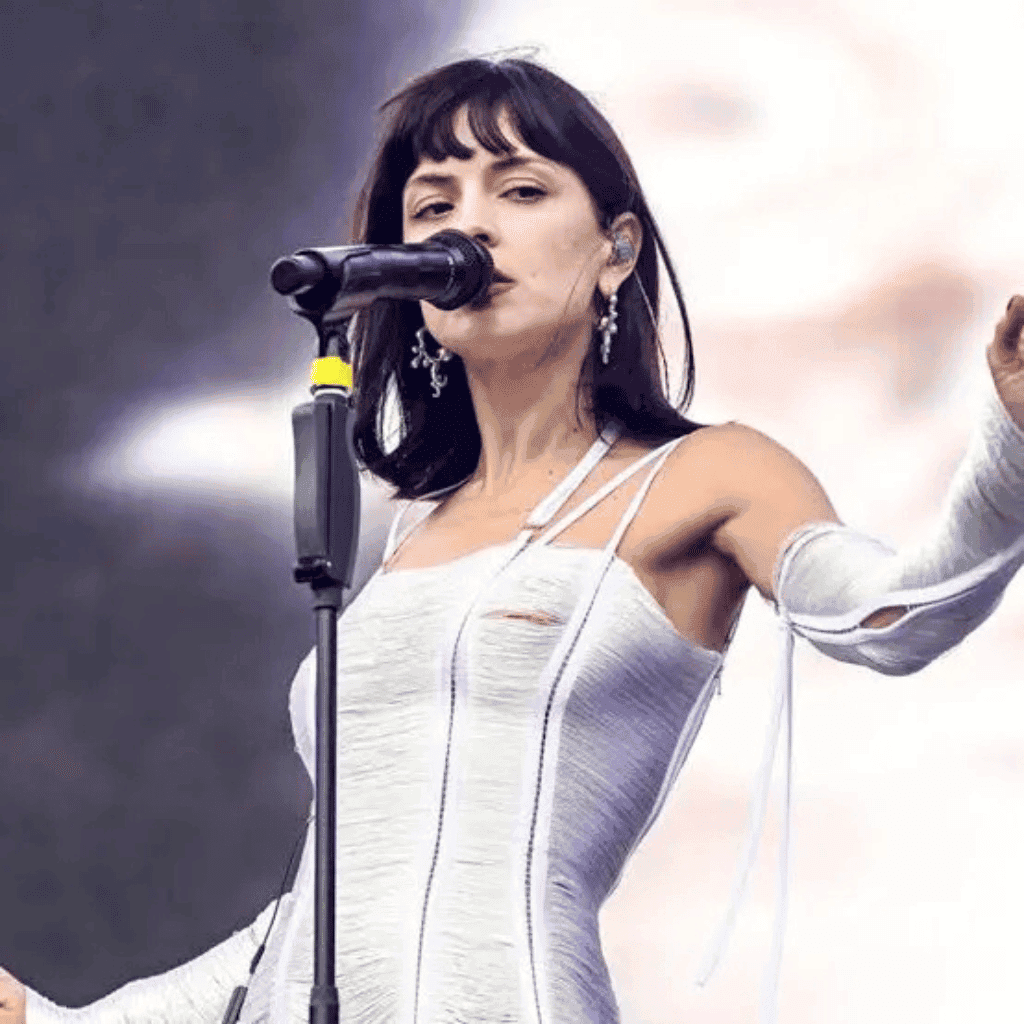
María Zardoya often embraces minimalist silhouettes. She gravitates toward monochrome palettes, satin fabrics, and vintage-inspired tailoring. On stage, she favors sleek dresses, structured blazers, and softly draped ensembles.
Meanwhile, the band’s overall aesthetic leans into cool tones. Blue lighting dominates their performances. As a result, their visual identity feels cohesive and instantly recognizable.
Signature elements include:
- Sheer fabrics layered over clean lines
- Subtle metallic accents
- Retro sunglasses
- Oversized blazers and tailored trousers
Their style echoes designers like McQueen, Saint Laurent, Jacquemus, and Prada. While not always formal collaborators, their aesthetic aligns with these labels’ refined minimalism and modern sensuality.
Editorial shoots often highlight soft lighting and sculptural silhouettes. Therefore, fashion becomes an extension of their music rather than a separate entity.
Designer Collaborations and Fashion Partnerships
Although The Marias are primarily known for music, their presence in fashion circles continues to grow. María has appeared in editorials wearing contemporary luxury labels. Additionally, the band has attended fashion week events, further solidifying their crossover appeal.
Their understated glamour aligns with:
- French minimalist houses
- Contemporary Latin designers
- Independent Los Angeles fashion labels
Rather than bold logos, they favor texture and silhouette. This approach mirrors their musical restraint.
Importantly, their stage styling often incorporates vintage-inspired tailoring. As a result, fans emulate their looks, blending indie cool with refined elegance.
While they may not yet have major commercial fashion collaborations, their influence is visible. Social media platforms frequently feature fan recreations of María’s signature sleek, monochromatic ensembles.
Career Breakthrough and Rise to Recognition
The band’s early EPs quickly gained traction online. Word spread organically. Fans gravitated toward their sultry single “I Don’t Know You,” which showcased María’s delicate falsetto over hypnotic production. Discover The Marias.
However, it was their debut studio album that truly solidified their presence. With lush arrangements and cohesive storytelling, the project earned critical acclaim. Soon after, major festival appearances followed. They performed at global stages, including Coachella, where their moody blue lighting and immersive visuals captivated audiences.
Meanwhile, streaming numbers surged. Their bilingual single “Hush” demonstrated their ability to switch languages effortlessly. As a result, The Marias attracted a diverse international fan base.
Their rise was steady rather than explosive. Therefore, their growth felt authentic. They toured extensively, selling out venues across North America and Europe. Critics praised their restraint. Fans praised their atmosphere.
Most importantly, they maintained creative control. In an industry that often pressures artists to chase trends, The Marias refined their signature sound instead.
Discography and Artistic Evolution
The Marias’ catalog reveals a thoughtful evolution. Their early EPs introduced listeners to dreamy indie pop layered with jazz elements. However, their later releases pushed further into cinematic storytelling.
Early Releases: Establishing the Dream Pop Identity
Their first projects leaned heavily into mood. Songs unfolded slowly. Horn solos drifted gently in the background. Therefore, listeners felt transported rather than entertained.
Debut Album: Cinematic Expansion
Their debut album expanded the sonic palette. Tracks featured richer percussion and more pronounced bass lines. Additionally, lyrical themes explored intimacy, longing, and memory.
María’s bilingual lyrics became more intentional. Switching between English and Spanish added emotional nuance. For many listeners, this dual-language approach felt deeply personal.
Recent Work: Confident and Refined
In more recent releases, The Marias sound assured. Production is tighter. Arrangements are layered with subtle complexity. Meanwhile, themes reflect maturity and self-awareness.
Importantly, the band has maintained their signature jazz percussion and soft horn textures. However, they now experiment with electronic undertones and darker moods.
Their evolution feels organic. Rather than abandoning their roots, they build upon them.
SHOP DESIGNER FASHION AT MYTHERESA
Cultural Influence and Industry Impact
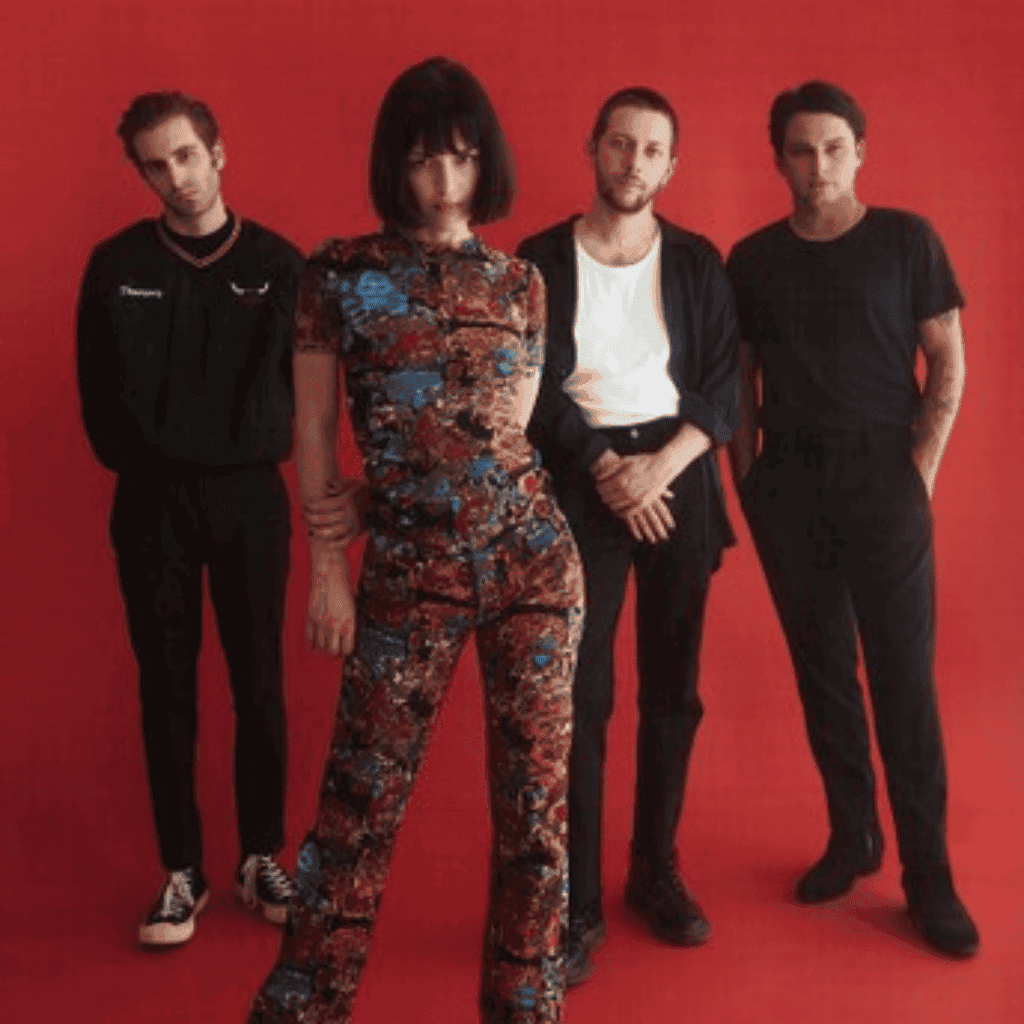
The Marias represent a shift in indie pop. They prove that bilingual music can thrive in mainstream alternative spaces. Therefore, they contribute to broader Latin representation within indie genres.
Their sound challenges genre boundaries. Jazz elements coexist with dream pop. English and Spanish lyrics flow seamlessly. Meanwhile, their visual identity strengthens their brand.
They influence:
- Emerging bilingual artists
- Indie pop production trends
- Fashion-forward stage aesthetics
Importantly, they show that subtlety can be powerful. In a loud digital world, The Marias embrace softness. That restraint resonates deeply with younger audiences seeking authenticity.
Recent Projects and Future Direction
In recent years, The Marias have continued to expand their sonic universe. New singles explore darker tones and introspective lyrics. Production feels more layered. However, their signature intimacy remains intact.
Touring remains central to their strategy. Live shows emphasize mood lighting and immersive soundscapes. Therefore, concerts feel cinematic rather than chaotic.
Looking ahead, fans anticipate further genre experimentation. Given their trajectory, future projects may incorporate more Latin instrumentation or electronic textures.
What remains constant is their commitment to atmosphere. They build worlds rather than trends.
Conclusion: The Marias: Indie Pop’s Bilingual Dreamscape
The Marias have redefined what an indie pop band from Los Angeles can achieve. By blending English and Spanish lyrics with jazz percussion, guitar riffs, and horn solos, they have created a sound that feels timeless and modern at once.
Their fashion presence reinforces their artistic vision. Minimalist silhouettes, monochrome palettes, and vintage tailoring mirror the emotional nuance of their music.
As they continue to evolve, The Marias remain culturally relevant. Their bilingual dream pop speaks to a generation that values identity, mood, and authenticity. Ultimately, The Marias are not just making songs. They are crafting an atmosphere—and inviting the world inside.
SHOP LUXURY MENSWEAR AT MYTHERESA
Explore more editorial content at LXURI:
- Sir Elton John: A Dazzling Life in Music
- Sienna Spiro: Discover Music’s Powerful New Voice
- Ella Langley: Country Music’s Fast-Rising Trailblazer
- Ariana Grande: The Voice Shaping Modern Pop
- Lady Gaga: Music, Fashion, and Cultural Power
- Benson Boone: The Rise of a Pop-Rock Powerhouse
- The Ultimate Guide to Bruno Mars: Soul & Style
- Sombr: The Rising American Singer-Songwriter Redefining Indie Pop
- Billie Eilish: Inside the Life, Music, and Style of a Global Icon
- Tyla: The Global Rise of South African Pop Royalty
- Karol G: The Global Reign of a Latin Pop Icon
- Charli XCX: The Evolution of a Modern Pop Visionary
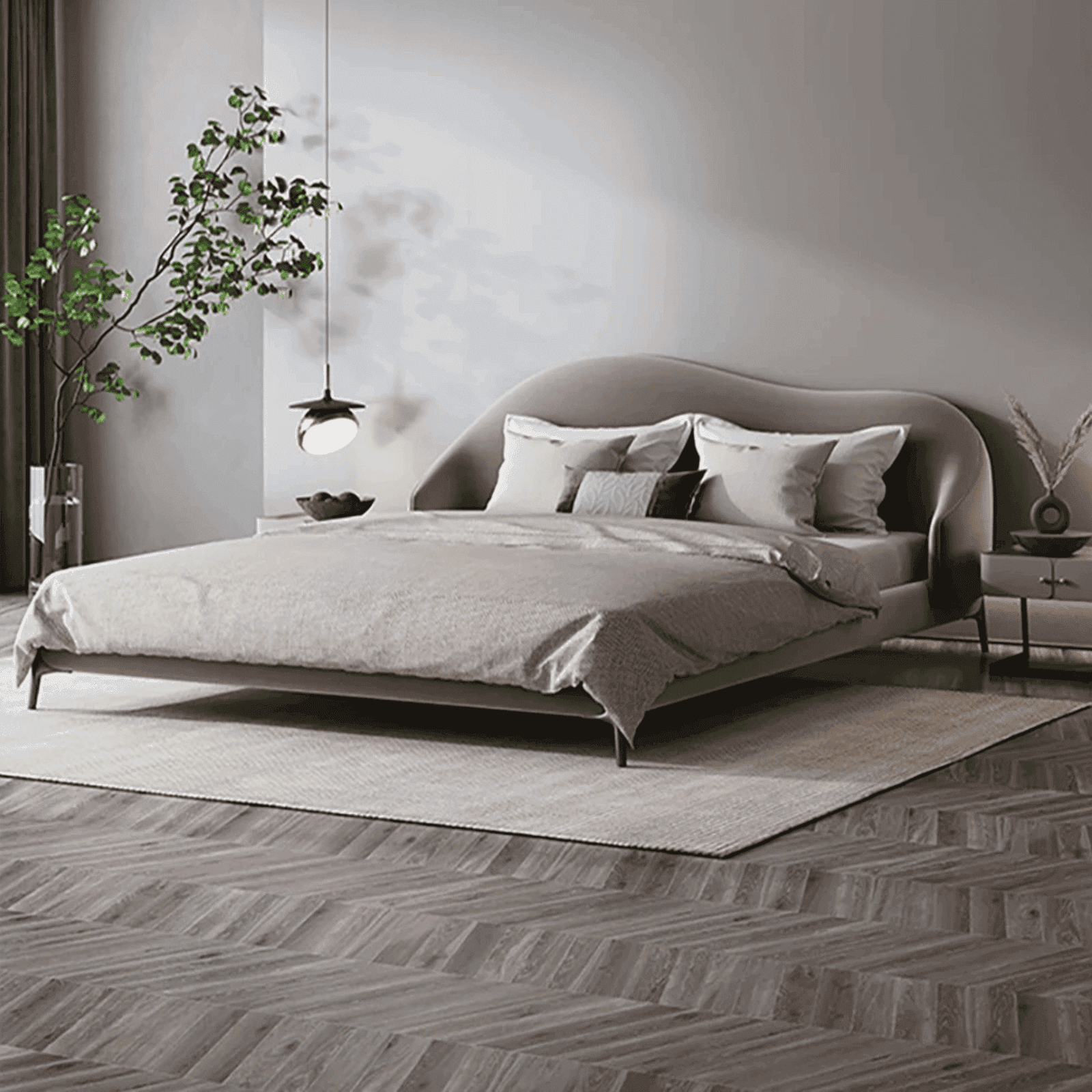
10 Bedroom Interior Design Trends for 2026
As we move into a new era of interiors, bedroom interior design trends for 2026 place a renewed emphasis[…]

10 of the Best Sunscreen Brands for Summer 2026
Summer 2026 is all about healthy, glowing skin paired with smart sun protection. However, choosing the right SPF can[…]
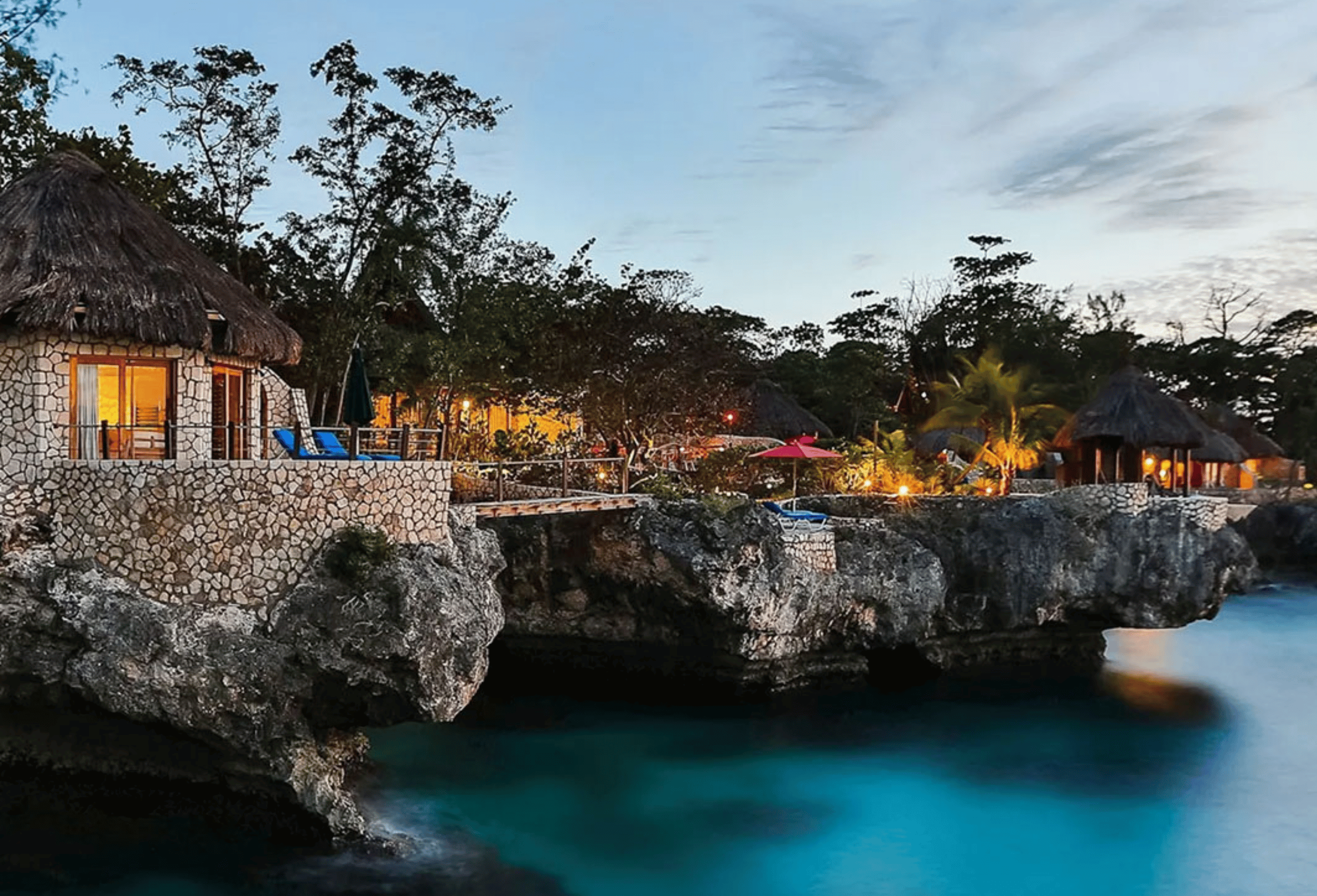
13 Best Boutique Hotels Around the World
Luxury travel has evolved dramatically in recent years. Today, travelers want more than large resorts and traditional hotel chains.[…]

2026 Bachelorette Party Travel Trends: The Ultimate Guide
Bachelorette party travel in 2026 looks dramatically different from what it did just a few years ago.
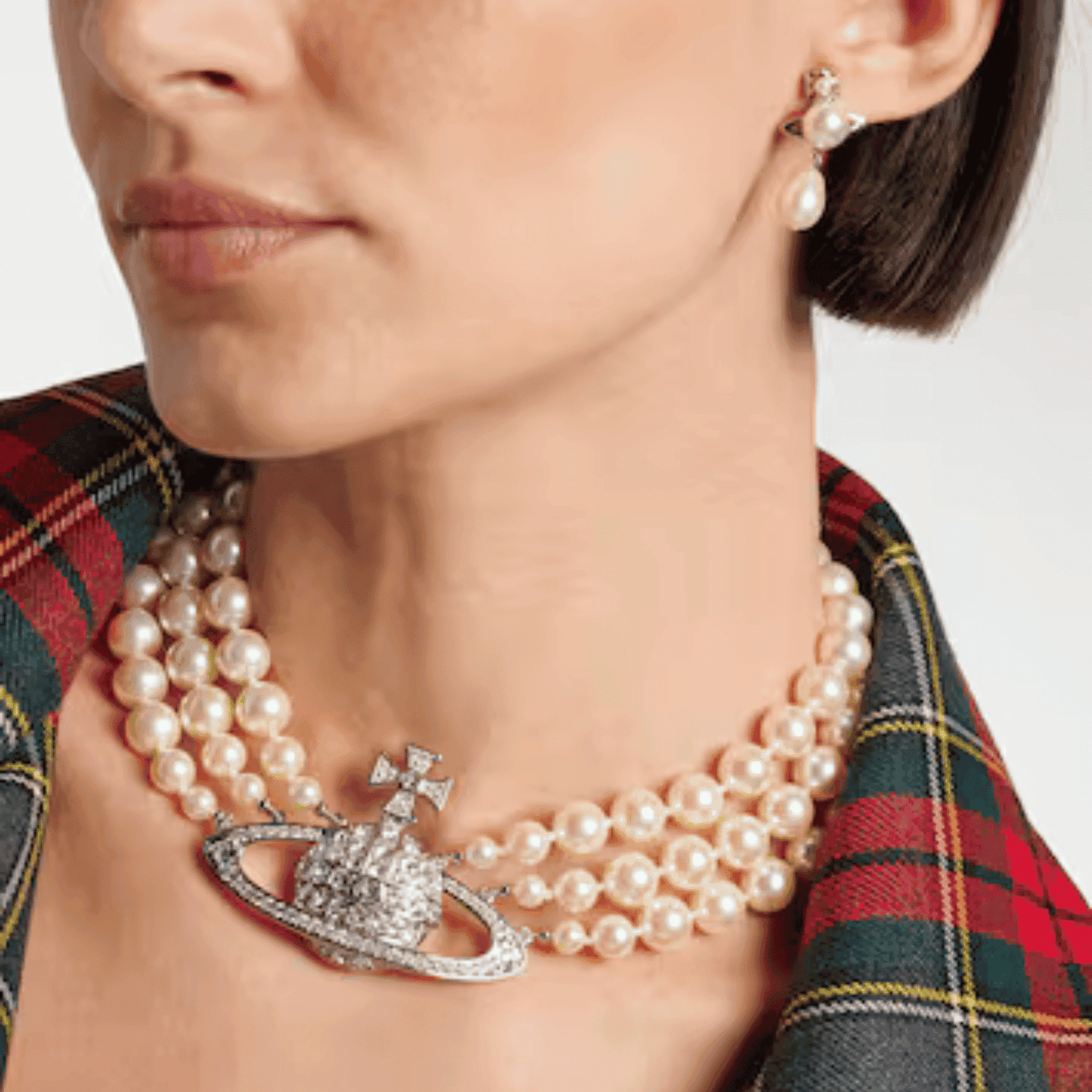
2026 Jewelry Trends to Watch
Throughout this guide, you will discover the most important jewelry trends to watch in 2026. In addition, you will[…]

2026 Luxury Travel Trend: 5-Star Hotels at Sea
Luxury travel in 2026 is evolving. Travelers are no longer satisfied with traditional cruises or static resort stays.