
Affiliate Disclosure: Some links on this page are affiliate links. If you purchase an item through one of our affiliate links, LXURI may earn a commission at no additional cost to you. Our partnerships may influence which products or brands we feature, but they do not determine our editorial opinions or recommendations.
Look: 40 Years of Fashion at the Museum
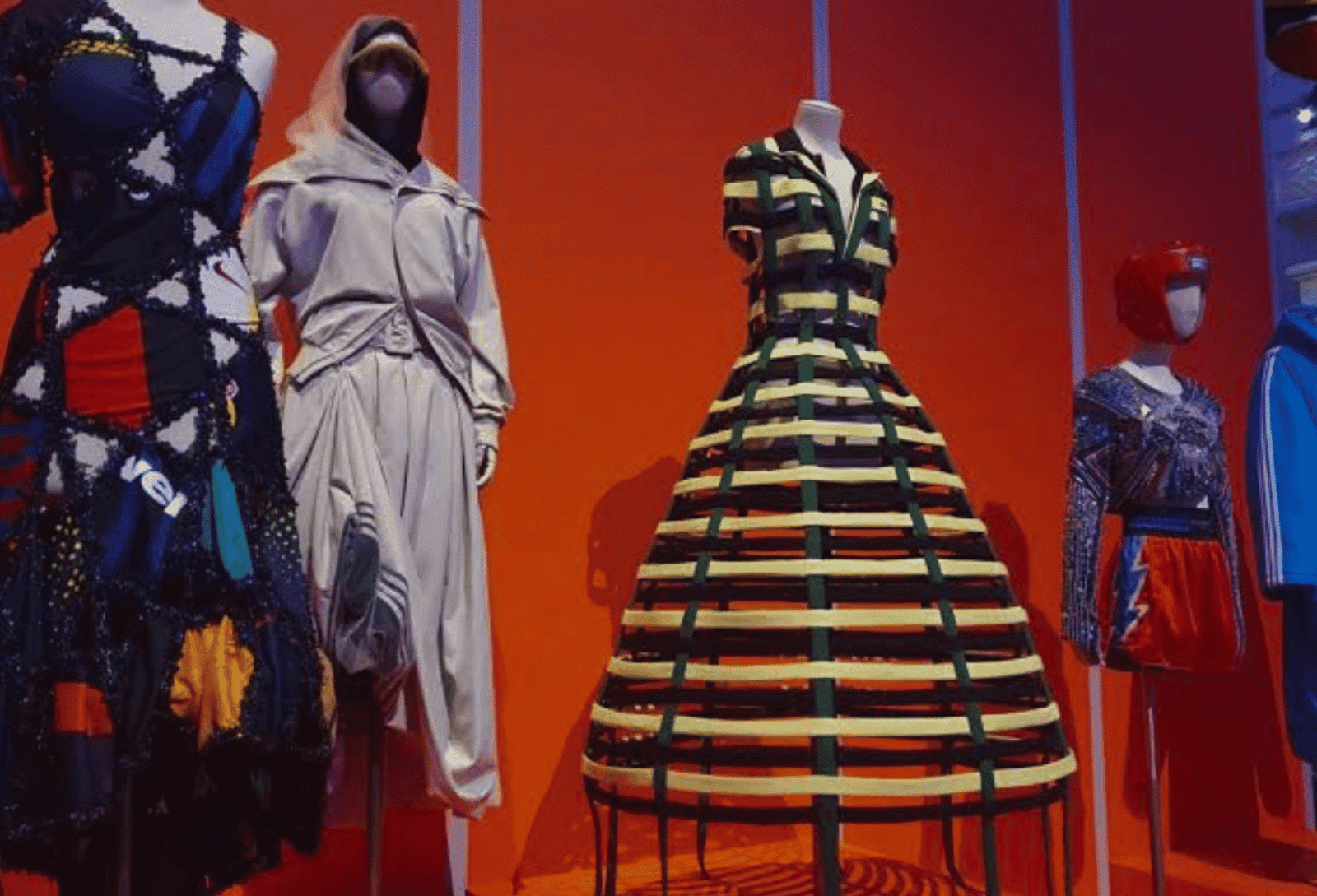
Paris has always treated fashion as more than clothing. In the French capital, fashion becomes craftsmanship, performance, cultural history, and art. The new Paris fashion exhibition, Look: 40 Years of Fashion at the Museum, explores that remarkable transformation through 40 iconic outfits.
Presented at the Musée des Arts Décoratifs, the exhibition celebrates the 40th anniversary of the founding of the Musée des Arts de la Mode within the institution. It opens on September 30, 2026, and continues through April 4, 2027.
However, this is more than a display of memorable garments. Instead, the exhibition takes visitors behind the scenes. It reveals how designers, artisans, photographers, conservators, and museum specialists bring fashion to life.
For travellers planning a cultural escape, the exhibition also offers an ideal reason to rediscover Paris. Therefore, this guide explores the exhibition alongside the city’s finest hotels, restaurants, museums, nightlife, and shopping.
- A Major Paris Fashion Exhibition
- From the Designer’s Sketch to the Runway
- When the Runway Becomes a Stage
- The Craftsmanship Behind Fashion
- When the Runway Becomes a Stage
- The Garment’s Second Life at the Museum
- Why Fashion Belongs in the Museum
- Where to Stay: Top Luxury Hotels in Paris
- Luxury Vacation Rentals in Paris with Vrbo
- Planning Your Visit to Look: 40 Years of Fashion
- Top Things to Do and See in Paris
- The Best Museums and Art Galleries in Paris
- Top Restaurants in Paris
- The Best Bars and Nightclubs in Paris
- The Best Shopping in Paris
- Essential Paris Travel Tips
- A Fashion and Cultural Escape to Paris
- Related Resources
A Major Paris Fashion Exhibition
Look: 40 Years of Fashion at the Museum traces the extraordinary journey of a garment. First, an idea takes shape through sketches, fabric choices, fittings, and detailed handwork. Later, the finished design may appear on a runway, in a photograph, or on a celebrated model.
Eventually, certain garments begin a second life inside a museum collection. There, specialists carefully document, preserve, restore, and display them for future generations.
This Paris fashion exhibition connects those two lives. As a result, visitors can see fashion as both a creative process and a form of cultural heritage.
The 40 featured outfits demonstrate the beauty of design. Meanwhile, supporting objects reveal the many decisions and technical skills behind each completed look.
Inside an Extraordinary Paris Fashion Exhibition
Presented at the Musée des Arts Décoratifs, the exhibition celebrates the 40th anniversary of the founding of the Musée des Arts de la Mode within the institution. It opens on September 30, 2026, and continues through April 4, 2027.
From the Designer’s Sketch to the Runway
Every fashion collection begins with an idea. A designer may start with a drawing, a textile, a historical reference, or a particular silhouette. However, transforming that idea into a finished garment requires collaboration.
The exhibition presents the working materials that help explain this process. Visitors can discover:
- Original fashion drawings and design studies
- Embroidery samples and decorative details
- Patterns used to shape individual garments
- Model and atelier archives
- Fashion photography
- Documents connected to runway presentations
- Conservation and restoration materials
Together, these objects show that fashion depends on both imagination and precision. A single outfit may involve designers, pattern cutters, seamstresses, embroiderers, textile specialists, and stylists.
Therefore, the exhibition gives long-overdue attention to the skilled hands behind fashion’s most recognizable creations.
When the Runway Becomes a Stage
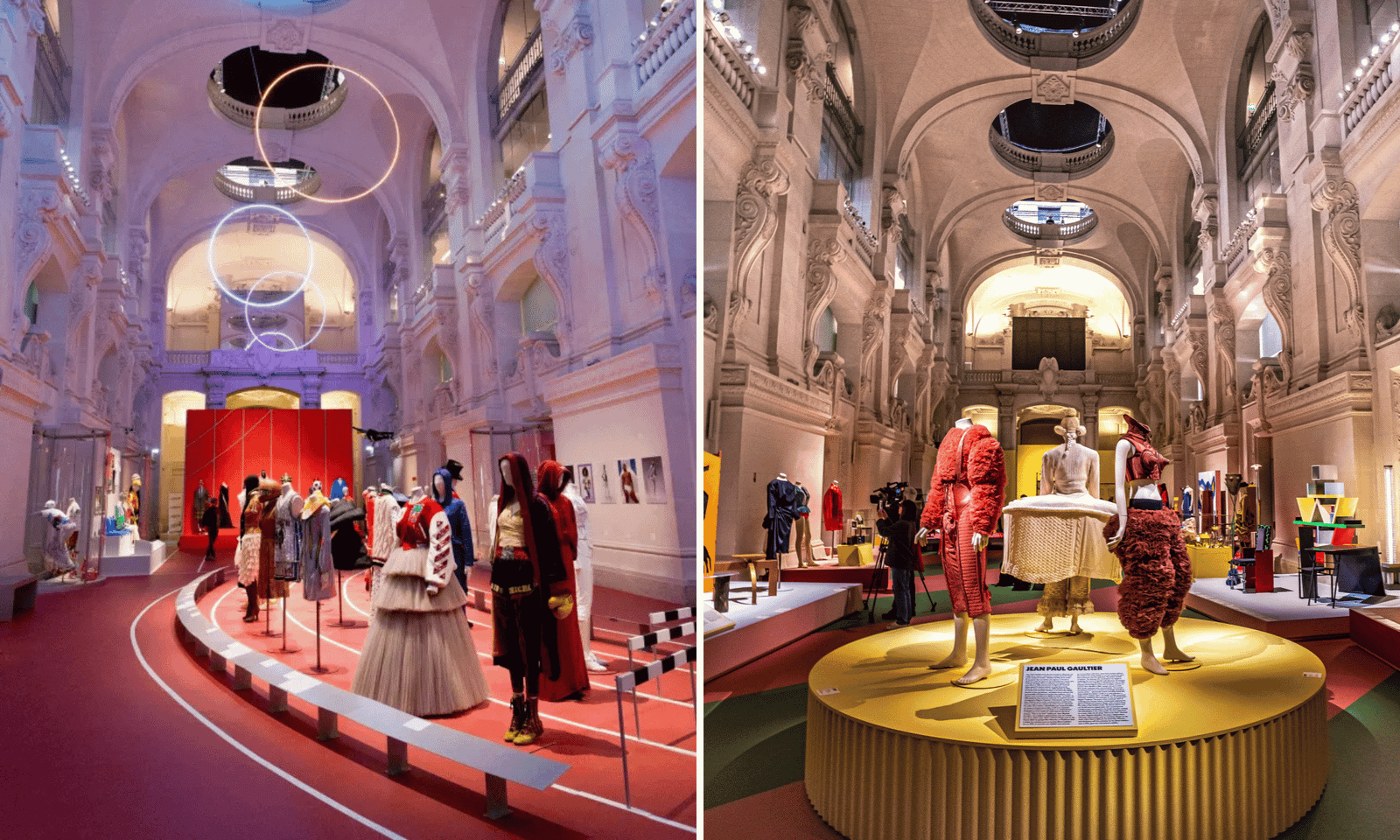
Fashion shows have evolved far beyond simple presentations of new clothes. Today, leading designers use music, architecture, lighting, choreography, and digital effects to create complete artistic worlds.
Models also play an important role in this transformation. Through movement, attitude, and personal identity, they help turn garments into memorable cultural images.
Photography extends that experience beyond the runway. Editorial images, campaign photographs, and backstage portraits can define how the public remembers a collection.
Accordingly, Look: 40 Years of Fashion at the Museum examines how a garment becomes a star. It moves from the intimacy of the workshop to the spectacle of the runway and, finally, into the museum.
The Craftsmanship Behind Fashion
One of the exhibition’s greatest strengths is its focus on technique. Although a finished garment can appear effortless, its construction may involve hundreds of hours of work.
Embroidery can add texture, light, and movement. Meanwhile, expert cutting can shape fabric around the body without making the underlying structure visible. Pleating, draping, tailoring, and hand-finishing give each design its character.
The Paris fashion exhibition places these techniques at the centre of the experience. Consequently, visitors gain a deeper understanding of why exceptional fashion deserves to be preserved alongside painting, sculpture, and decorative art.
The exhibition also challenges the idea that fashion is temporary. Trends may change quickly, yet the finest garments record the aesthetics, technology, and social values of their era.
When the Runway Becomes a Stage
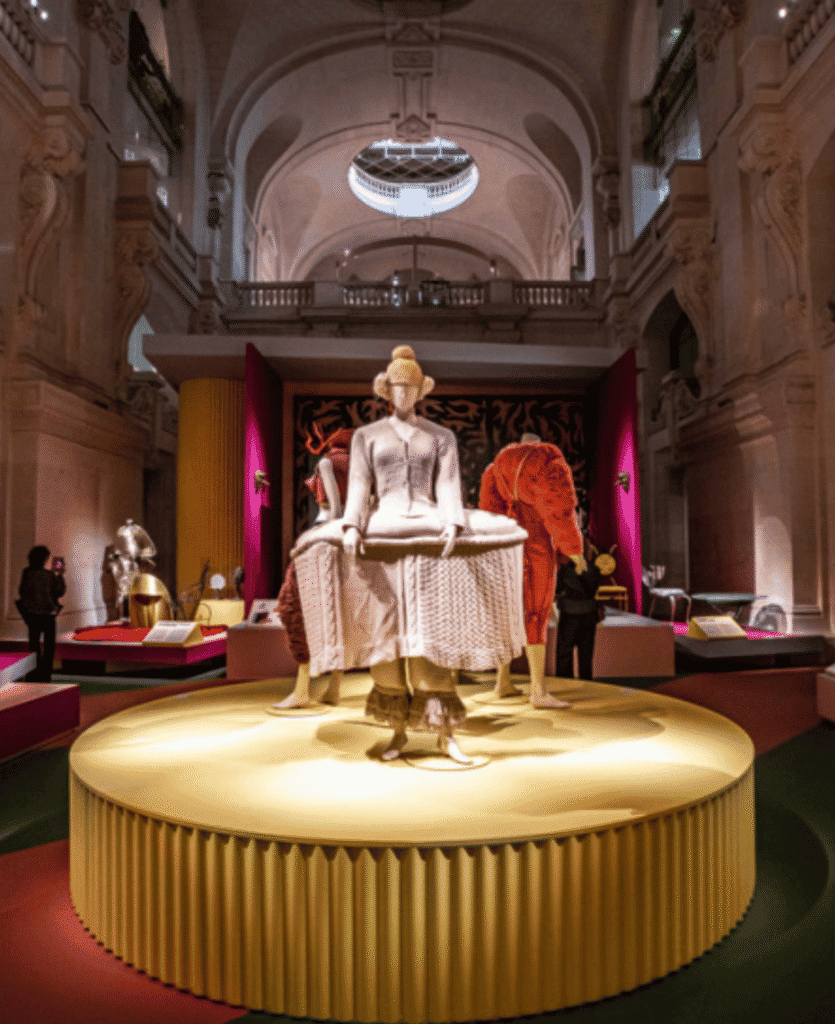
Fashion shows have evolved far beyond simple presentations of new clothes. Today, leading designers use music, architecture, lighting, choreography, and digital effects to create complete artistic worlds.
Models also play an important role in this transformation. Through movement, attitude, and personal identity, they help turn garments into memorable cultural images.
Photography extends that experience beyond the runway. Editorial images, campaign photographs, and backstage portraits can define how the public remembers a collection.
Accordingly, Look: 40 Years of Fashion at the Museum examines how a garment becomes a star. It moves from the intimacy of the workshop to the spectacle of the runway and, finally, into the museum.
The Garment’s Second Life at the Museum
Once a fashion piece enters a museum collection, its purpose changes. It no longer needs to be worn. Instead, it becomes an object of research, education, and preservation.
Museum teams must first study its materials and construction. They may then repair weakened areas, support delicate fabrics, or create a custom form that displays the original silhouette safely.
Light, temperature, humidity, and movement must also be carefully controlled. Otherwise, textiles can fade, stretch, or deteriorate.
This behind-the-scenes work is often invisible to visitors. Nevertheless, it plays an essential role in protecting fashion history. The exhibition brings that work forward and presents conservation as its own form of expertise.
Why Fashion Belongs in the Museum
Fashion reflects the world in which it was created. A garment can reveal changing ideas about beauty, gender, identity, status, and personal freedom. In addition, it can preserve rare techniques that might otherwise disappear.
The best fashion also rewards close examination. A seam, fastening, embroidered surface, or carefully balanced proportion may reveal as much creative thought as a painting or sculpture.
This Paris fashion exhibition encourages visitors to look beyond a garment’s label or famous wearer. Instead, it asks them to study how the piece was imagined, made, presented, and preserved.
Ultimately, the exhibition argues that fashion is both a living industry and a significant cultural record.
Where to Stay: Top Luxury Hotels in Paris
Choosing the right neighbourhood can shape the entire Paris experience. These six luxury hotels offer distinct interpretations of contemporary Parisian hospitality. Explore luxury hotels with Tablet Hotels and Hotels.com.
Château Voltaire
Château Voltaire is a discreet five-star hotel in the 1st arrondissement. Its location places guests between the Louvre, Tuileries Garden, Opéra Garnier, and rue Saint-Honoré.
The hotel features 31 individually designed rooms and one signature suite. Its atmosphere blends polished comfort with the warmth of a sophisticated Parisian residence. Guests can also enjoy Brasserie L’Emil, the intimate La Coquille d’Or bar, and a wellness area.
Château Voltaire is especially convenient for visiting the exhibition because the Musée des Arts Décoratifs is within walking distance. Explore Château Voltaire with Tablet Hotels.
Bvlgari Hotel Paris
Bvlgari Hotel Paris occupies a prestigious address on Avenue George V in the Golden Triangle. The hotel combines Italian glamour with contemporary Parisian design.
Its spacious rooms and suites feature luxurious materials, custom furnishings, and a restrained colour palette. Meanwhile, the Bvlgari Penthouse offers terraces and remarkable views across the capital.
The hotel also includes Il Ristorante–Niko Romito, a glamorous bar, and an expansive spa with a swimming pool. Therefore, it suits travellers seeking modern luxury close to Avenue Montaigne and the Champs-Élysées. Discover Bvlgari Hotel Paris.
Maison Proust, Hotel & Spa La Mer
Maison Proust offers an intimate and theatrical stay in the Marais. Inspired by Marcel Proust and the Belle Époque, the hotel surrounds guests with rich fabrics, decorative art, books, and period references.
Its individually designed rooms and suites honour artists, writers, and personalities connected to Proust’s world. In addition, its Salon d’Eau features a pool and hammam in an atmospheric Moorish-inspired setting.
Spa La Mer provides private treatments, while the hotel bar continues the literary theme through inventive cocktails. Maison Proust is an appealing choice for couples, art lovers, and guests who prefer highly distinctive interiors. Explore Maison Proust.
Hôtel Lutetia
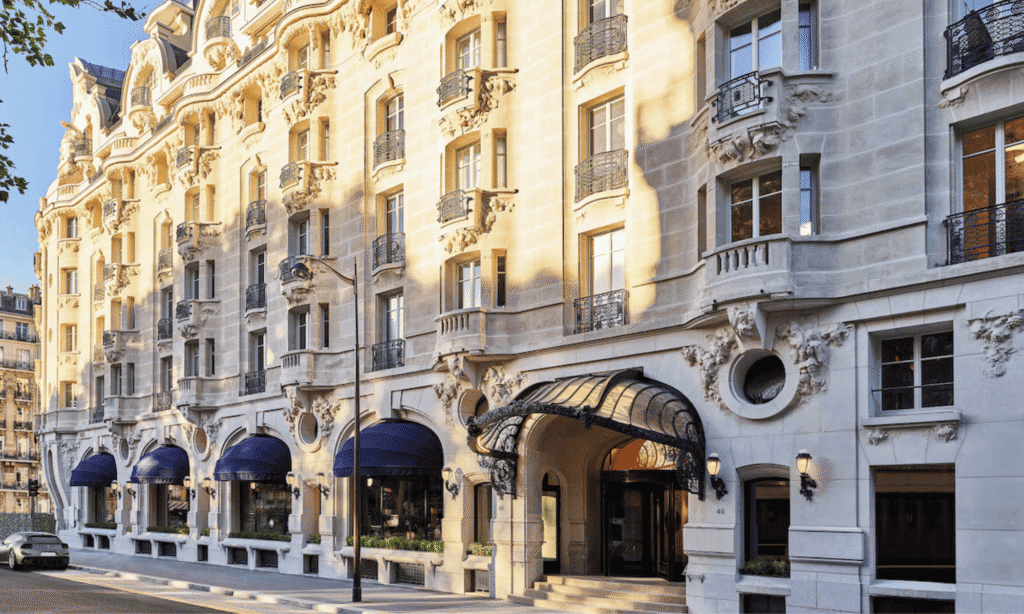
Hôtel Lutetia is a landmark of the Left Bank and one of the most storied luxury hotels in Paris. Its architecture combines Art Nouveau and Art Deco influences, while its location places guests close to Le Bon Marché and Saint-Germain-des-Prés.
The rooms and suites pair light-filled contemporary design with references to the hotel’s heritage. Some accommodations also offer balconies and views toward the Eiffel Tower.
Guests can dine at Brasserie Lutetia, enjoy live music and drinks at Bar Joséphine, or unwind at the extensive Akasha spa. As a result, the hotel works well for travellers who want culture, shopping, dining, and wellness in one address. Discover Hôtel Lutetia.
Le Grand Mazarin
Le Grand Mazarin brings playful luxury to the heart of the Marais. Designer Martin Brudnizki blends French classicism with rich colours, patterns, crafted details, and a distinctly artistic spirit.
Despite its lively central location, the rooms and suites provide a comfortable retreat from the surrounding streets. The hotel also features Boubalé, a bar, and a beautifully decorated indoor swimming pool.
Le Grand Mazarin is ideal for guests who want to explore Marais galleries, boutiques, nightlife, and historic landmarks on foot. Discover Le Grand Mazarin.
Cheval Blanc Paris
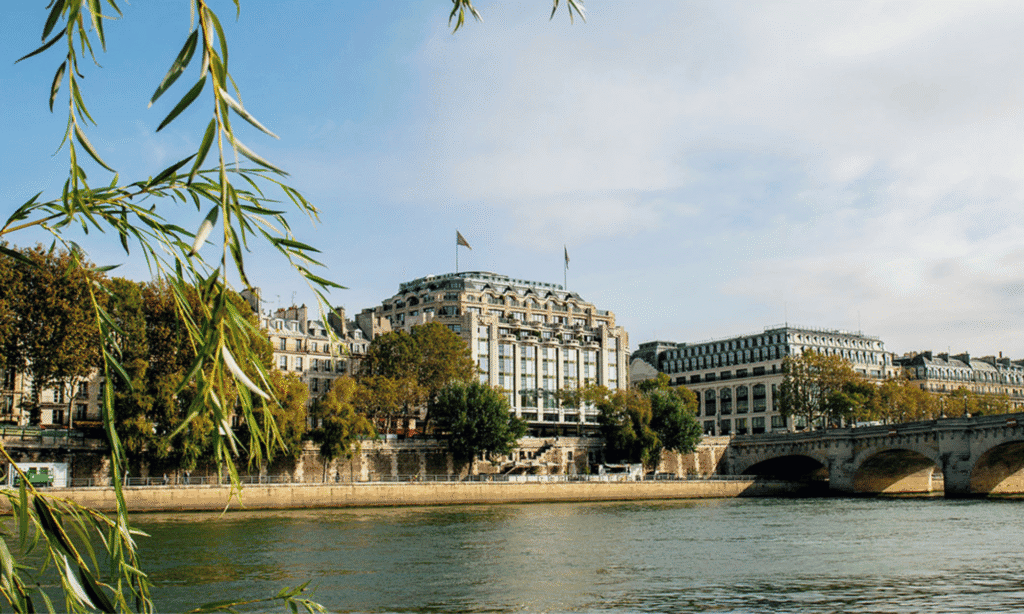
Cheval Blanc Paris occupies an exceptional location beside the Seine and the Samaritaine department store. Its contemporary interiors celebrate French craftsmanship while framing views of the river and city.
The hotel offers spacious rooms and suites, highly personalized service, and several notable dining experiences. These include Plénitude, Le Tout-Paris, Langosteria, and Limbar.
Dior Spa Cheval Blanc Paris adds another layer of indulgence through tailored treatments and elegant wellness facilities. Overall, the hotel suits guests seeking privacy, design, gastronomy, and a central riverside setting. Explore Cheval Blanc Paris.
Luxury Vacation Rentals in Paris with Vrbo
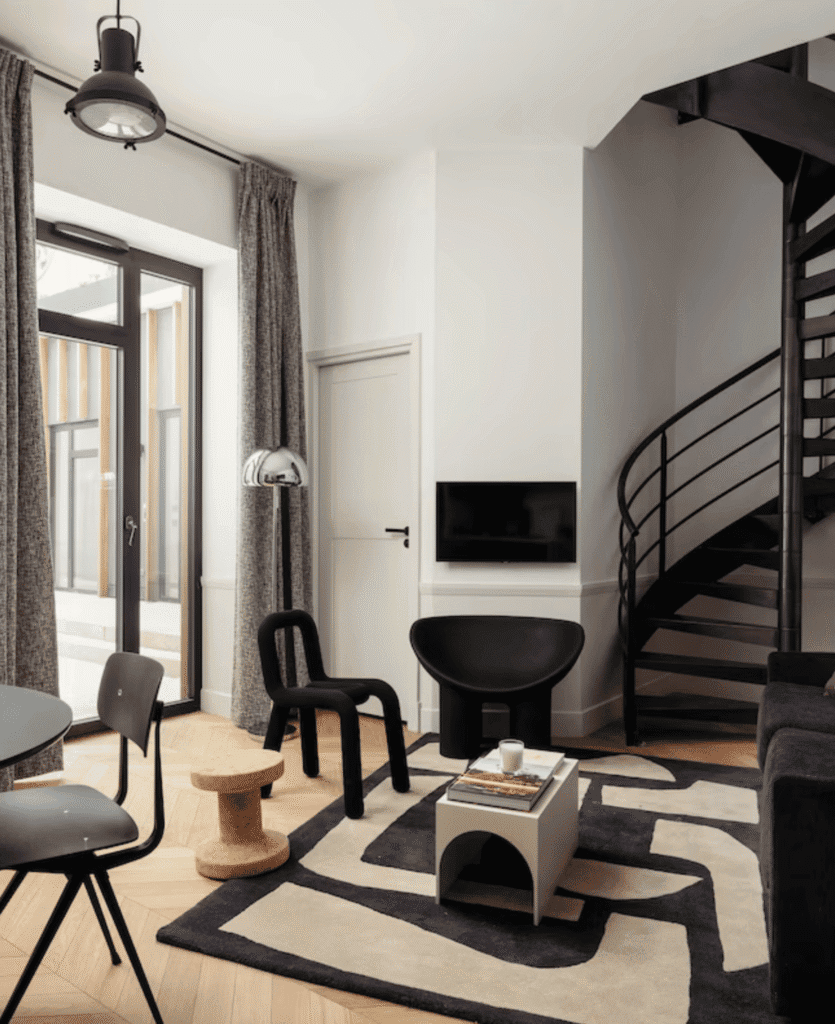
Travellers who want more space can also explore luxury Paris accommodations through Vrbo. Private apartments and residences may offer several bedrooms, full kitchens, living areas, balconies, and laundry facilities.
A vacation rental can be especially practical for families or groups travelling together. In addition, an apartment provides the freedom to shop at local markets, prepare breakfast, and experience a Paris neighbourhood at a more personal pace.
Consider properties in the 1st arrondissement for museum access, the 4th for the Marais, the 6th for Saint-Germain, or the 7th for Eiffel Tower views. However, always review recent guest feedback, cancellation terms, building access, and the property’s official registration information before booking.
Planning Your Visit to Look: 40 Years of Fashion
The exhibition takes place at the Musée des Arts Décoratifs in Paris’s 1st arrondissement. The museum sits on rue de Rivoli, beside the Louvre and close to the Tuileries Garden.
Exhibition dates: September 30, 2026, to April 4, 2027
Location: Musée des Arts Décoratifs, 107 rue de Rivoli, Paris
Allow at least 90 minutes to explore the exhibition. However, fashion enthusiasts may want two hours to study the archival objects, photographs, and construction details.
Advance booking is recommended, especially during Paris Fashion Week, school holidays, and weekends. In addition, confirm current opening hours before visiting because museum schedules may change.
After the exhibition, walk through the Tuileries Garden or explore the boutiques around rue Saint-Honoré. Both are only a short distance away.
Top Things to Do and See in Paris
A visit to this Paris fashion exhibition can become the centrepiece of a broader cultural escape. Paris rewards a slower itinerary, so combine its famous landmarks with time for neighbourhood walks and café stops.
The Louvre Museum
The Louvre holds one of the world’s most important art collections. Beyond the Mona Lisa, visitors can explore ancient sculpture, decorative arts, Renaissance masterpieces, and the grand apartments of Napoleon III.
The Eiffel Tower
Visit the Eiffel Tower for sweeping views across Paris. Alternatively, admire it from the Trocadéro, Champ de Mars, or a Seine river cruise. After dark, its illuminated silhouette becomes one of the city’s most memorable sights.
Notre-Dame Cathedral and Île de la Cité
Explore the restored Notre-Dame Cathedral and then walk through Île de la Cité. Nearby highlights include Sainte-Chapelle, known for its magnificent stained glass, and the historic Conciergerie.
Montmartre and Sacré-Cœur
Climb the winding streets of Montmartre to reach Sacré-Cœur. Although the main square can become busy, the surrounding lanes still reveal quiet gardens, small museums, artists’ studios, and classic Parisian views.
The Seine and Its Historic Bridges
A walk along the Seine connects many essential landmarks. Start near the Louvre, cross the Pont des Arts, and continue toward Saint-Germain-des-Prés. A sunset river cruise offers another beautiful perspective.
The Palais Garnier
The Palais Garnier remains one of Paris’s most opulent buildings. Its grand staircase, painted ceilings, gilded decoration, and theatre history make it an essential stop for architecture and design lovers.
Le Marais
Le Marais blends medieval streets with galleries, boutiques, restaurants, and historic mansions. Visit Place des Vosges, explore the Jewish Quarter, and leave time for independent fashion and design stores.
The Gardens of Paris
The Tuileries Garden and Luxembourg Gardens offer elegant places to pause. Meanwhile, the gardens of the Palais-Royal provide a quieter retreat close to the Louvre and Musée des Arts Décoratifs.
The Best Museums and Art Galleries in Paris
Paris offers enough museums to fill several trips. Therefore, choose a few institutions that suit your interests instead of trying to see everything at once.
Musée d’Orsay
Set inside a former railway station, the Musée d’Orsay presents exceptional Impressionist and Post-Impressionist art. Its collection includes works by Monet, Degas, Renoir, Van Gogh, and Cézanne.
Musée de l’Orangerie
The Musée de l’Orangerie is best known for Monet’s monumental Water Lilies. Its intimate scale makes it easy to combine with the Tuileries Garden and Musée des Arts Décoratifs.
Fondation Louis Vuitton
Designed by Frank Gehry, the Fondation Louis Vuitton presents major exhibitions and contemporary art in the Bois de Boulogne. The building itself is a striking architectural experience.
Bourse de Commerce–Pinault Collection
The restored Bourse de Commerce pairs contemporary art with dramatic architecture. Its circular exhibition spaces create an engaging setting for installations, sculpture, film, and painting.
Palais de Tokyo
Palais de Tokyo is known for ambitious contemporary exhibitions and experimental installations. Moreover, its late opening hours can make it a useful addition to an evening itinerary.
Musée Yves Saint Laurent Paris
Fashion lovers can continue their journey at the former couture house of Yves Saint Laurent. Exhibitions explore the designer’s creative process, archival pieces, sketches, and lasting influence.
Musée Picasso Paris
Located in a grand Marais mansion, the Musée Picasso holds paintings, sculptures, drawings, and personal archives. The collection follows the many changes in Picasso’s artistic language.
Leading Paris Art Galleries
For contemporary art, explore Perrotin in the Marais, Thaddaeus Ropac in the Marais and Pantin, and Almine Rech. In addition, the galleries around rue de Turenne and Saint-Germain-des-Prés reward an unhurried afternoon.
Top Restaurants in Paris
Paris offers everything from historic dining rooms to inventive contemporary kitchens. Reservations are essential for the most sought-after restaurants.
Plénitude
Located at Cheval Blanc Paris, Plénitude presents an ambitious fine-dining experience led by chef Arnaud Donckele. Sauces play a central role, while the service and presentation match the restaurant’s refined setting.
Arpège
Chef Alain Passard’s Arpège is celebrated for its imaginative treatment of vegetables. The restaurant combines technical precision with ingredients sourced from the chef’s own gardens.
Le Clarence
Set inside an elegant 19th-century mansion, Le Clarence offers creative French cuisine in richly decorated surroundings. It is an excellent choice for a formal and deeply Parisian evening.
Septime
Septime takes a more relaxed approach to modern Paris dining. Its seasonal tasting menus highlight carefully sourced ingredients, subtle flavours, and clean presentation.
Girafe
Girafe combines seafood-focused dining with Art Deco-inspired interiors and dramatic Eiffel Tower views. The terrace is especially desirable during warmer months.
Benoit
For classic Parisian atmosphere, consider Benoit. The historic bistro serves traditional French dishes in a warm room filled with mirrors, woodwork, and vintage detail.
The Best Bars and Nightclubs in Paris
Paris nightlife ranges from discreet hotel bars to energetic clubs. However, dress codes and door policies vary, so confirm requirements before arriving.
Bar Hemingway
Located inside the Ritz Paris, Bar Hemingway offers an intimate setting, polished cocktails, and a strong sense of literary history. Seating is limited, so expect a wait during peak hours.
Little Red Door
This acclaimed Marais cocktail bar uses inventive themes and carefully developed ingredients. Its understated entrance contrasts with the creativity of the drinks inside.
Harry’s New York Bar
Harry’s is a historic destination associated with classic cocktails and generations of international visitors. It offers a lively yet traditional bar experience near the Opéra.
Le Tout-Paris
At Cheval Blanc Paris, Le Tout-Paris combines cocktails, dining, and far-reaching city views. Its energetic atmosphere works well for an aperitif or a late evening drink.
Silencio
Designed as a creative members’ club and cultural venue, Silencio combines music, screenings, performances, and nightlife. Public access varies by evening, so review the programme in advance.
Raspoutine
Close to the Champs-Élysées, Raspoutine is known for its dramatic red interiors, electronic music, and fashionable crowd. A polished evening look is strongly recommended.
Pachamama
Pachamama fills a historic building near Bastille with colourful interiors, dining, cocktails, and dancing. It offers several floors and a more energetic atmosphere.
The Best Shopping in Paris
A trip built around a Paris fashion exhibition would not be complete without exploring the city’s exceptional retail scene.
Rue Saint-Honoré
Rue Saint-Honoré brings together established luxury houses, influential concept stores, jewellers, and beauty boutiques. It is also conveniently close to the Musée des Arts Décoratifs.
Avenue Montaigne
Avenue Montaigne represents the grand tradition of Paris couture. Here, visitors will find leading French and international fashion houses within the Golden Triangle.
Le Bon Marché
On the Left Bank, Le Bon Marché combines designer fashion, beauty, accessories, home décor, and fine food. Its spacious presentation creates a refined alternative to the city’s busier department stores.
Galeries Lafayette and Printemps
These landmark department stores offer fashion, accessories, cosmetics, gourmet food, and rooftop views. Both are located close to the Palais Garnier.
The Marais
The Marais is ideal for discovering independent labels, vintage fashion, fragrance stores, and contemporary design. Rue Vieille du Temple and the surrounding streets are especially rewarding.
Palais-Royal
The arcades surrounding the Palais-Royal feature fashion boutiques, fragrance houses, galleries, and specialist shops. The setting feels calm and elegant, despite its central location.
Saint-Germain-des-Prés
Saint-Germain combines fashion, books, antiques, interiors, and art galleries. Its mix of heritage names and smaller boutiques makes it ideal for relaxed browsing.
Essential Paris Travel Tips
A little preparation will make a Paris trip smoother and more enjoyable.
- Reserve major attractions early. Book popular exhibitions, museums, restaurants, and observation experiences before your arrival.
- Confirm museum closing days. Many museums close on either Monday or Tuesday, while schedules can change during holidays.
- Use public transportation. The Métro is often faster than driving. However, walking remains the best way to appreciate individual neighbourhoods.
- Choose accommodations by neighbourhood. A central location can reduce travel time and allow more spontaneous exploration.
- Wear comfortable shoes. Historic streets, large museums, and long boulevards involve more walking than many visitors expect.
- Keep valuables secure. Use a closed bag and remain aware in crowded stations, around landmarks, and on busy trains.
- Learn a few French phrases. A simple “bonjour,” “s’il vous plaît,” and “merci” can make everyday interactions warmer.
- Check restaurant schedules. Some restaurants close between lunch and dinner or remain closed on specific days.
- Allow time between activities. Paris is more enjoyable when every hour is not scheduled.
- Pack for changing weather. Autumn and early spring can bring cool temperatures, rain, and occasional sunshine on the same day.
- Validate current entry requirements. Canadian travellers should confirm passport and European travel authorization requirements before departure.
- Carry a backup payment method. Cards are widely accepted, although a small amount of cash can still be useful.
A Fashion and Cultural Escape to Paris
Look: 40 Years of Fashion at the Museum offers a rare view into the complete life of fashion. It begins with sketches, fabrics, patterns, and the work of skilled artisans. Next, it enters the public imagination through runway shows, models, and photography. Finally, it reaches the museum, where specialists preserve it as cultural heritage.
This Paris fashion exhibition also reminds visitors that every extraordinary garment contains many stories. Some belong to the designer, while others belong to the artisans, models, photographers, conservators, and audiences who give the work meaning.
For fashion lovers, the exhibition is a compelling reason to visit Paris between September 2026 and April 2027. Moreover, the city’s museums, luxury hotels, celebrated restaurants, nightlife, and exceptional shopping can turn that visit into a complete cultural journey.
In a city where fashion and art constantly meet, Look: 40 Years of Fashion at the Museum promises to reveal not only what we wear, but also why exceptional fashion deserves to endure.
Related Resources
- The Ultimate New York Theater Trip Guide
- Sir Elton John: A Dazzling Life in Music
- Weekend in Italy: Discover an Unforgettable Italy
- The Top 5 Must-See Art Exhibitions Around the Globe
- Explore the Guggenheim Pop Exhibition NYC
Métier Men’s Bags: Discover the Beautiful Fall Drop
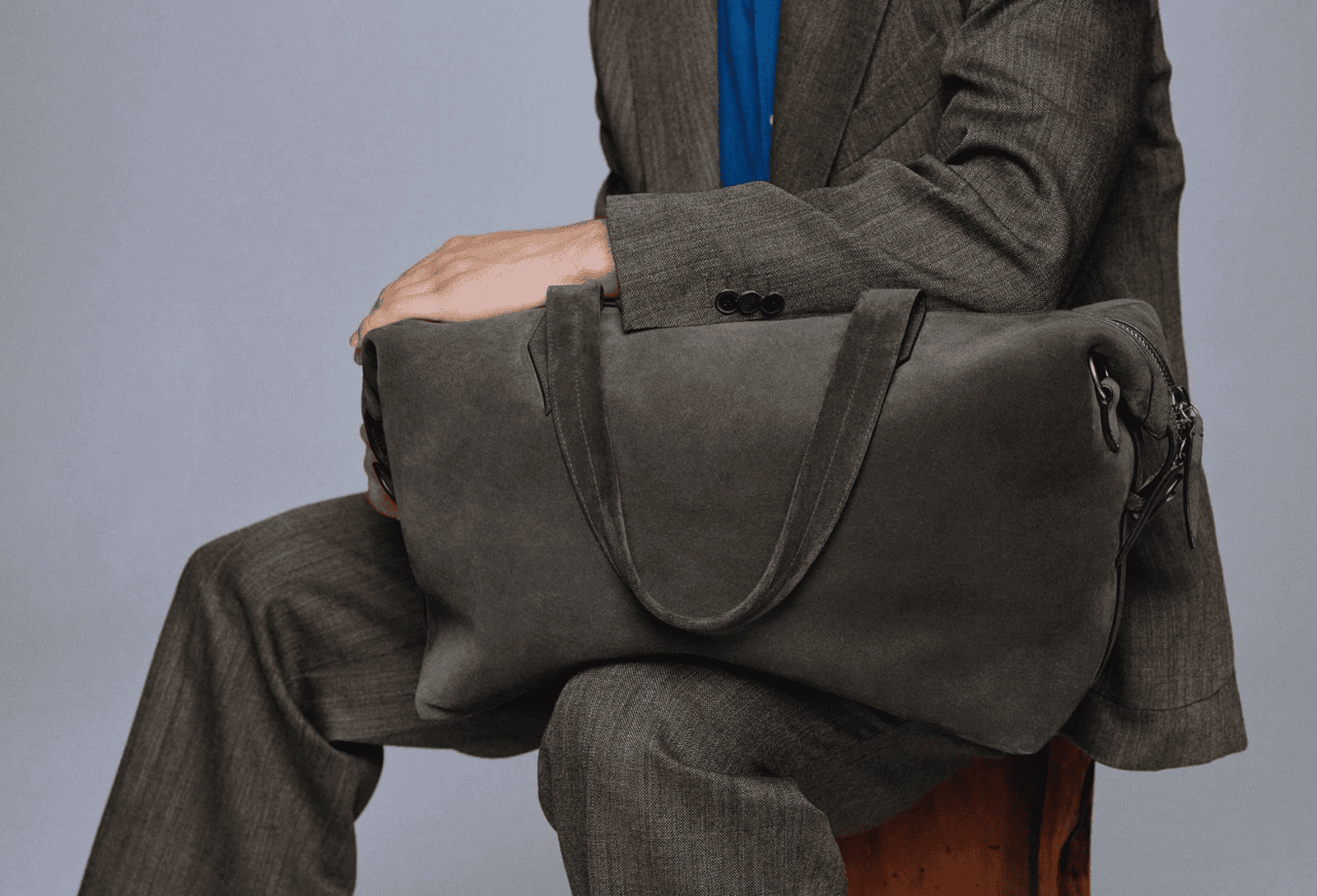
The best fall accessories bring both style and purpose to a busy day. Métier men’s bags capture that balance[…]
Canada Goose Fall/Winter 2026 Collection: Move With the Season
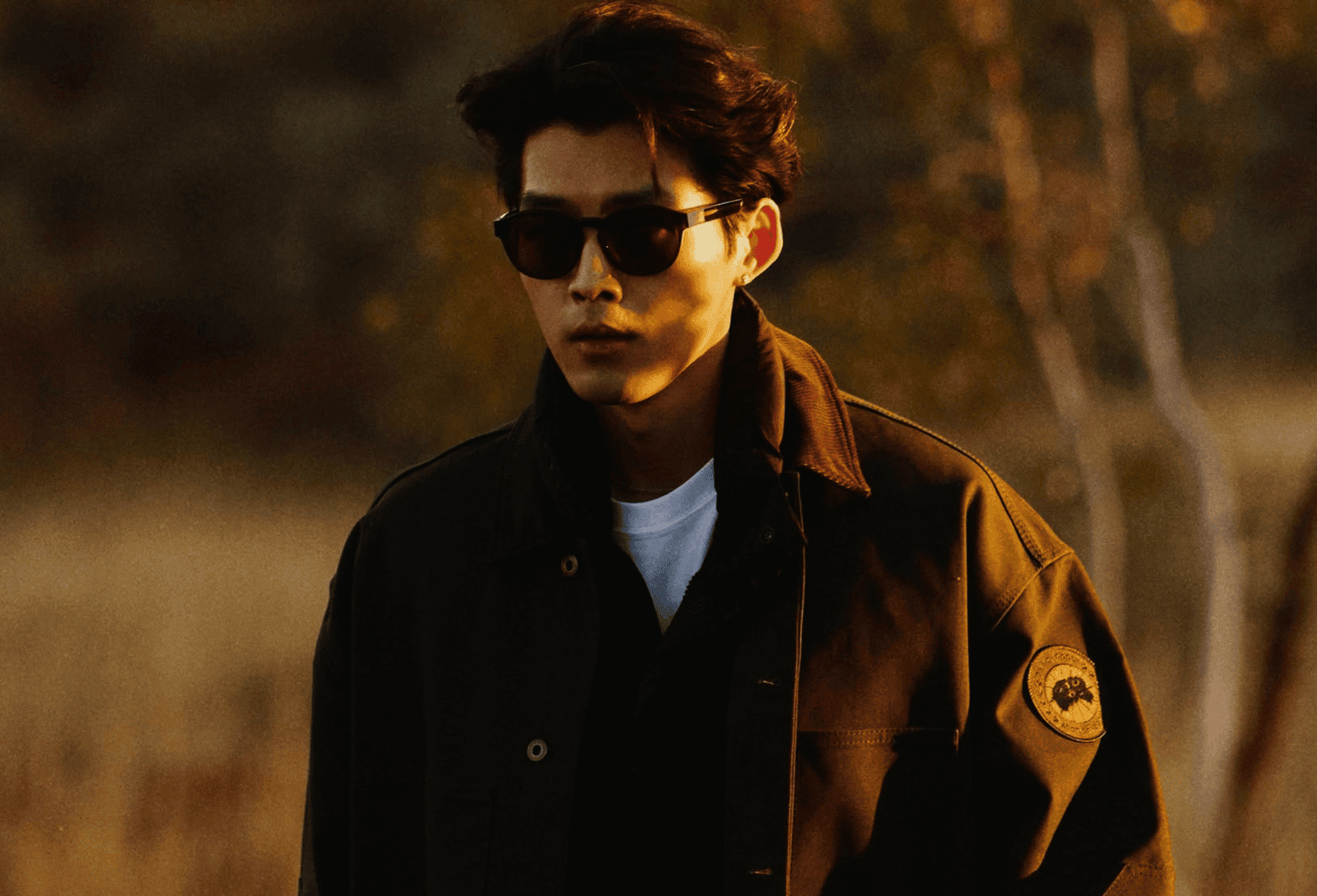
The Canada Goose Fall/Winter 2026 collection is built for days that refuse to follow one forecast. A cool morning[…]
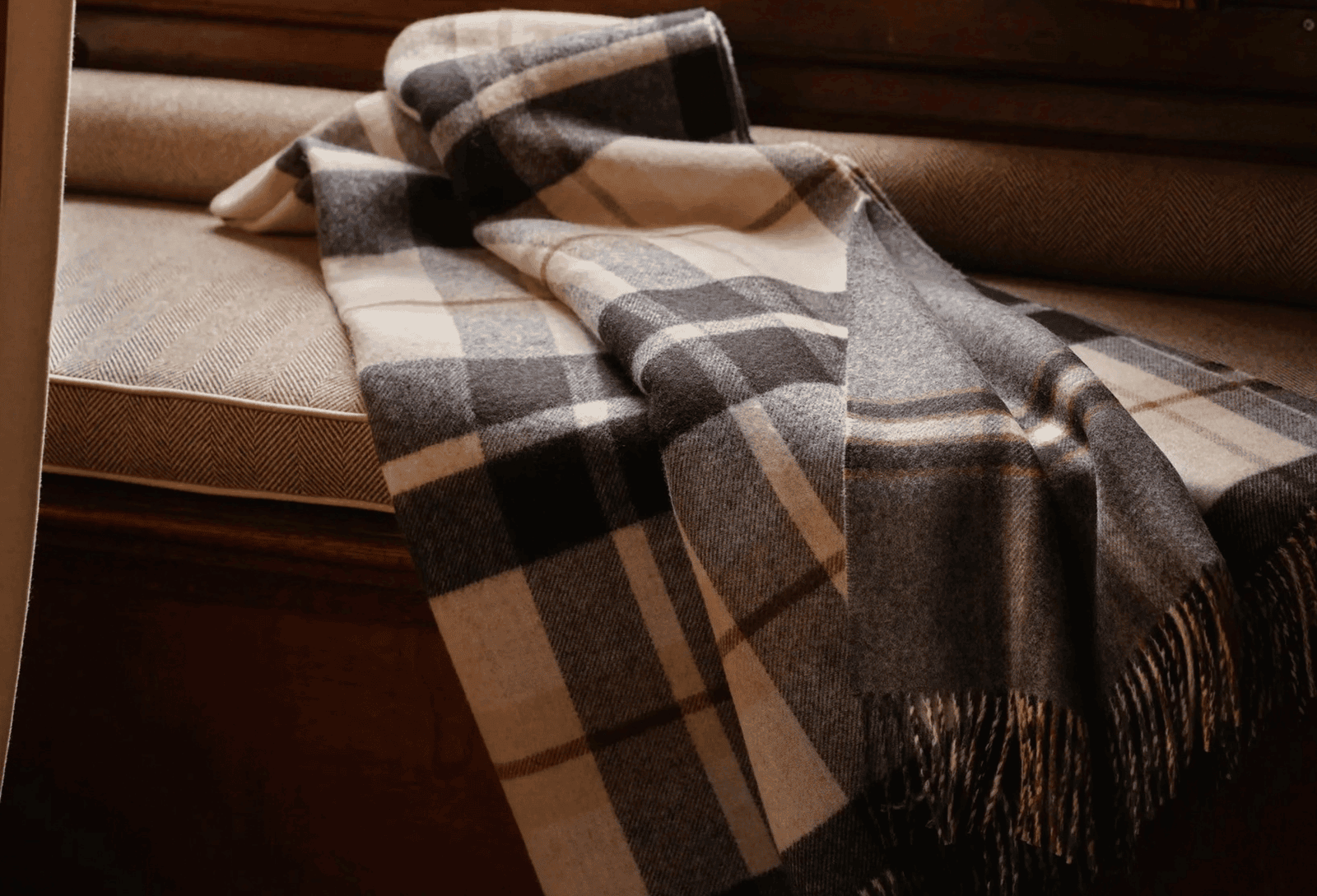
Luxury Blankets and Throws to Cozy Up With This Fall
As the air turns crisp and daylight begins to fade earlier, home naturally becomes a place of comfort. Soft[…]
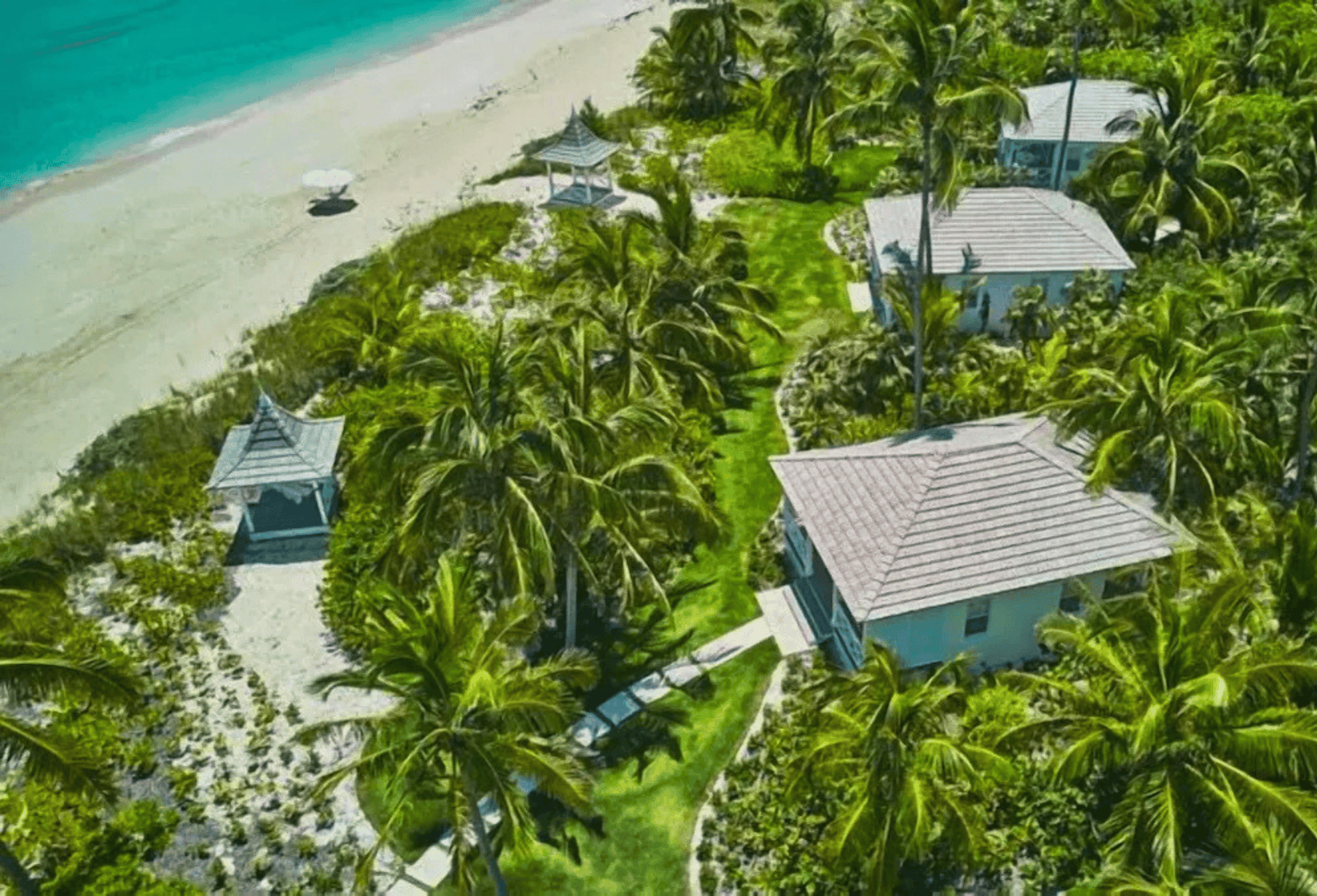
The Top 10 Luxury Hotels in the Bahamas
The best luxury hotels in the Bahamas are also wonderfully diverse. Nassau and Paradise Island deliver polished resorts, celebrated[…]
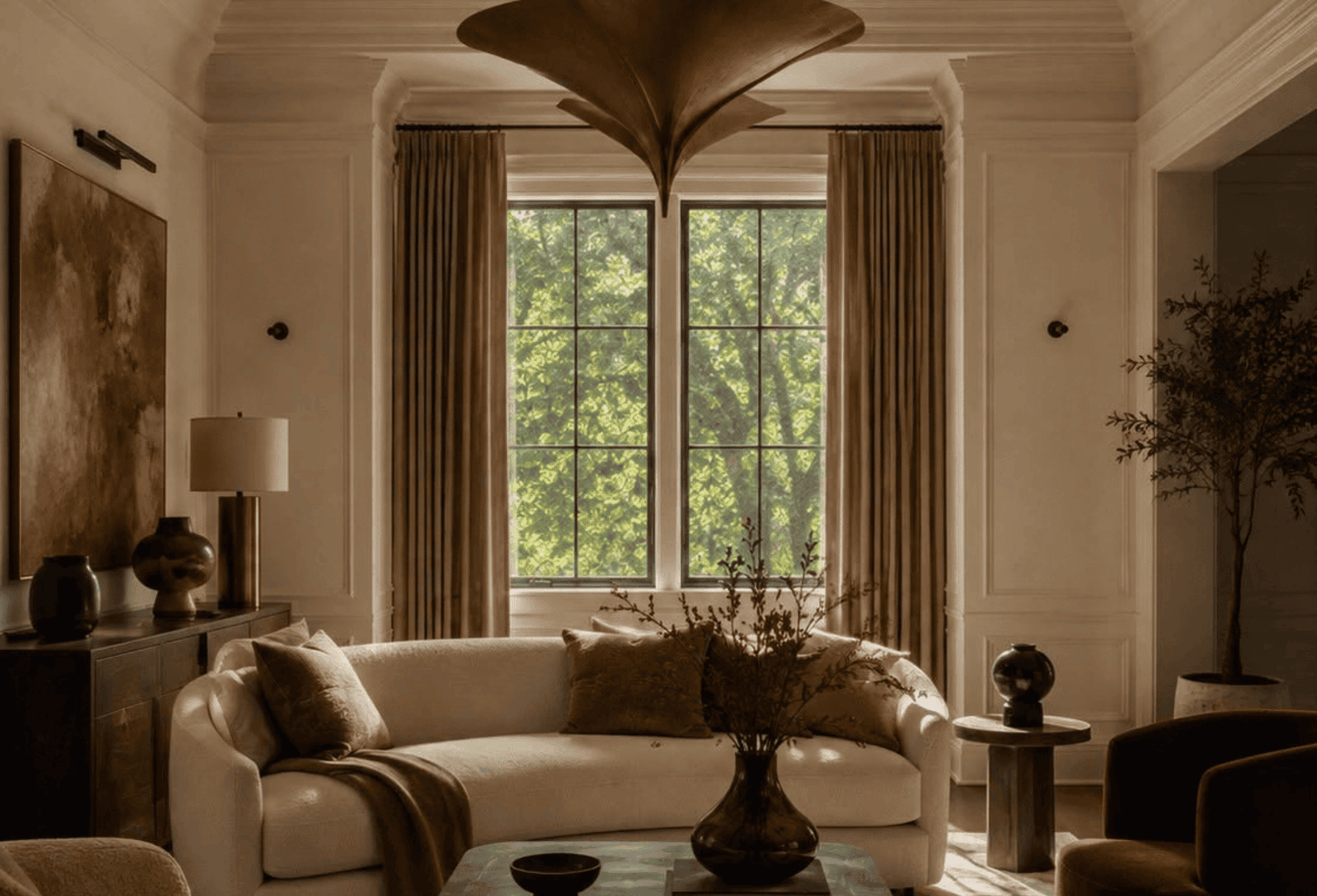
Beautiful Custom Curtains and Drapes from TWOPAGES
TWOPAGES offers options for living rooms, bedrooms, dining rooms, nurseries, home offices, home theatres, and other spaces. Its collection[…]
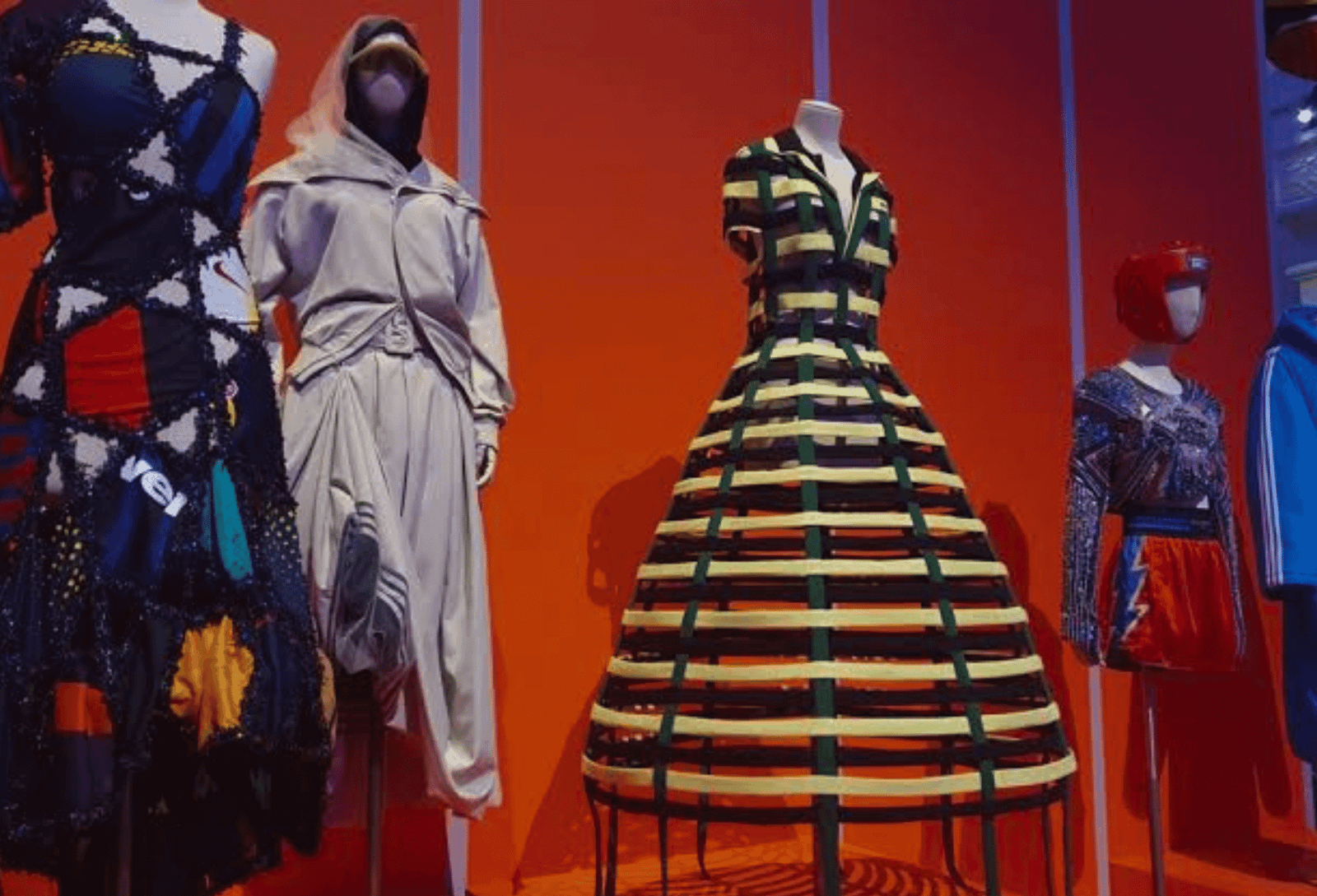
Paris Fashion Exhibition Celebrates a Dazzling Legacy
Paris has always treated fashion as more than clothing. In the French capital, fashion becomes craftsmanship, performance, cultural history,[…]