
Affiliate Disclosure: Some links on this page are affiliate links. If you purchase an item through one of our affiliate links, LXURI may earn a commission at no additional cost to you. Our partnerships may influence which products or brands we feature, but they do not determine our editorial opinions or recommendations.
Introduction: Ultimate Dining Room Interior Design Tips
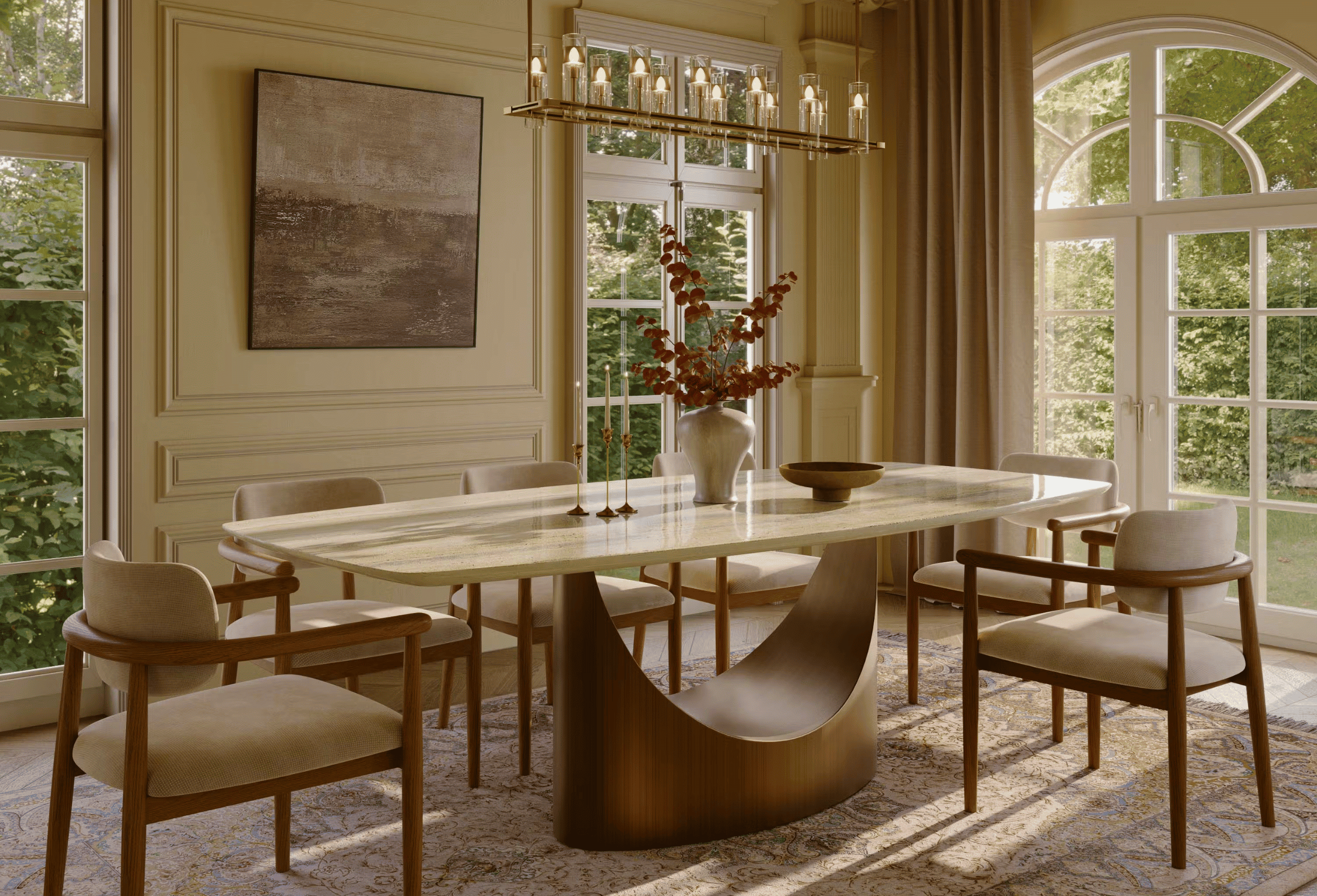
Designing a beautiful dining space starts with intention. Dining room interior design tips are not just about aesthetics; they shape how you gather, celebrate, and connect. Whether you host formal dinner parties or enjoy casual family meals, your dining room should balance function and atmosphere.
A well-designed dining room feels welcoming from the moment you step inside. It flows naturally, supports conversation, and reflects your personal style. Therefore, thoughtful planning is essential. From layout to lighting, every detail matters. Explore The Home Collection at LXURI.
This comprehensive guide explores the top dining room interior design tips to help you create a space that feels cohesive, elegant, and practical. Dive into our blog, Ultimate Dining Room Interior Design Tips, to learn more.
Table Selection: Round, Square, or Rectangle
Choosing the right table shape dramatically impacts your dining room interior design.
Round Dining Tables
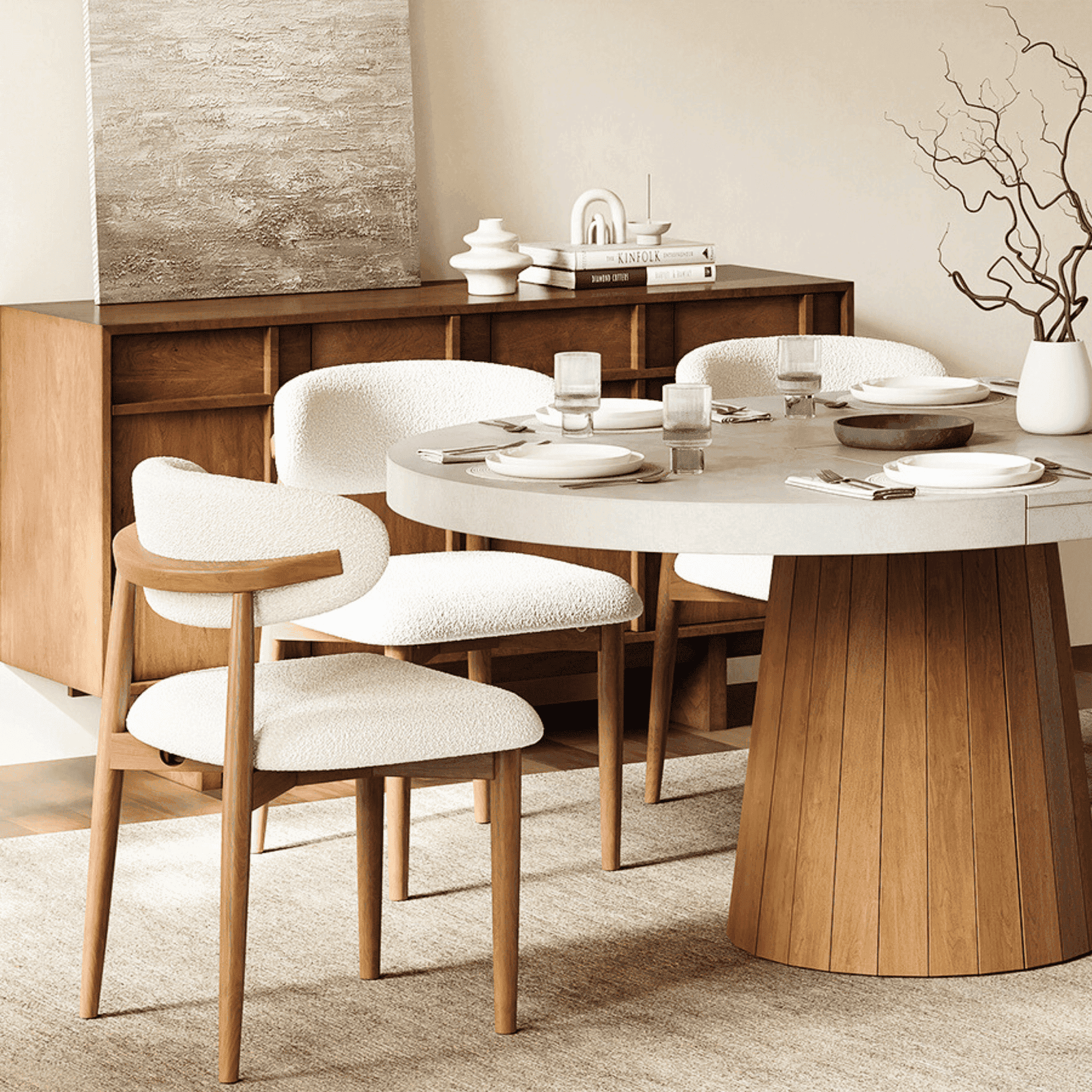
Round tables promote intimacy and conversation. Because there are no sharp corners, they work beautifully in smaller rooms or square layouts.
They also soften spaces filled with straight architectural lines. Therefore, if your room feels rigid, a round table introduces fluidity.
Best for:
- Small dining rooms
- Square spaces
- Casual gatherings
Square Dining Tables
Square tables create symmetry. However, they require balanced proportions. In larger rooms, a square table may feel disconnected unless paired with bold lighting above.
Additionally, square tables are ideal for seating four. They create equal distance between guests, which fosters balanced conversation.
Rectangular Dining Tables
Rectangular tables remain the most popular choice. They suit long rooms and accommodate larger gatherings. Moreover, they provide flexibility in seating arrangements.
If your dining room is narrow, a rectangular table aligns naturally with the architecture.
When selecting materials, consider:
- Solid wood for warmth
- Marble for sophistication
- Glass for lightness
- Metal accents for modern appeal
Ultimately, your dining table becomes the focal point. Choose one that reflects both lifestyle and design vision.
Shop Dining Tables:

Color, Wall Treatments, and Rug Placement
Color influences mood instantly. Therefore, choosing the right palette is essential in dining room interior design.
Color Strategy
Warm tones such as deep navy, forest green, or charcoal create intimacy. Meanwhile, lighter hues like soft beige or warm white expand the space visually.
If you crave drama, consider a moody accent wall. Dark paint behind a sideboard adds depth. Alternatively, wallpaper introduces pattern and texture.
Transition your palette thoughtfully:
- Neutral walls with bold artwork
- Rich walls with minimalist décor
- Tonal layering for cohesive elegance
Wall Treatments
In addition to paint, wall treatments elevate the dining room.
Consider:
- Wainscoting for traditional charm
- Panel molding for architectural interest
- Textured wallpaper for depth
- Limewash for organic softness
These treatments add dimension without clutter.
Rug Placement
A rug grounds the dining area. However, size matters.
Ensure the rug extends at least 24 inches beyond the table edge. This allows chairs to slide comfortably without catching the edge.
Choose low-pile rugs for easy maintenance. Meanwhile, patterned rugs conceal spills effectively.
Shop Rugs:
Lighting and Ambiance
Lighting transforms the atmosphere instantly. Therefore, it deserves careful consideration.
Statement Chandeliers
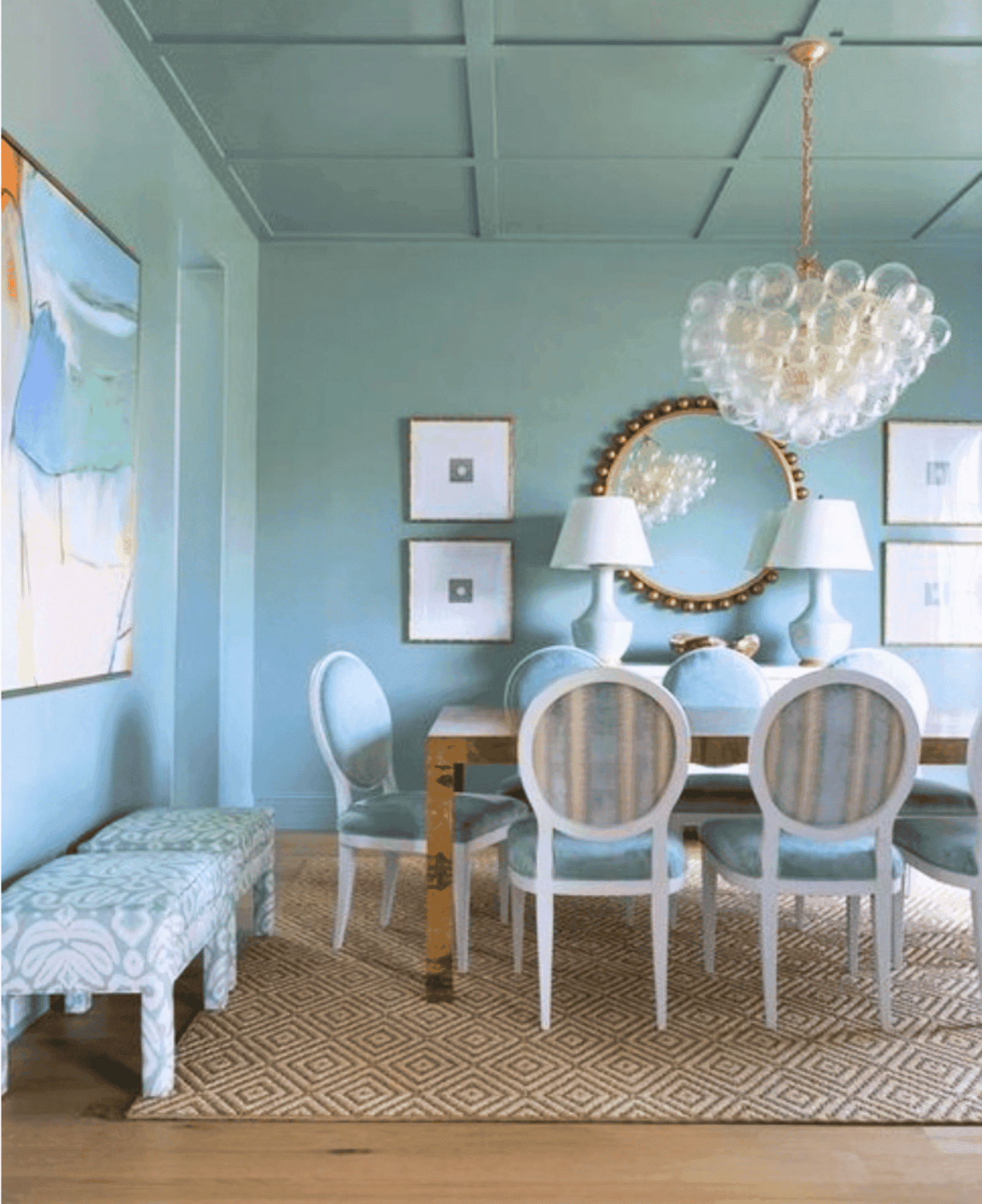
A chandelier centered above the table creates visual drama. As a rule, the fixture should measure about half to two-thirds the width of the table.
For round tables, select round fixtures. For rectangular tables, linear pendants work beautifully.
Layered Lighting
Relying on one light source limits flexibility. Instead, layer lighting:
- Overhead chandelier
- Wall sconces for ambiance
- Buffet lamps on a sideboard
- Dimmable switches for mood control
Consequently, your dining room adapts from bright brunches to candlelit dinners effortlessly.
Warm Light Temperature
Choose warm white bulbs between 2700K and 3000K. Cooler light feels harsh and clinical. Warm light enhances skin tones and food presentation.
Lighting should feel inviting, not overpowering.
Drapery and Window Coverings
Windows frame the dining experience. Therefore, window treatments must balance beauty and function.
Full-Length Drapery
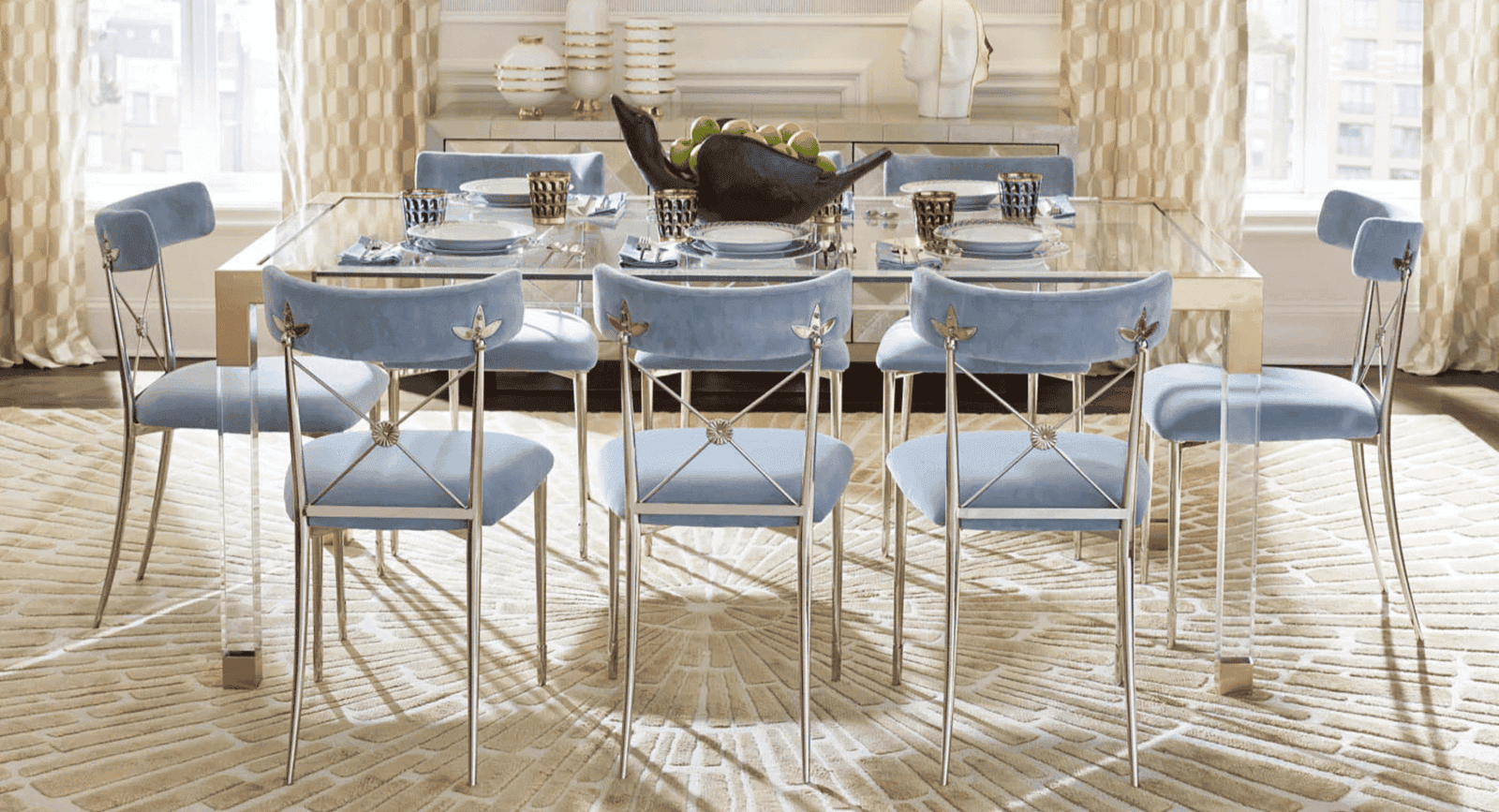
Floor-to-ceiling curtains add height instantly. Even if windows are small, extending rods higher creates an illusion of grandeur.
Select fabrics thoughtfully:
- Linen for relaxed elegance
- Velvet for drama
- Sheers for softness
Layered Window Treatments
Combine sheer panels with heavier drapes. This allows light control while maintaining privacy.
Alternatively, roman shades offer clean lines in modern interiors.
Meanwhile, ensure curtain rods extend beyond window frames. This maximizes light when curtains are open.
Dining Room Furniture: Tables, Chairs, Sideboards, and Storage
Furniture shapes both comfort and aesthetics.
Dining Chairs
Comfort is crucial. Therefore, test chair height relative to the table. Standard seat height is around 18 inches.
Shop Chairs:
Consider mixing textures:
- Upholstered chairs at the heads of the table
- Wooden or leather chairs along the sides
In addition, curved chair backs enhance comfort during long dinners.
Sideboards and Storage
A sideboard anchors one wall visually. It also provides practical storage for linens, serving ware, and glassware.
Shop Sideboards & Storage:
Choose pieces with:
- Clean lines for modern spaces
- Ornate detailing for traditional rooms
- Integrated lighting for display cabinets
Moreover, a sideboard doubles as a styling surface for lamps, art, and floral arrangements.
Built-In Storage
If space allows, built-in cabinetry elevates functionality. Glass-front cabinets display fine china elegantly. Meanwhile, concealed drawers maintain a clean look.
Furniture should complement the room without overwhelming it.
Décor: Finishing Touches That Elevate the Space
Décor personalizes your dining room. However, restraint ensures sophistication. Shop Dining Room Décor at Mytheresa.
Artwork and Mirrors
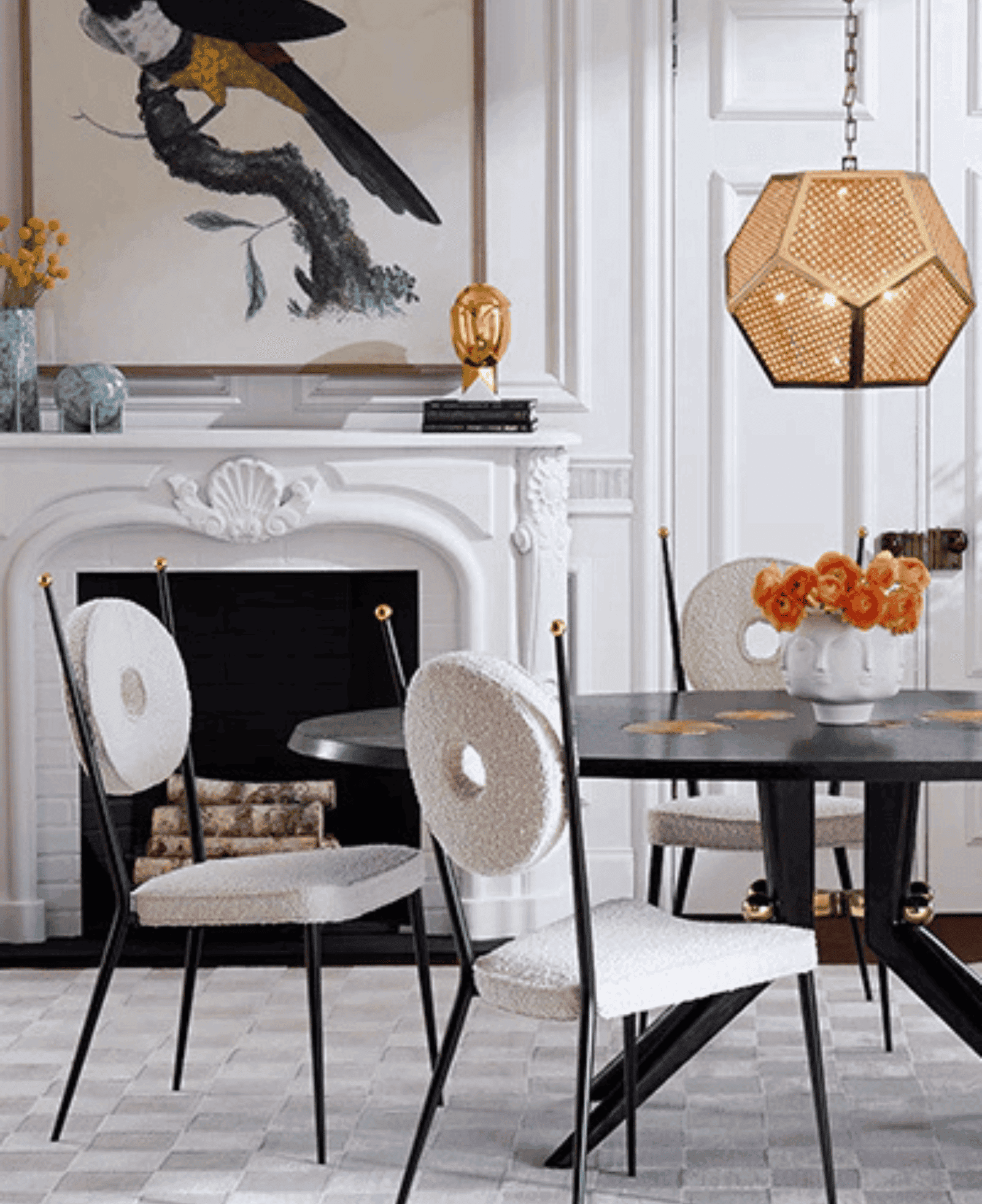
Large-scale artwork adds impact. Choose pieces that reflect the room’s color story.
Alternatively, mirrors amplify light. They also create depth in smaller spaces.
Centerpieces
Keep centerpieces proportional. Low floral arrangements encourage conversation. Meanwhile, sculptural bowls add contemporary flair.
Seasonal styling keeps the space fresh:
- Fresh greenery in spring
- Textured branches in winter
- Candles for year-round ambiance
Table Styling
Layering enhances elegance:
- Charger plates
- Linen napkins
- Polished flatware
- Coordinated glassware
Even when not hosting, a styled table adds visual interest.
Greenery and Natural Elements
Plants soften structured spaces. For example, a tall fiddle leaf fig adds height in corners.
Natural materials such as wood, stone, and woven textures introduce warmth. Therefore, combine materials thoughtfully.
Bringing It All Together
Successful dining room interior design tips focus on harmony. Every element should feel intentional. Layout supports movement. Tables suit the space. Colors set the tone. Lighting creates ambiance. Furniture ensures comfort. Décor adds personality.
However, balance remains key. Avoid overcrowding. Instead, edit carefully. Select pieces that complement each other rather than compete.
Above all, design your dining room around how you live. If you entertain often, prioritize seating and flow. If the room serves everyday meals, emphasize comfort and durability.
Ultimately, a thoughtfully designed dining room becomes more than a space to eat. It becomes a setting for memories, celebrations, and meaningful conversations.
By applying these dining room interior design tips, you can transform any space into a refined, welcoming environment that feels both beautiful and functional.
Design with intention. Layer with care. And create a dining room that truly reflects your lifestyle.
Explore More with LXURI
- Create Ambiance at Home with Designer Candles
- Entryway Design Tips to Transform Your Home’s First Impression
- Investing in Jonathan Adler Pottery: Sculptural Statements for the Curated Home
- Jonathan Adler Furniture for a Luxe and Livable Living Room
- Get Organized in Style With Jonathan Adler

Lunburg Opus Collection: An Exceptional Briefcase
The Lunburg Opus Collection approaches the leather briefcase as a lasting personal object rather than a seasonal accessory. Each[…]

Coworth Park Hotel: An Exceptional Country Escape
Coworth Park hotel brings the polished hospitality of Dorchester Collection to the English countryside. Set near Ascot in Berkshire,[…]
POVISON Dining Room Furniture: A Stylish Guide
POVISON dining room furniture brings together expressive design, functional details, and a wide range of distinctive styles. From minimalist[…]

DSQUARED2 Luxury Jeans: Iconic Fits and Bold Style
Few wardrobe essentials carry as much attitude as a great pair of jeans. DSQUARED2 luxury jeans transform classic denim[…]

Sir Elton John: A Dazzling Life in Music
Few artists have shaped popular music with as much colour, emotion and theatrical flair as Sir Elton John. For[…]
Luxury Travel Booking: Discover a Better Escape with TravelUp
As an LXURI travel partner, TravelUp helps travellers search for flights, hotels and complete holiday packages around the world.[…]